
Sudan Airstrike Kills UN Aid Driver, Threatening Critical Supply Corridors
The death of a UN aid driver in a Sudanese airstrike threatens essential humanitarian supply lines and deepens regional economic instability.
Geopolitical & Core Developments
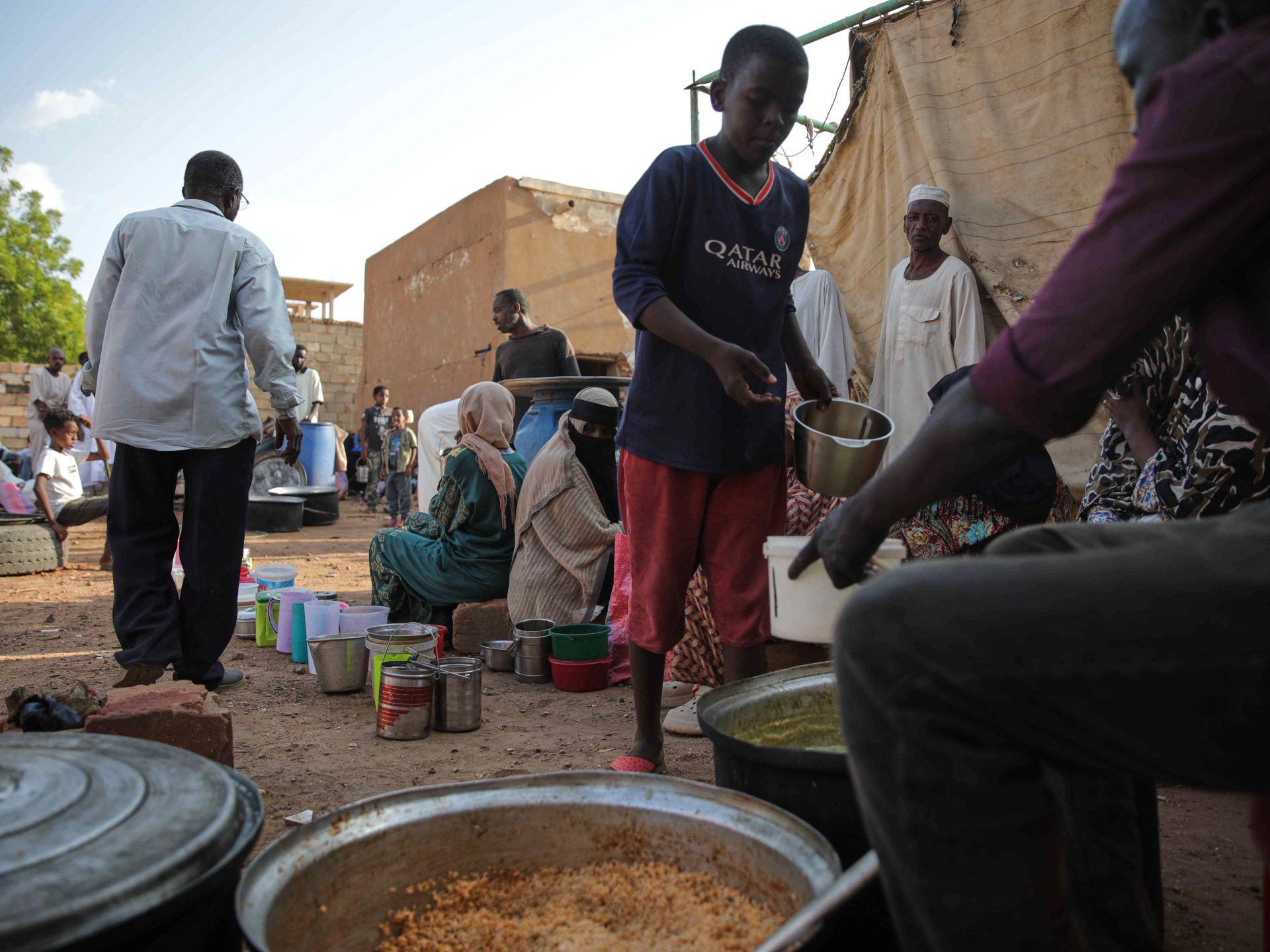
The protracted conflict in Sudan has escalated further following a devastating airstrike that resulted in the death of a United Nations World Food Programme (WFP) truck driver. The targeted vehicle, which officials confirmed was clearly marked as a humanitarian asset, was navigating a designated relief corridor when the strike occurred. This incident marks a dangerous escalation in a civil conflict that has pitted the Sudanese Armed Forces (SAF) against the Rapid Support Forces (RSF) for control of strategic territory, vital infrastructure, and major urban centers.
The erosion of respect for international humanitarian law and protected zones has severely hampered the delivery of life-saving provisions to millions displaced by the fighting. Diplomatic efforts led by regional bodies, including the Intergovernmental Authority on Development and the African Union, have repeatedly stalled as both warring factions maintain hardline stances. The inability to secure reliable ceasefires or humanitarian pauses has transformed critical transit routes into high-risk zones, paralyzing administrative functions and deepening the paralysis of state institutions across the nation.
Global Trade & Economic Ripples
While Sudan is not a primary driver of global macroeconomic output, its strategic geographical positioning along the Red Sea littoral and its historical role as an agricultural exporter imbue its internal instability with significant commercial weight. The disruption of internal transport arteries directly impedes the flow of regional commodities, particularly sesame, gum arabic, and livestock, creating localized supply shocks that reverberate through East African trade networks. Furthermore, persistent insecurity near vital Red Sea ports elevates maritime insurance premiums and complicates regional shipping logistics, serving as a secondary friction point for international supply chains already navigating vulnerabilities in the Suez Canal corridor.
Commodity markets monitoring the broader Horn of Africa region have registered heightened volatility, particularly concerning agricultural inputs and food security futures. The systematic destruction of logistical infrastructure ensures that recovery costs will remain exceptionally high, placing a heavy fiscal burden on international donors and depressing local currency valuations. As import capacity plummets, inflation within Sudan and neighboring states surges, eroding purchasing power and distorting cross-border trade flows that have sustained local economies for decades.
Related Intelligence: Russian Strikes on Kyiv Bridges Trigger Renewed Supply Chain Anxieties
International Reactions & Diplomatic Stances
International condemnation was swift and unequivocal. Leadership at the United Nations issued stern rebukes, emphasizing that attacks on humanitarian personnel and assets constitute a grave violation of international law. The World Food Programme underscored that the safety of aid workers must be guaranteed unconditionally to prevent widespread starvation among vulnerable populations trapped in active combat zones.
Western governments and multilateral bodies have intensified calls for an immediate cessation of hostilities, threatening targeted sanctions against commanders found responsible for impeding relief operations. However, diplomatic leverage remains constrained by the fractured nature of the combatants' command structures and the proliferation of external patrons supplying matériel to the warring parties. Analysts note that unless the international community moves beyond rhetorical condemnation to enforce accountability, humanitarian access will deteriorate further, compounding an already catastrophic regional emergency.
Strategic Outlook & Future Scenarios
Looking ahead, the trajectory of the Sudanese conflict points toward a protracted stalemate characterized by fragmented control and worsening humanitarian deprivation. Upcoming diplomatic summits hosted by international partners will likely focus on establishing enforceable humanitarian corridors, though skepticism remains high regarding the parties' willingness to comply. Failure to secure these corridors risks triggering mass displacement events that will strain neighboring economies in Egypt, Chad, and South Sudan.
For global markets and geopolitical strategists, Sudan represents a cautionary tale of state fragility amplifying regional instability. As the conflict drags on, the international community must navigate the dual imperative of addressing immediate humanitarian needs while formulating long-term stabilization frameworks to safeguard critical trade and geopolitical chokepoints along the African continent's eastern seaboard.
Join Our Official WhatsApp Channel
Receive live commodity alerts, policy changes, and commercial intelligence directly on WhatsApp.