
Zelenskyy Signals Openness to US-Backed Trilateral Talks With Russia
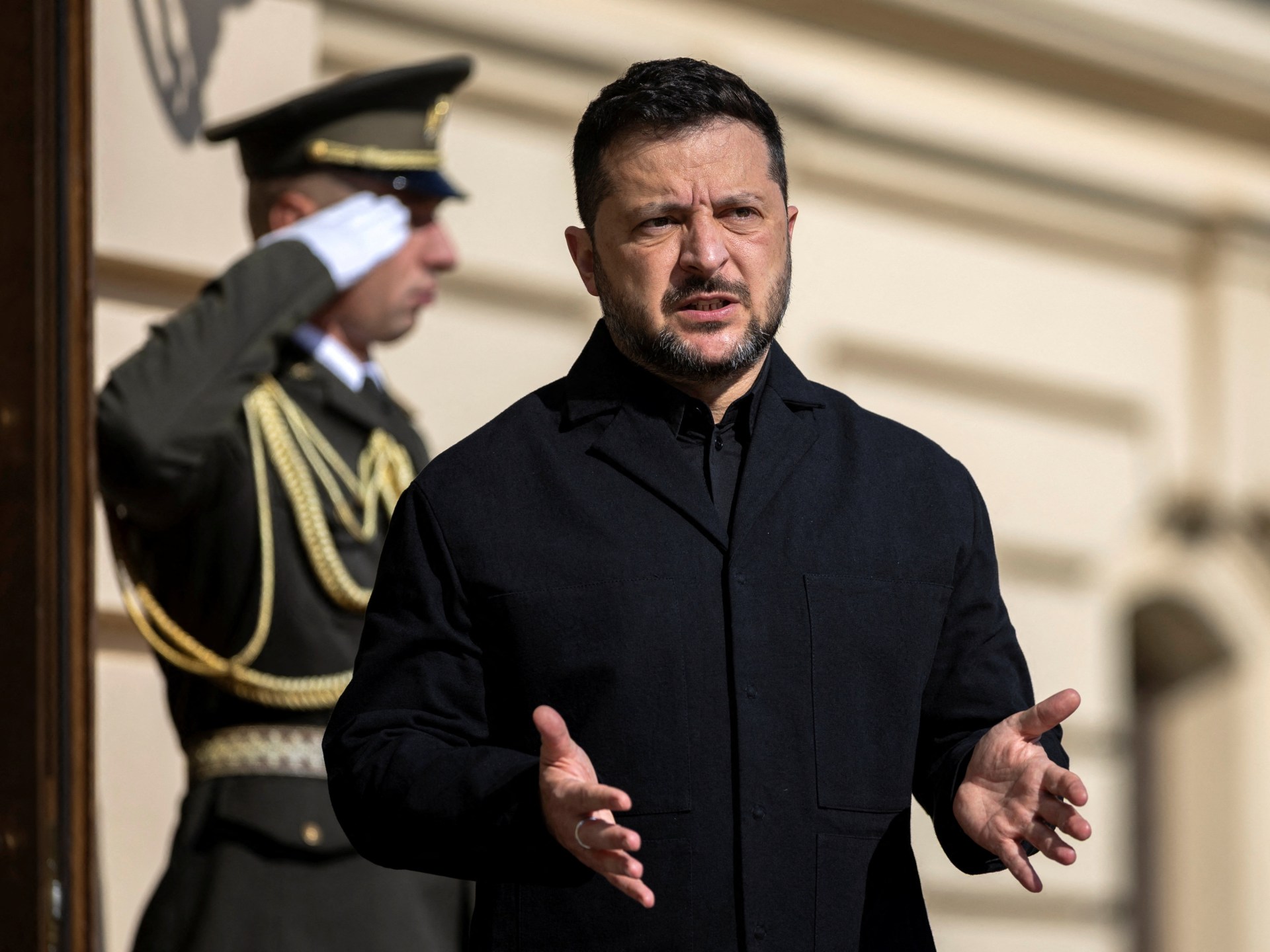
Ukrainian President Volodymyr Zelenskyy has confirmed readiness for US-backed trilateral negotiations with Russia, potentially setting the stage for high-stakes diplomatic engagement in the United Arab Emirates this month.
Geopolitical & Core Developments
Ukrainian President Volodymyr Zelenskyy has announced that Kyiv is prepared to enter US-backed trilateral talks with Russia, a significant diplomatic pivot that could alter the trajectory of the protracted conflict. Speaking to international media, Zelenskyy indicated that these high-level discussions could materialize as early as this month, with the United Arab Emirates or another neutral location proposed by Washington emerging as the primary venue. This prospective diplomatic breakthrough follows intensive behind-the-scenes consultations between American, European, and Ukrainian officials aimed at establishing a viable framework for negotiations.
The strategic stakes for state actors involved remain extraordinarily high. For Kyiv, entering discussions under US sponsorship provides essential diplomatic leverage and security assurances, while simultaneously addressing mounting domestic and international war fatigue. For Moscow, the overture presents a potential pathway toward easing crushing international sanctions, though Kremlin officials have yet to officially confirm their participation or outline specific preconditions. The unfolding diplomatic architecture underscores a shifting paradigm from military attrition toward protracted diplomatic positioning, though fundamental disagreements over territorial integrity and security guarantees continue to pose formidable hurdles to any lasting settlement.
Global Trade & Economic Ripples
International commodity markets and global supply chains reacted with immediate volatility to the prospect of diplomatic engagement. Energy futures, particularly European natural gas benchmarks and Brent crude prices, experienced downward pressure as traders priced in the speculative risk premium associated with potential supply disruptions in the Black Sea basin. Persistent geopolitical tensions have long distorted maritime shipping lanes, driving up insurance premiums and freight rates across vital European and Middle Eastern corridors. A credible de-escalation pathway could pave the way for the eventual normalization of critical export routes, easing inflationary pressures on global grain, fertilizer, and energy markets.
Furthermore, currency markets exhibited sensitivity to the announcement, with the Ukrainian hryvnia finding stabilization while regional European currencies reacted to shifting risk sentiments. International trade analysts emphasize that even preliminary talks could catalyze foreign direct investment inflows into Ukraine's war-damaged infrastructure, particularly if reconstruction financing mechanisms are tied to diplomatic progress. However, corporate strategists remain cautious, maintaining robust risk-management frameworks amid lingering uncertainty regarding the durability of any prospective ceasefire or trade normalization agreement.
Related Intelligence: Russian Strikes on Kyiv Bridges Trigger Renewed Supply Chain Anxieties
International Reactions & Diplomatic Stances
Multilateral bodies and international capitals have responded to Zelenskyy's announcement with a mixture of cautious optimism and diplomatic pragmatism. The United Nations has reiterated its steadfast support for any credible dialogue aimed at achieving a comprehensive, just, and lasting peace in accordance with international law. Meanwhile, European Union leadership emphasized the necessity of maintaining transatlantic unity, insisting that any negotiated settlement must fully respect Ukraine's sovereignty and territorial integrity while reinforcing European energy security.
Market analysts and geopolitical risk consultancies point out that while the willingness to talk represents a psychological turning point, translating rhetoric into substantive agreements will require meticulous diplomatic groundwork. Washington has maintained a measured posture, emphasizing that the United States will facilitate dialogue without imposing predetermined territorial concessions upon Kyiv. Observers note that the choice of the United Arab Emirates as a potential venue highlights the growing diplomatic influence of Gulf nations as neutral intermediaries in complex international disputes.
Strategic Outlook & Future Scenarios
Looking ahead, the upcoming weeks will prove critical in determining whether these proposed trilateral discussions materialize or dissolve amid entrenched battlefield dynamics. Upcoming international summits and ministerial meetings will serve as primary testing grounds for aligning Western sanctions policy with emerging diplomatic initiatives. If preparatory talks in the United Arab Emirates gain traction, markets could witness a fundamental reassessment of long-term risk profiles across European energy and agricultural sectors.
Conversely, persistent military escalations or irreconcilable demands regarding territorial control could rapidly derail the diplomatic track, triggering renewed volatility in global commodity markets and prompting additional Western sanctions packages against Moscow. For global traders, multinational corporations, and policymakers, navigating this complex transitional phase requires continuous scenario planning and acute awareness of shifting geopolitical fault lines.
Join Our Official WhatsApp Channel
Receive live commodity alerts, policy changes, and commercial intelligence directly on WhatsApp.