
Strait of Hormuz Tanker Attacks Escalate Regional Conflict and Shock Markets
Multiple commercial tankers caught fire in the Strait of Hormuz while Israeli settlers targeted European diplomats in the West Bank, triggering severe market disruptions and international diplomatic strain.
Geopolitical & Core Developments
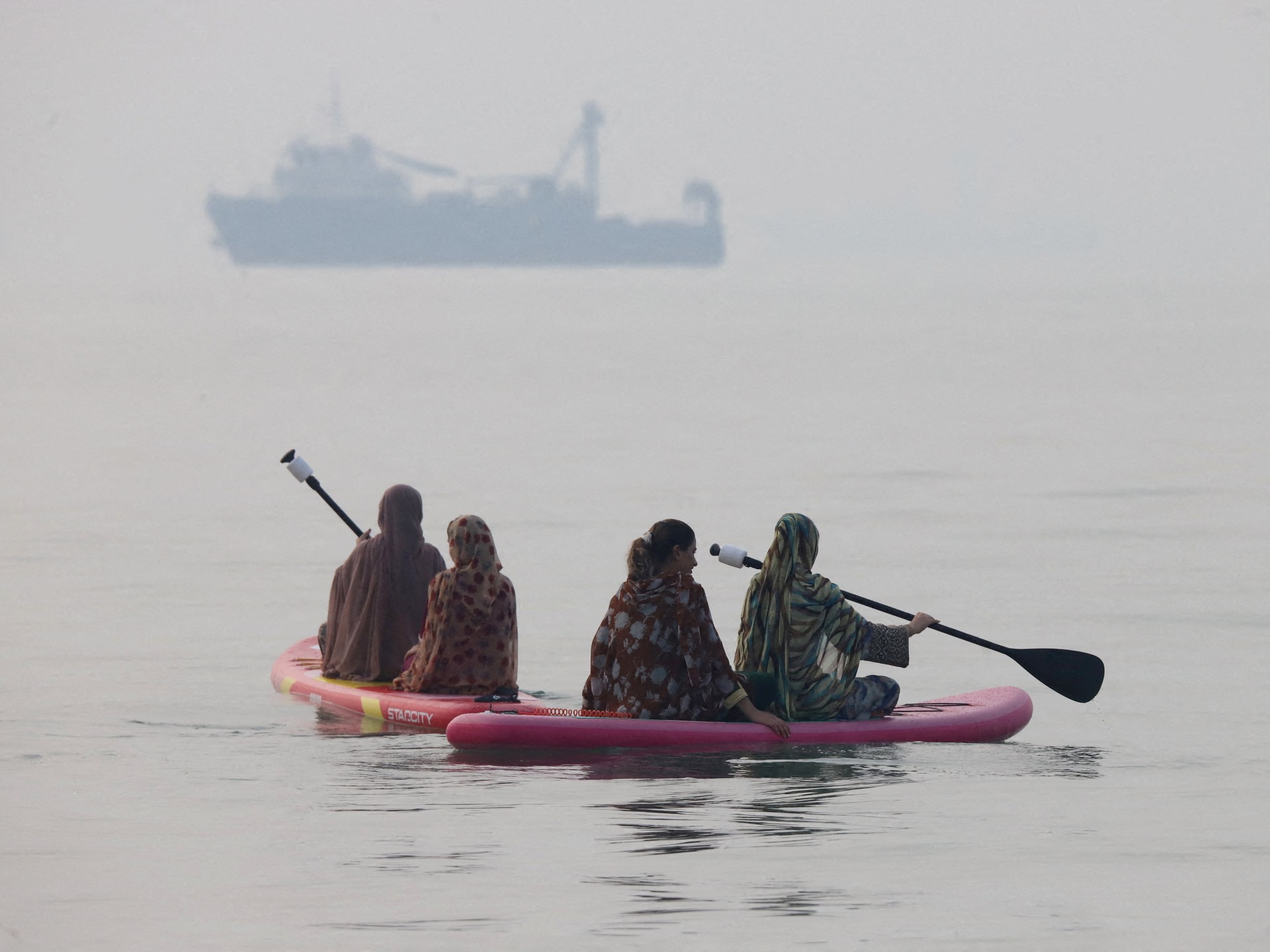
A dramatic surge in Middle Eastern hostilities unfolded today as maritime security agencies confirmed fires aboard three commercial tankers navigating near the strategic Strait of Hormuz. While attribution remains under official investigation by regional naval task forces, the incident follows days of heightened military readiness and rhetoric between Iranian forces and Western-aligned coalitions. Emergency response vessels were dispatched to contain the blaze and assist crew members, even as naval operations in the waterway slowed to a near-complete standstill.
Simultaneously, a major diplomatic crisis erupted in the occupied West Bank, where masked Israeli settlers physically assaulted an official delegation of European Union diplomats. The visiting convoy, comprising senior representatives assessing humanitarian conditions and unauthorized settlement expansions, was ambushed near a Palestinian village. The assailants pelted vehicles with stones and brandished makeshift weapons, forcing the diplomatic protective detail to perform tactical evasions. European capitals have expressed outrage, underscoring an unprecedented direct challenge to diplomatic immunity in the contested territory.
Global Trade & Economic Ripples
The dual flashpoints generated immediate volatility across global financial and commodity markets. The Strait of Hormuz serves as the arterial conduit for roughly one-fifth of global petroleum consumption, rendering any physical threat to shipping an immediate catalyst for price premiums. Brent crude and West Texas Intermediate spiked upwards by more than four percent within hours of the maritime report, while liquefied natural gas (LNG) delivery contracts witnessed immediate defensive bidding.
Maritime insurance underwriters convened emergency panels in London to reassess risk ratings, with several P&I clubs signaling an immediate hike in additional war risk premiums (AWRP) for vessels transiting the Persian Gulf. Commercial vessel operators are actively weighing rerouting strategies around the Cape of Good Hope, a costly alternative that adds ten to fourteen transit days, absorbs dry bulk and container capacity, and exerts upward pressure on consumer supply chains worldwide.
Related Intelligence: Nationwide Civil Unrest in France Disrupts Transport Networks and European Logistics
International Reactions & Diplomatic Stances
The United Nations Security Council indicated an emergency consultation would be convened to address the maritime security breakdown. The European External Action Service issued a stern condemnation regarding the West Bank attack, demanding that the Israeli government hold perpetrators accountable and ensure sovereign protection for diplomatic corps.
Western defense ministries emphasized their commitment to freedom of navigation, warning non-state and state actors alike against asymmetric disruptions in international shipping lanes. Conversely, regional representatives blamed unilateral sanctions and unchecked aggression for destabilizing regional equilibrium, warning that further militarization of maritime channels would yield catastrophic global economic consequences.
Strategic Outlook & Future Scenarios
In the near term, regional stability pivots on whether the maritime incidents constitute isolated sabotage or the opening phase of a coordinated blockade campaign. Should naval patrols fail to reassure commercial operators, heightened military escort operations reminiscent of historic convoy programs may become necessary to preserve international maritime commerce.
On the diplomatic front, the West Bank incident is poised to accelerate discussions within the European Union regarding targeted sanctions against extremist settler networks and reassessments of bilateral cooperation agreements. With energy inflation threatening fragile macroeconomic recoveries across Europe and North America, any sustained closure or high-risk classification of Persian Gulf sea lanes will likely compel central banks to revisit interest rate trajectories amidst supply-side shock pressures. Diplomatic corridors will monitor emergency G7 and Arab League sessions closely over the coming seventy-two hours.
Join Our Official WhatsApp Channel
Receive live commodity alerts, policy changes, and commercial intelligence directly on WhatsApp.