
Strait of Hormuz Crisis Deepens as Iran Intensifies Maritime Surveillance
Iran has amplified surveillance across the Strait of Hormuz amid an escalating wave of maritime attacks, triggering sharp declines in regional transit volumes and roiling global energy markets.
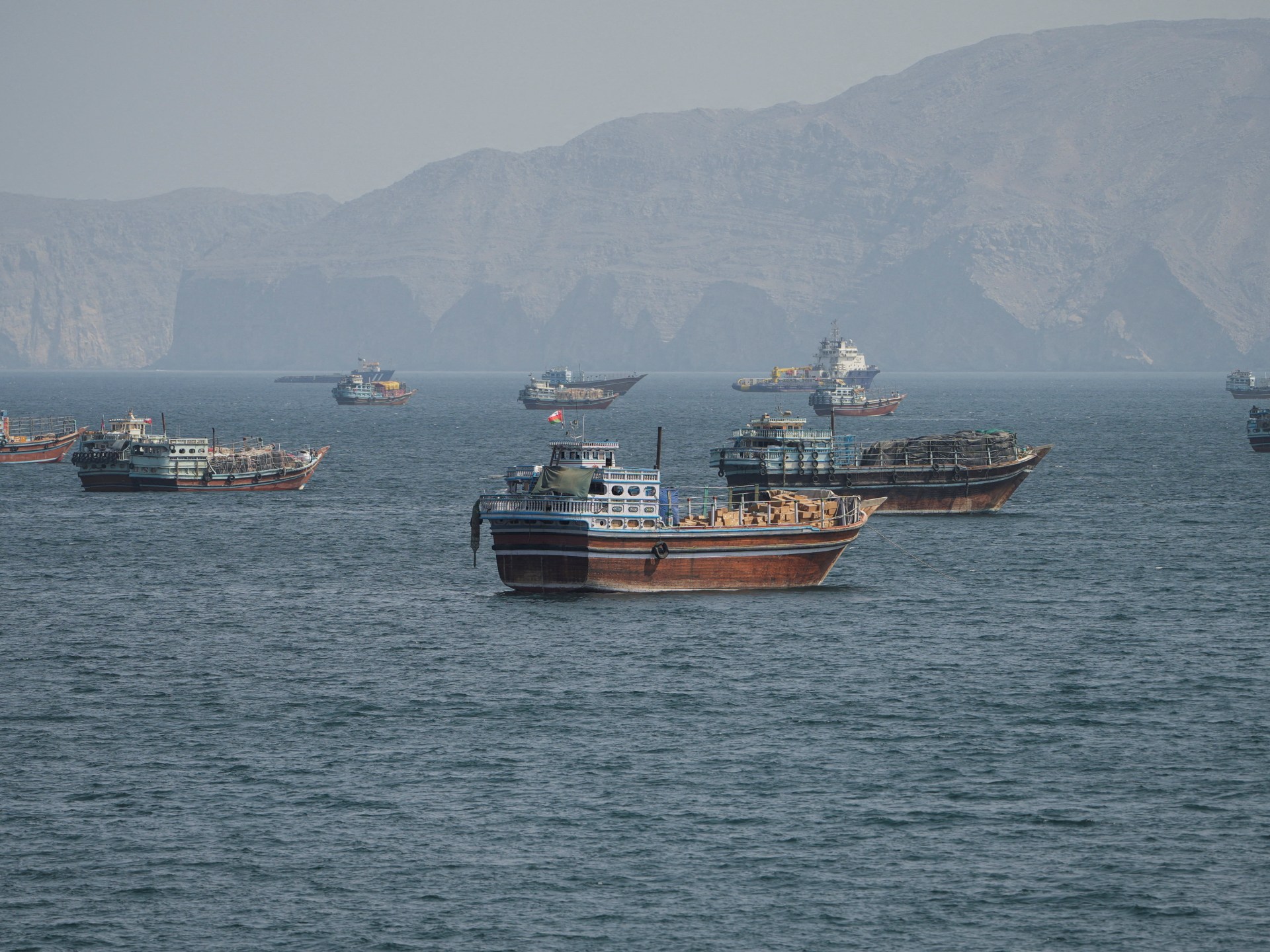
Geopolitical & Core Developments
Tensions across the Persian Gulf have escalated sharply as Iranian armed forces ramped up reconnaissance flights, naval patrols, and electronic surveillance throughout the Strait of Hormuz. The intensified military presence coincides with the most severe cluster of maritime strikes on merchant shipping witnessed since the eruption of broader regional hostilities. Commercial tankers and bulk carriers navigating this vital chokepoint report aggressive electronic interference, GPS spoofing, and persistent tracking by uncrewed aerial systems alongside fast-attack craft.
The Strait of Hormuz, an arterial sea passage separating Iran from Oman and the United Arab Emirates, facilitates approximately one-fifth of global petroleum consumption. Over recent days, coordinated assaults involving loitering munitions, sea-skimming anti-ship missiles, and limpet mines have damaged multiple merchant vessels under various international flags. Tehran maintains that its elevated military posture represents sovereign defensive measures against perceived Western aggression and illicit maritime activity. However, Western defense officials assess the deployment as an overt campaign of asymmetric deterrence aimed at leveraging control over international commerce to force diplomatic concessions.
Global Trade & Economic Ripples
The immediate consequence of the security breakdown has been a sharp retrenchment in maritime traffic. Major international tanker operators and shipping conglomerates have suspended direct transits through the strait, ordering vessels to anchor in safe zones or reroute entirely around the Cape of Good Hope. This diversion adds up to 14 days to standard voyages between Middle Eastern export terminals and Asian or European refining hubs, placing severe strains on global vessel supply.
Global energy markets reacted swiftly to the threat of protracted disruption. Benchmark Brent crude and West Texas Intermediate surged, reflecting a sudden escalation premium. Concurrently, maritime insurers have classified wider sectors of the Gulf as high-risk zones, driving war-risk premiums to near-record thresholds. For commodity trading houses, the surge in insurance and charter rates has compounded operational costs, feeding inflationary pressures through upstream manufacturing chains. Industrial consumers in major import economies across the Asia-Pacific region, heavily reliant on Persian Gulf heavy sour crudes, face tightening physical prompt supply, prompting refiners to seek costly replacement barrels from West Africa and the Americas.
Related Intelligence: Middle East Crisis Deepens as Military Automation Disrupts Regional Trade
International Reactions & Diplomatic Stances
The deterioration in Gulf maritime safety has drawn sharp rebukes from international governing bodies and sovereign capitals. The United Nations International Maritime Organization issued an emergency circular condemning targeted assaults on civilian seafarers and calling for unhindered freedom of navigation under the United Nations Convention on the Law of the Sea.
In Washington, defense officials announced plans to augment multilateral naval operations under Combined Maritime Forces, coordinating defensive escort missions with regional partners. The European Union reiterated its call for de-escalation while reinforcing its independent maritime presence, Operation Aspides. Conversely, Iranian diplomatic envoys countered that regional stability is compromised primarily by extra-regional military deployments, insisting that littoral states alone hold the mandate to administer Gulf security.
Market intelligence firms and shipping councils, including BIMCO, warned that the current volatility threatens global supply chain continuity far more severely than earlier localized disruptions, given the lack of economically viable alternate pipelines capable of bypassing the strait at scale.
Strategic Outlook & Future Scenarios
The strategic trajectory points toward elevated volatility in the near term. A complete closure of the Strait of Hormuz remains an extreme scenario given the mutual economic ruin it would inflict on Gulf producers, including Iran itself. Nevertheless, the threshold for miscalculation has narrowed dangerously. Accidental engagements between Western naval assets and Iranian interceptors could spark an immediate military exchange, driving crude prices into triple-digit territory.
Upcoming diplomatic sessions, including United Nations Security Council briefings and emergency OPEC+ ministerial consultations, are expected to center on risk mitigation. If maritime incursions continue unabated, Western powers may implement expanded sanctions on Iranian petrochemical logistics networks and introduce formal naval convoy systems. Until reliable de-escalation frameworks are established, commercial operators must brace for structurally elevated freight tariffs, extended transit durations, and persistent friction across the global maritime commons.
Join Our Official WhatsApp Channel
Receive live commodity alerts, policy changes, and commercial intelligence directly on WhatsApp.