
Sri Lanka Probes Rajapaksa Dynasty Amid Broader Economic and Anti-Corruption Drive
Sri Lankan authorities have intensified investigations and arrests targeting the prominent Rajapaksa family, signaling a decisive shift toward institutional governance and financial accountability under President Anura Kumara Dissanayake.
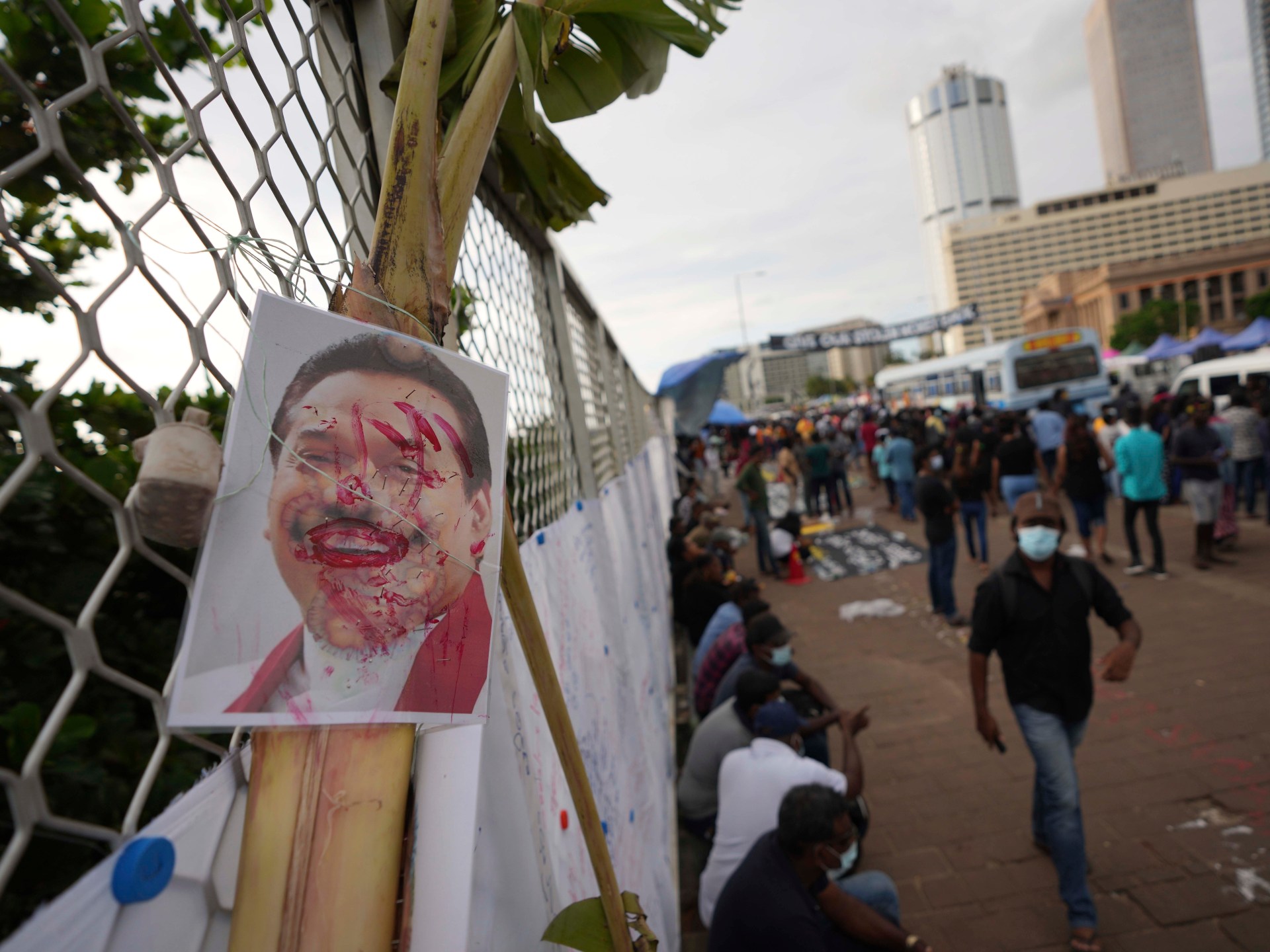
Geopolitical & Core Developments
Sri Lanka’s domestic and regional political landscape is experiencing a structural realignment as law enforcement agencies deepen criminal and financial investigations into the Rajapaksa dynasty. Over the past several weeks, multiple figures connected to former President Mahinda Rajapaksa, including his wife Shiranthi Rajapaksa and close political associates, have faced formal questioning and legal detentions over alleged misappropriation of state funds, illicit land acquisitions, and procurement irregularities. The ongoing probes represent a material break from the era of dynastic dominance that shaped the island nation’s governance for nearly two decades.
The renewed investigations follow the election of President Anura Kumara Dissanayake, whose National People's Power alliance secured power on an explicit platform of systemic anti-corruption, administrative transparency, and structural governance reform. Colombo's Criminal Investigation Department and the Commission to Investigate Allegations of Bribery or Corruption have reopened high-profile dossiers that had languished during previous administrations. These cases cover complex offshore financial transactions, sovereign infrastructure loans, and unrecorded state expenditures executed during the post-civil war reconstruction boom.
Strategically positioned along crucial Indian Ocean sea lines of communication, Sri Lanka’s internal governance carries elevated geopolitical weight. The Rajapaksa administration was historically characterized by deep commercial ties to Beijing, which financed mega-infrastructure projects such as the Hambantota Port and the Colombo Port City. The current judicial scrutiny into historical project financing reflects both a domestic anti-graft imperative and a recalibration of Colombo’s external sovereign engagements.
Global Trade & Economic Ripples
While the investigations are judicial in nature, their economic implications are critical for Sri Lanka’s sovereign debt recovery and trade integration. The sovereign debt crisis of 2022, triggered by unsustainable fiscal deficits, ill-conceived tax cuts, and abrupt bans on chemical fertilizer imports under Gotabaya Rajapaksa, decimated Colombo's foreign exchange reserves and forced a default on external obligations exceeding $50 billion.
The credibility of the current anti-corruption drive directly impacts the execution of Sri Lanka's $2.9 billion Extended Fund Facility with the International Monetary Fund. The IMF’s structural benchmarks include stringent governance diagnostic assessments, requiring institutional mechanisms to combat systemic corruption and recover public assets. Institutional clarity is essential to restore market confidence for international bondholders and unlock long-term foreign direct investment.
For international shipping lanes traversing the southern tip of Sri Lanka, political stability and predictable port operations remain paramount. Over 20 percent of global containerized maritime trade passes through Colombo’s deep-water transshipment hubs. Enhancing legal certainty and curbing bureaucratic rent-seeking are pivotal to maintaining Sri Lanka's competitiveness against burgeoning transshipment centers in India and Southeast Asia.
Related Intelligence: Karachi Court Grants Cybercrime Agency Remand of Politician Iqrar ul Hassan
International Reactions & Diplomatic Stances
Multilateral lenders and bilateral partners have maintained a measured yet supportive posture regarding Colombo’s institutional accountability measures. The International Monetary Fund and the World Bank have repeatedly emphasized that transparent public procurement and fiscal integrity are prerequisite conditions for sustainable macroeconomic stabilization.
Diplomatically, the development is tracked closely by New Delhi, Washington, and Beijing. The Indian government, which extended over $4 billion in emergency credit lines and humanitarian assistance during Sri Lanka’s immediate economic collapse, views institutional stabilization as critical to maritime security in the Palk Strait. Meanwhile, Western governments have welcomed legal processes that reinforce the rule of law and address legacy accountability issues. Chinese officials have officially framed the proceedings as an internal domestic matter, while simultaneously reiterating their commitment to safeguarding legitimate bilateral commercial investments.
Strategic Outlook & Future Scenarios
The trajectory of the Rajapaksa investigations will test the endurance of Sri Lanka’s judicial institutions and the political cohesion of the Dissanayake administration. In the near term, public prosecutors are expected to formally present indictments before the courts, a process that could prompt protracted legal battles over asset confiscation and evidentiary thresholds.
The primary scenario anticipates steady institutional reform where Colombo leverages anti-corruption outcomes to reassure foreign creditors and conclude comprehensive debt restructuring terms. A secondary risk involves domestic political friction if opposition factions frame the proceedings as political retaliation, potentially complicating key parliamentary legislative agendas. Ultimately, the successful institutionalization of the rule of law will serve as the benchmark determining whether Sri Lanka can transition from a default-stricken frontier market into a stable, transparent node in global trade logistics.
Join Our Official WhatsApp Channel
Receive live commodity alerts, policy changes, and commercial intelligence directly on WhatsApp.