
Lahore Court Acquits Suspected Narcotics Figure Pinky in Multiple Contraband Cases
A Lahore court has acquitted alleged narcotics operative Anmol, alias Pinky, in two additional cases, underscoring persistent enforcement bottlenecks and judicial evidentiary hurdles in dismantling organized urban contraband networks across Punjab.
The Core Development
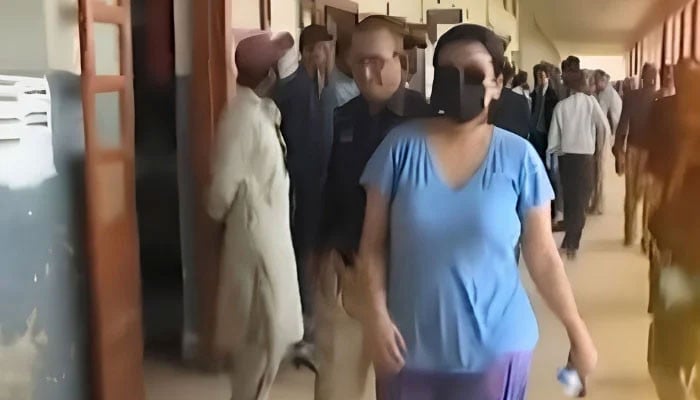
A judicial magistrate court in Lahore has officially acquitted Anmol, widely known by the alias Pinky and characterized by law enforcement as a central figure in regional narcotics distribution networks, in two separate illicit contraband cases. The acquittals materialize following a protracted trial process wherein the prosecution failed to establish incontrovertible material evidence linking the accused to the recovered illicit narcotics.
According to judicial records, the prosecution was severely compromised by discrepancies in witness testimonies, missing chain-of-custody protocols for seized contraband, and procedural defects in field recovery memos. Defense counsel successfully argued that the state's case relied on unsubstantiated assertions without independent corroboration. Pinky, who has faced over a dozen interconnected criminal charges registered across multiple police precincts in Lahore, has now secured release or relief in successive litigations, exposing systemic cracks in law enforcement investigations and prosecutorial preparedness in high-stakes illicit distribution cases.
Commercial & Economic Implications
While predominantly framed within a criminal justice context, the proliferation and ineffective prosecution of organized narcotics syndicates carry direct, severe consequences for the formal commercial economy. The unregulated shadow economy fueled by illicit narcotics and black-market liquidity siphons liquid capital away from documented retail and wholesale channels. In urban manufacturing hubs across Lahore, Gujranwala, and Faisalabad, business operators consistently report an alarming erosion of labor productivity driven by rising substance dependency, particularly among blue-collar transport workers and warehouse personnel.
Furthermore, the persistence of entrenched contraband enterprises distorts local real estate and unsecured micro-lending ecosystems. Illicit proceeds are frequently laundered through unstructured real estate purchases, commercial transport fleets, and unregulated consumer retail businesses, creating uncompetitive cost advantages over tax-compliant formal enterprises. When enforcement mechanisms fail to curb major syndicates, the resultant degradation of law and order increases enterprise security overheads, directly raising the operational expense ratio for legitimate logistics providers and wholesale distributors operating in peri-urban corridors.
Stakeholder Perspectives & Market Reactions
Legal practitioners and institutional watchdogs have reacted sharply to the spate of acquittals, noting that structural shortcomings in the police investigation apparatus continue to undermine the judicial pipeline. Criminal law analysts point out that state prosecutors routinely inherit poorly drafted First Information Reports (FIRs) and defective chemical examiner reports, making convictions virtually unattainable despite the gravity of the underlying offenses. Police officials, speaking on condition of anonymity, acknowledged the structural constraints, citing resource shortfalls, inadequate forensics training, and judicial evidentiary thresholds that demand flawless documentation from under-resourced field officers.
Concurrently, business chambers and urban trade bodies have raised mounting concerns regarding municipal stability and labor market integrity. Representatives from transport trade associations have stressed that weak enforcement against synthetic and traditional narcotics syndicates creates acute operational risks for freight distribution networks. Industrial estate management councils have repeatedly urged provincial authorities to implement institutional reforms within narcotics control squads, emphasizing that workforce reliability is intrinsically tied to strict, transparent law enforcement.
Forward Outlook & Key Watchpoints
The Punjab Home Department and provincial prosecution authorities are reportedly evaluating options to challenge the acquittals through appeal petitions before the Lahore High Court. Observers will closely monitor whether the provincial administration initiates procedural audits into the investigating officers handling these files or issues revised operational directives regarding forensics management.
Moving forward, key watchpoints center on comprehensive modernization of the Punjab Forensic Science Agency's collaboration with frontline investigative units, alongside the potential integration of digital custody-tracking protocols for contraband seizures. Unless institutional coordination between state prosecutors and municipal police departments is fundamentally restructured, high-profile illicit distribution networks will continue to evade accountability, leaving formal market participants to bear the ancillary social and economic costs.
Join Our Official WhatsApp Channel
Receive live commodity alerts, policy changes, and commercial intelligence directly on WhatsApp.