
Southeast Asian Haze Crisis Triggers School Closures and Regional Alarm
Severe transboundary haze from Indonesian forest fires has forced school closures across Malaysia, plunging Kuala Lumpur into hazardous air quality levels and disrupting commercial activity.
The Core Development
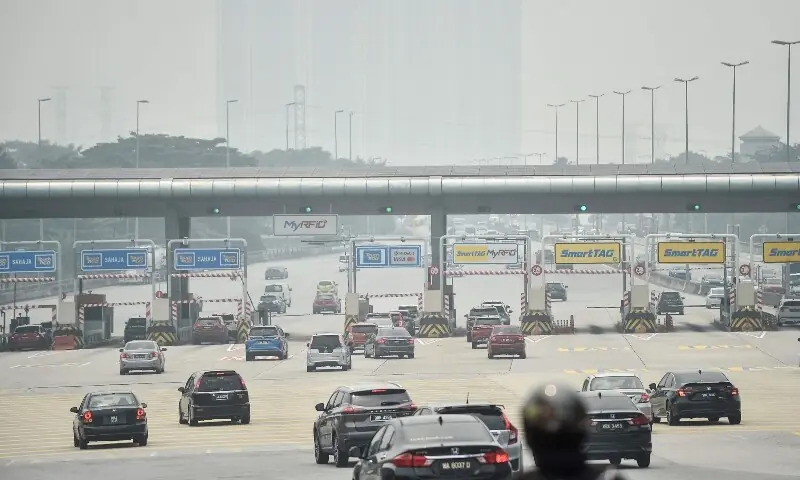
Malaysia implemented sweeping emergency measures on Friday, ordering the closure of schools across four states and two federal territories as toxic haze from neighboring Indonesia engulfed the region. The crisis, driven by persistent peatland and forest fires, has choked towns and cities for over a month, causing a sharp surge in respiratory ailments among local populations. Kuala Lumpur bore the brunt of the environmental deterioration on Friday, with air quality plummeting to an index reading of approximately 224 according to Swiss-based air quality monitor IQAir. This hazardous spike propelled Malaysia's capital past Singapore, temporarily ranking it as the most polluted major city globally.
Malaysian Education Minister Fadhlina Sidek confirmed the directive for full institutional closures to safeguard student health, while national leaders intensified diplomatic pressure. Malaysian Prime Minister held high-level discussions with his Indonesian counterpart, formally calling for an urgent regional summit to address the recurring cross-border environmental hazard. Meteorological authorities indicate that shifting monsoon winds continue to carry dense particulate matter across the Malacca Strait, compounding visibility issues and keeping urban centers shrouded in thick, grey smoke.
Commercial & Economic Implications
While the immediate crisis is localized to Southeast Asia, transboundary environmental shocks of this magnitude carry broader reverberations for international supply chains, regional trade corridors, and commodity markets. For import-dependent economies like Pakistan, prolonged environmental disruptions in major manufacturing and shipping hubs can create secondary bottlenecks in agricultural and manufactured goods distribution. Reduced outdoor labor productivity, port logistical slowdowns, and transport delays in key Southeast Asian export hubs frequently translate to cost pressures that ripple through global supply networks.
Domestically, sustained agricultural and commodity market volatility—particularly concerning palm oil production regions frequently impacted by Indonesian land-clearing practices—directly influences imported edible oil prices in Pakistan. When environmental crises impair plantation yields or delay harvesting schedules, domestic wholesale and retail markets experience cost-push inflation. Importers and distributors must navigate heightened price uncertainty, requiring agile inventory management and diversified sourcing strategies to protect retail consumer purchasing power against external supply shocks.
Related Intelligence: South African Unrest Threatens Regional Trade Hub Stability
Stakeholder Perspectives & Market Reactions
Business councils, trader associations, and environmental policy experts have voiced growing frustration over the cyclical nature of the ASEAN haze crisis. Industry bodies representing logistics, tourism, and retail sectors in Malaysia reported immediate footfall contractions and productivity losses following the government's stay-at-home advisories and school shutdowns. Public health advocates have criticized the slow pace of bilateral enforcement mechanisms, demanding legally binding regional frameworks to hold commercial plantation operators accountable for illegal slash-and-burn land clearance.
In response to mounting domestic pressure, regional chambers of commerce have urged governments to establish robust financial penalty systems and cooperative technological monitoring frameworks. Legal analysts point out that existing ASEAN agreements on transboundary haze pollution lack strong enforcement mechanisms, leaving affected nations with limited legal recourse against sovereign neighbors whose domestic land management practices generate severe externalities.
Forward Outlook & Key Watchpoints
As meteorological departments monitor changing wind patterns, the immediate outlook depends heavily on imminent rainfall forecasts capable of suppressing underground peat fires. Diplomatic channels remain active, with bilateral committees scheduled to convene extraordinary sessions next week to evaluate joint firefighting deployments and satellite monitoring data.
Key watchpoints for international observers and market analysts include the duration of institutional closures, the speed of government-to-government firefighting cooperation, and subsequent quarterly agricultural yield reports from key production zones. Failure to implement sustained preventative measures risks turning annual seasonal haze into a permanent drag on regional economic stability and cross-border trade relations.
Join Our Official WhatsApp Channel
Receive live commodity alerts, policy changes, and commercial intelligence directly on WhatsApp.