
South African Unrest Threatens Regional Trade Hub Stability
Resurgent anti-migrant violence in South Africa damages critical retail infrastructure and threatens regional economic stability across Southern Africa's primary trade corridors.
Geopolitical & Core Developments
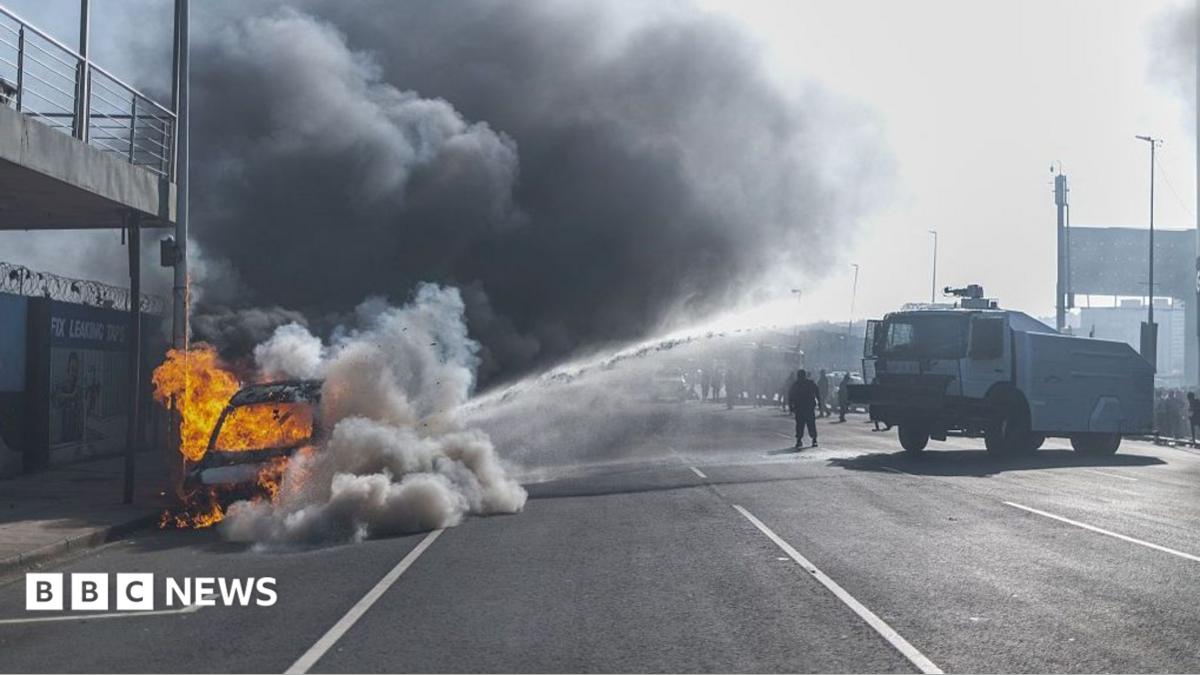
South Africa has once again plunged into civil unrest as organized anti-migrant violence erupted across major urban centers, resulting in widespread property destruction, torched vehicles, and systematic looting of foreign-owned retail establishments. The clashes underscore deep-seated socioeconomic vulnerabilities within the nation, where chronic high unemployment, persistent poverty, and widening wealth inequality frequently manifest as xenophobic hostility toward immigrants from neighboring states such as Zimbabwe, Mozambique, and Lesotho.
Historically, South Africa has functioned as both a refuge and a primary economic destination for migrant laborers seeking employment in mining, agriculture, and informal commerce. However, as domestic economic growth stagnates, local populations increasingly scapegoat foreign nationals for labor market pressures and strained public infrastructure. State security apparatuses have deployed tactical units to restore order, imposing curfews and establishing security cordons around volatile commercial districts. Despite these interventions, the underlying structural grievances remain unaddressed, creating a volatile domestic landscape that challenges the authority of federal law enforcement and tests the resilience of the nation's democratic institutions.
Global Trade & Economic Ripples
As the industrial and financial powerhouse of the African continent, South Africa serves as the primary gateway for international commerce entering the Southern African Development Community (SADC) region. The outbreak of violence directly disrupts critical logistics networks, including major freight corridors, dry ports, and distribution hubs that facilitate the movement of manufactured goods, raw materials, and agricultural produce across borders.
Global commodity markets and multinational corporations operating within the region face immediate operational risks. Supply chains linking South African ports—such as Durban and Ngqura—to landlocked economies like Botswana, Zambia, and Zimbabwe are experiencing severe bottlenecks. Insurance underwriters are reassessing risk premiums for commercial assets deployed in the region, while foreign investors exhibit heightened caution regarding future capital allocations. Furthermore, currency markets have registered mild downward pressures on the South African Rand as foreign exchange traders price in the potential for prolonged domestic instability, regulatory uncertainty, and diminished consumer confidence.
Related Intelligence: Yemen Economic Crisis Threatens Red Sea Stability and Global Supply Chains
International Reactions & Diplomatic Stances
International bodies and neighboring governments have expressed profound concern over the deteriorating security situation. The United Nations High Commissioner for Refugees (UNHCR) issued a formal appeal for the protection of displaced foreign nationals, emphasizing the obligation of the South African state to uphold international human rights standards and ensure accountability for perpetrators of violence.
Diplomatic missions representing key SADC member states have formally engaged Pretoria's Department of International Relations and Cooperation, demanding robust guarantees for the safety of their expatriate populations and commercial interests. Multilateral economic analysts warn that sustained civil unrest could undermine ongoing negotiations surrounding the African Continental Free Trade Area (AfCFTA), complicating efforts to project an image of a stable, integrated, and predictable continental market to international trade partners in Europe, North America, and Asia.
Strategic Outlook & Future Scenarios
Looking ahead, the trajectory of South Africa's sociopolitical stability hinges on the federal government's capacity to execute comprehensive economic reforms alongside decisive law enforcement measures. Without targeted job creation initiatives and structural interventions to alleviate poverty, the risk of recurring cyclical violence remains exceptionally high.
Upcoming regional summits of the African Union and SADC will likely feature emergency agenda items addressing migration governance, regional labor mobility, and cross-border security cooperation. For international investors and global commodity traders, monitoring urban security metrics and regulatory shifts in Pretoria will be paramount. Failure to stabilize the domestic environment risks transforming localized social friction into a protracted structural crisis, permanently altering the risk profile of Southern Africa's premier economic hub.
Join Our Official WhatsApp Channel
Receive live commodity alerts, policy changes, and commercial intelligence directly on WhatsApp.