
Saudi Arabia Restarts Riyadh Airport Following Houthi Drone Strike
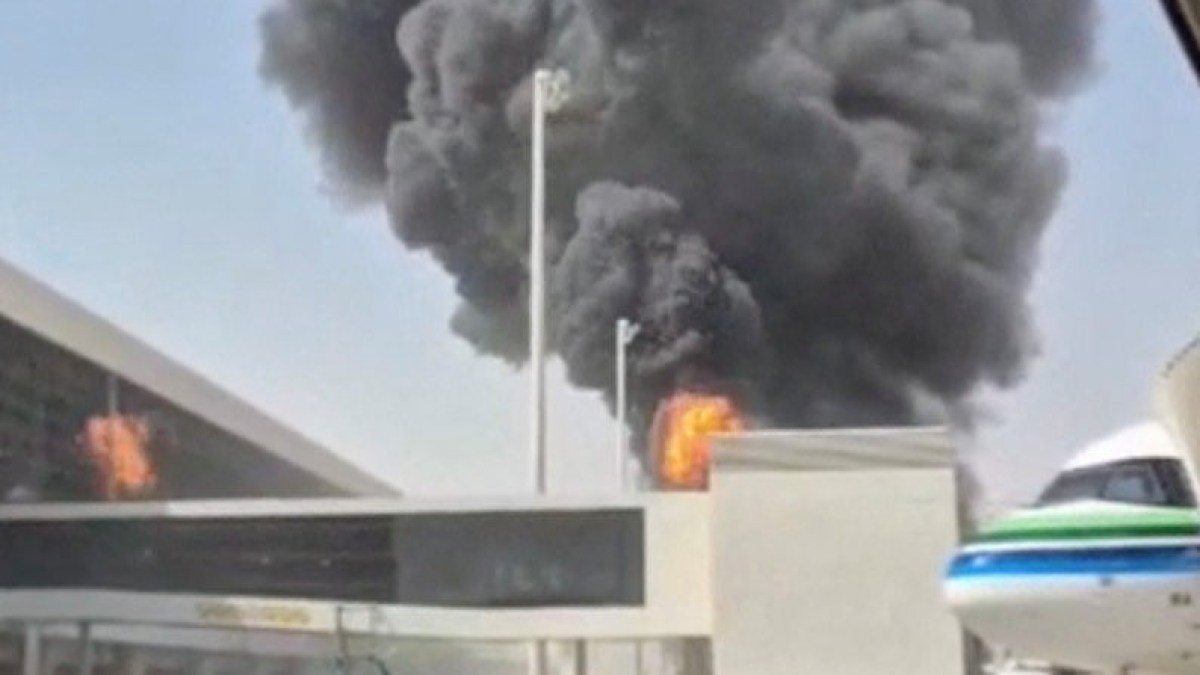
Saudi authorities resumed operations at Riyadh's main international airport following a Houthi attack that killed three people, intensifying regional security concerns and shaking global energy markets.
Geopolitical & Core Developments
Saudi Arabian authorities confirmed the full resumption of operations at King Khalid International Airport in Riyadh following a temporary suspension triggered by a sophisticated cross-border drone and missile assault. The attack, attributed to Yemen's Houthi movement, targeted vital civilian infrastructure and resulted in three confirmed fatalities alongside several injuries. This incident marks a sharp escalation in a series of targeted aerial operations directed at the kingdom's transportation hubs in recent days. State security apparatuses successfully intercepted several incoming projectiles, but the breaching of air defenses at key metropolitan nodes underscores the persistent vulnerability of critical infrastructure to asymmetric warfare tactics. The intensification of these strikes shatters a fragile, de facto lull in hostilities and complicates ongoing behind-the-scenes regional diplomacy aimed at cementing a durable cease-fire between the Saudi-led coalition and the Houthi movement.
Global Trade & Economic Ripples
The resumption of hostilities along vital Middle Eastern transit corridors immediately reverberated across global commodity markets, particularly affecting international crude oil benchmarks and regional supply chains. As key logistical arteries and aviation hubs face elevated threat levels, risk premiums embedded within energy futures experienced sharp upward corrections. Investors and commercial shipping lines are reassessing security protocols across the Bab el-Mandeb strait and surrounding airspace, fearing broader disruptions to petroleum exports and international trade flows. The vulnerability of Saudi logistics infrastructure directly impacts broader macroeconomic stability, as any sustained threat to Gulf transportation networks introduces costly delays, drives up maritime and aviation insurance rates, and threatens to inject fresh inflationary pressures into global energy supply chains.
Related Intelligence: Pakistan Urges Regional Restraint Amid Escalating Middle East Tensions
International Reactions & Diplomatic Stances
Global capitals and multilateral organizations reacted swiftly to the escalation, issuing coordinated condemnations of the strikes on civilian infrastructure. United Nations officials reiterated that attacks targeting non-military sites violate international humanitarian law and imperil prospects for a negotiated political settlement in Yemen. Western governments underscored their unwavering commitment to Saudi Arabia's territorial defense while simultaneously urging maximum military restraint to prevent a catastrophic regional conflagration. Market analysts and geopolitical risk consultants warned that the breakdown in security deterrence could derail fragile regional normalization efforts, forcing diplomatic missions to recalibrate their engagement strategies with both state and non-state actors across the Arabian Peninsula.
Strategic Outlook & Future Scenarios
Looking ahead, the strategic trajectory of the conflict hinges on the immediate military response from the Saudi-led coalition and the diplomatic agility of international mediators. Should retaliatory airstrikes intensify, the region risks sliding back into active, high-intensity warfare, undoing months of painstaking bilateral dialogue between Riyadh and Sanaa. Upcoming diplomatic summits and emergency ministerial consultations will likely focus on reinforcing regional air defense architectures and establishing robust de-escalation channels. Furthermore, policymakers are weighing the potential re-imposition of stringent international sanctions and designations against Houthi leadership entities to curtail their military procurement networks. Commercial entities operating within the Gulf must prepare for protracted volatility, integrating advanced risk-mitigation frameworks into their operational planning as geopolitical friction points multiply across the Middle East.
Join Our Official WhatsApp Channel
Receive live commodity alerts, policy changes, and commercial intelligence directly on WhatsApp.