
New York ICE Shooting Sparks Federal Clash and Market Anxiety
A high-stakes immigration enforcement shooting in New York City ignites a fierce jurisdictional clash between municipal leaders and federal security agencies, raising broader economic and regulatory concerns.
Geopolitical & Core Developments
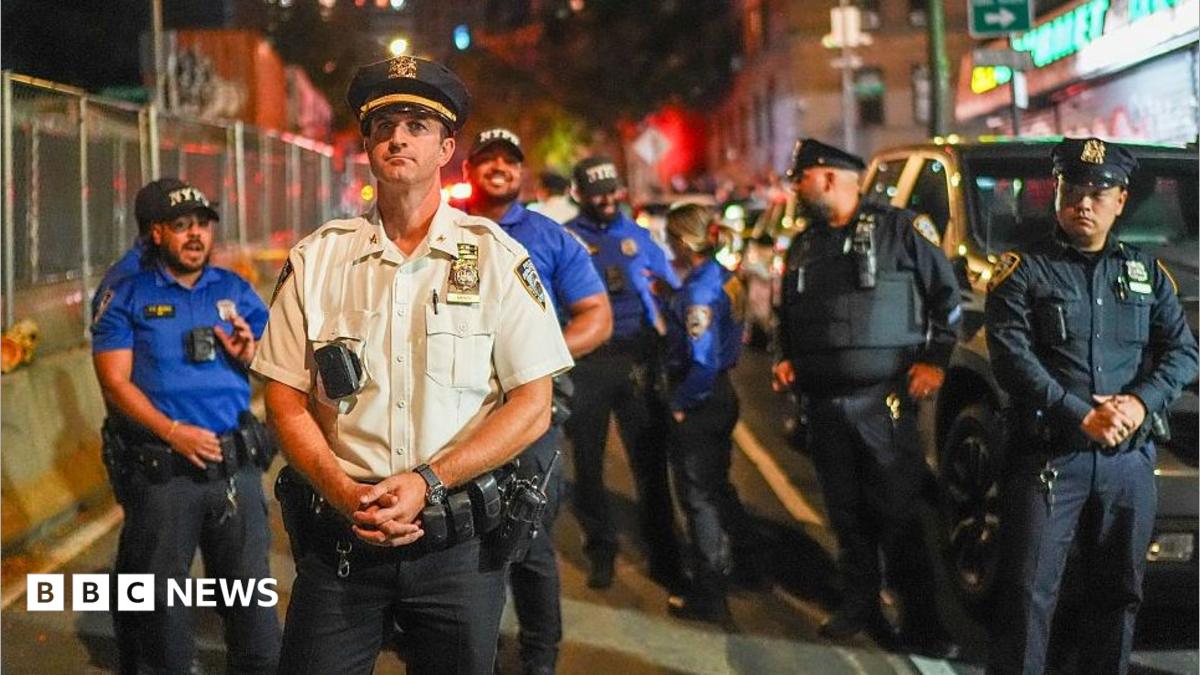
A high-profile enforcement action by US Immigration and Customs Enforcement (ICE) in New York City has degenerated into a critical flashpoint, culminating in the shooting of a civilian during an attempted arrest. The incident, which unfolded in a densely populated urban corridor, immediately drew sharp condemnation from the municipal government. The mayor expressed profound outrage over the tactical execution of the federal operation, characterizing it as an unacceptable breach of community safety protocols and local oversight. Conversely, the Department of Homeland Security (DHS) fiercely defended the actions of its personnel, maintaining that the operation targeted a designated criminal alien with a history of offenses posing a direct threat to public security. This confrontation lays bare the enduring structural tensions between federal immigration enforcement mandates and local sanctuary city jurisdictions, creating a volatile domestic landscape where jurisdictional authority remains hotly contested.
Global Trade & Economic Ripples
While ostensibly a domestic law enforcement event, domestic regulatory friction of this magnitude carries discernible weight for international commercial interests and cross-border labor dynamics. New York City functions as a premier global financial nexus, highly sensitive to macroeconomic stability, regulatory predictability, and urban workforce continuity. Intensified federal enforcement actions directly impact urban labor markets, particularly within sectors such as construction, hospitality, logistics, and supply chain distribution—industries heavily reliant on immigrant labor pools. Any sudden disruption in labor availability or heightened workplace raids can introduce localized wage inflation, project delays, and operational friction for multinational corporations headquartered or operating within the metropolitan area. Furthermore, heightened political polarization surrounding immigration policy introduces secondary investor anxieties regarding potential legislative overhauls, compliance costs, and long-term labor supply chain resilience across the broader North American market.
Related Intelligence: New York ICE Shooting Escalates Domestic Tensions and Immigration Debate
International Reactions & Diplomatic Stances
The domestic dispute has quickly captured the attention of foreign diplomatic missions and international observers monitoring US political stability and the rule of law. Multilateral bodies and trade partners continually assess US internal security dynamics as a barometer of overall governance reliability and policy predictability. While formal statements from international organizations remain measured, foreign trade analysts note that domestic friction regarding federal versus local authority complicates bilateral discussions on human mobility, consular access, and cross-border security cooperation. The polarization surrounding federal enforcement agencies signals to global markets that immigration policy will remain a contentious battleground ahead of upcoming electoral cycles, influencing foreign direct investment confidence and multinational risk assessments.
Strategic Outlook & Future Scenarios
As the fallout from the New York City ICE shooting reverberates through legislative and judicial channels, the trajectory points toward intensified legal battles over federal preemption and municipal autonomy. Future scenarios likely include congressional hearings, potential federal-municipal lawsuits regarding jurisdictional boundaries, and heightened civil disobedience. For global commodity markets and international trade participants, the primary risk lies in policy unpredictability and potential regulatory shifts that could alter labor deployment frameworks. Navigating this environment requires corporations to maintain rigorous compliance postures while continuously monitoring regulatory adjustments that could impact workforce stability and operational continuity across major US commercial hubs.
Join Our Official WhatsApp Channel
Receive live commodity alerts, policy changes, and commercial intelligence directly on WhatsApp.