
Escalating US Air Campaign in Somalia Deepens Humanitarian and Maritime Risks
Surging US military air operations in Somalia have triggered severe displacement and civilian casualties, threatening regional stability and compounding maritime risks across the Gulf of Aden.
Geopolitical & Core Developments
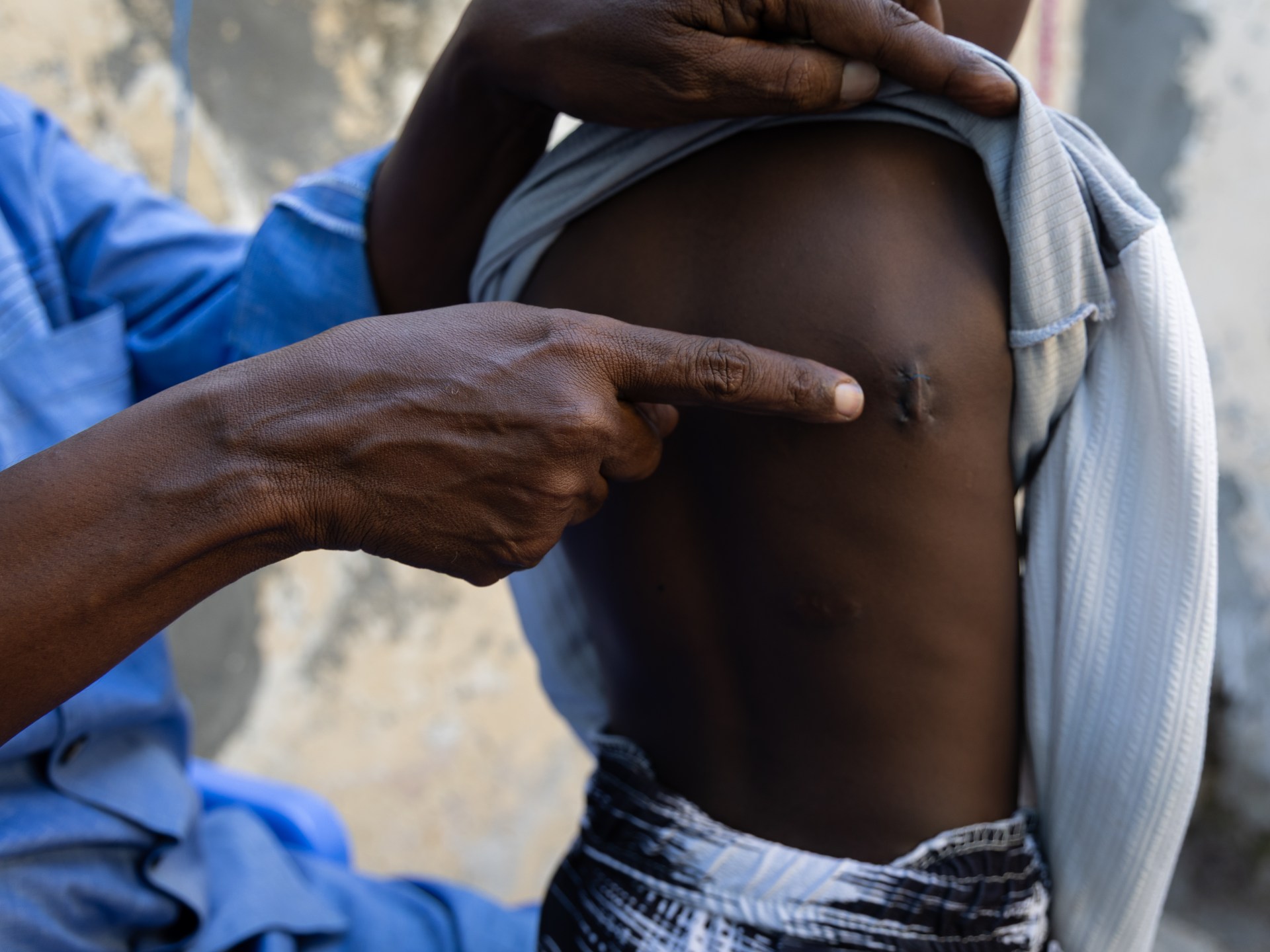
The acceleration of United States Africa Command (AFRICOM) aerial bombardments targeting armed factions in Somalia has intensified an already protracted security dilemma in the Horn of Africa. Following directives from Washington to heighten pressure on al-Shabaab and affiliate extremist networks, remote warfare operations have expanded across southern and central Somali provinces. Local monitors and displaced families report a growing toll of civilian casualties, infrastructural devastation, and forced migrations away from agricultural heartlands into overburdened urban perimeters like Mogadishu.
The strategic posture under the Trump administration prioritized loosening rules of engagement to swiftly degrade militant operational capabilities. However, defense analysts note that while kinetic strikes disrupt tactical command hubs, the resulting power vacuums often fracture governance rather than consolidate state authority. The Federal Government of Somalia remains caught between leveraging Western air supremacy to secure territory and managing widespread local grievances generated by unacknowledged collateral damage. As civilian resentment festers, recruitment drives by non-state armed groups continue to offset territorial losses, entrenching a cycle of asymmetric warfare.
Global Trade & Economic Ripples
While the direct theatre of conflict remains largely agrarian, the geographic proximity of the operational zone to critical international sea lines of communication amplifies its economic consequence. The Horn of Africa directly borders the Gulf of Aden and the southern entrance to the Red Sea, a choke point through which substantial volumes of crude oil, liquefied natural gas, and containerized consumer goods pass toward European and Asian terminals. Prolonged kinetic instability onshore continuously threatens littoral security, sustaining elevated maritime insurance premiums for commercial vessels navigating the Western Indian Ocean.
Furthermore, rural displacement severely impedes Somalia's fragile livestock trade—a primary source of foreign exchange and livestock export to the Arabian Peninsula. Disrupted pastoral corridors diminish agricultural output, worsening acute food insecurity across the region and necessitating elevated international grain imports. In turn, regional supply chains face logistical friction, driving up freight transport overheads across East African distribution corridors.
Related Intelligence: Colombia Illegal Gold Mine Collapse Kills 14 Amid Supply Chain Scrutiny
International Reactions & Diplomatic Stances
The intensification of aerial campaigns has drawn scrutiny from multilateral bodies and human rights organizations. The United Nations Assistance Mission in Somalia (UNSOM) has consistently emphasized that military operations must adhere strictly to international humanitarian law, particularly regarding the principles of distinction and proportionality. Officials within the African Union Transition Mission in Somalia (ATMIS) have expressed concern that over-reliance on external air assets without coordinated terrestrial stabilization risks alienating local communities essential for intelligence gathering.
Western human rights watchdogs have repeatedly challenged the transparency of casualty reporting protocols, urging independent verification mechanisms. Conversely, US defense officials maintain that all targeted strikes are rigorously planned to minimize non-combatant harm, characterizing the campaign as an indispensable component of global counter-terrorism architecture intended to prevent cross-border operations.
Strategic Outlook & Future Scenarios
The trajectory of the conflict will largely hinge on the durability of international security assistance and the political stabilization of Somalia's federal member states. Should kinetic operations expand without corresponding institutional investments in local governance, policing, and civil infrastructure, extremist groups are likely to disperse into semi-autonomous peripheral redoubts, perpetuating low-intensity asymmetric warfare.
Looking ahead, forthcoming summits involving the African Union Peace and Security Council and international partners will evaluate transition mandates as foreign troops gradually recalibrate operational footprints. Absent a comprehensive diplomatic framework addressing the structural drivers of grievance and economic marginalization, aerial interdiction will remain a high-cost containment strategy, maintaining persistent geopolitical and maritime risk across the wider East African corridor.
Join Our Official WhatsApp Channel
Receive live commodity alerts, policy changes, and commercial intelligence directly on WhatsApp.