
South African Asylum Ruling Sparks Violent Unrest and Trade Disruptions
Violent protests erupted across Johannesburg's Soweto and Durban following a controversial asylum ruling, forcing foreign-owned businesses to shut down and disrupting regional commercial stability.
Geopolitical & Core Developments
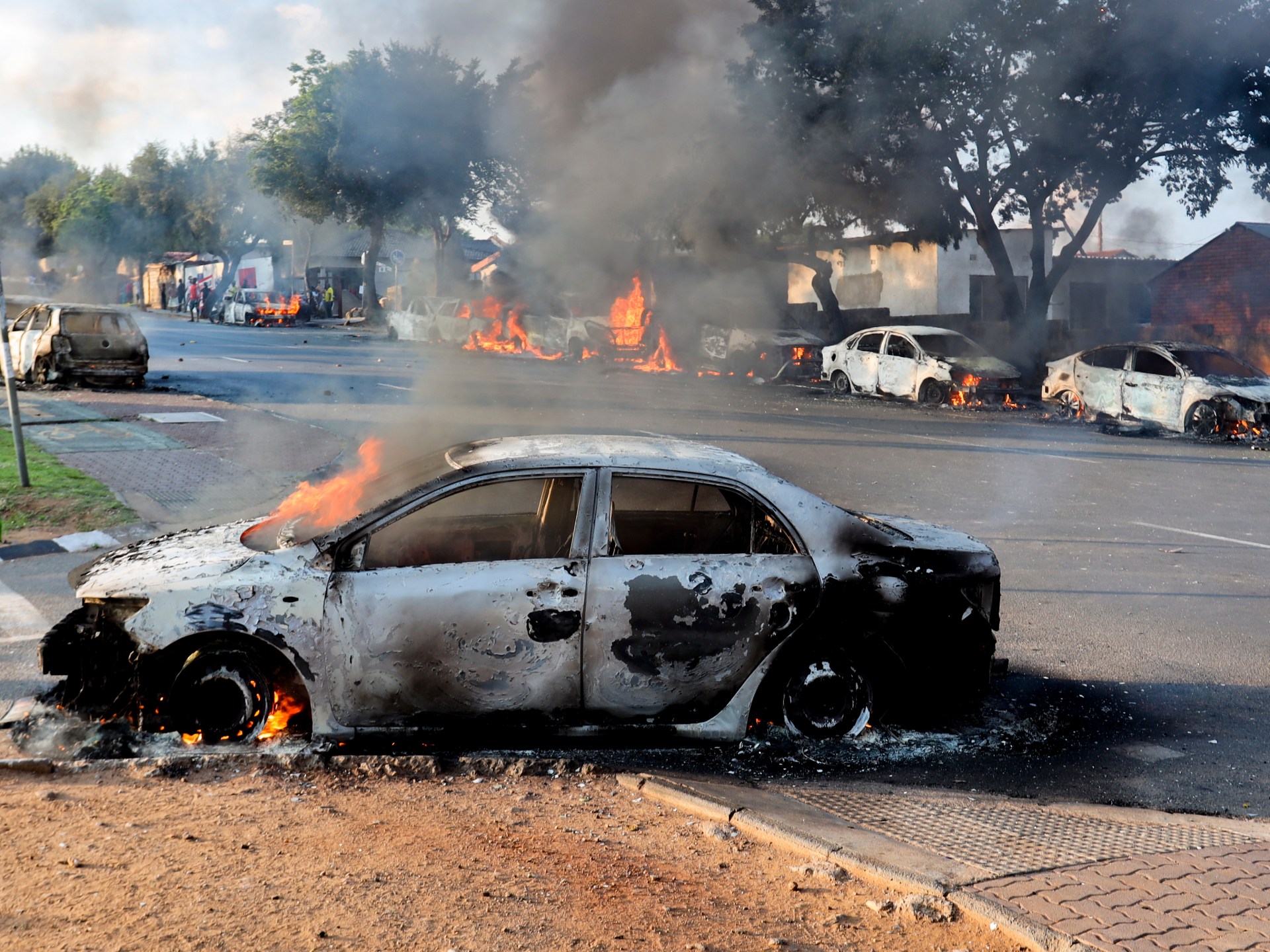
A controversial judicial decision regarding national asylum frameworks has triggered a wave of intense civil unrest across key South African urban centers, most notably in Johannesburg's sprawling township of Soweto and the major coastal trade hub of Durban. The protests, born from simmering public frustration over immigration policies, economic stagnation, and resource allocation, quickly escalated from demonstrations into widespread violence. Multiple passenger and commercial vehicles were torched, thoroughfares were blockaded with burning debris, and law enforcement agencies were deployed in heavy tactical gear to restore public order.
The flashpoint centers on the intersection of national sovereignty, domestic legal interpretations of refugee rights, and the mounting pressures of regional migration. South Africa has long served as a primary destination for migrants and asylum seekers fleeing economic collapse, political instability, and conflict elsewhere on the continent. However, weak economic growth, high unemployment, and strained public infrastructure have intensified local grievances, creating a volatile environment where judicial rulings on immigration become immediate catalysts for broader civil friction.
[Global Trade](/news/wto-upgrades-global-trade-forecast-pakistan-gains-middle-east-disruptions) & Economic Ripples
While the unrest remains concentrated in specific urban neighborhoods, the commercial implications extend into South Africa's broader economic fabric and regional supply chains. Durban serves as one of the African continent's most critical maritime gateways, handling vital import and export cargo that connects landlocked Southern African Development Community (SADC) nations—such as Zimbabwe, Zambia, and Botswana—to international maritime trade routes. Any disruption to logistics, transport corridors, or port-adjacent warehousing directly threatens regional trade velocity and commodity flows.
Furthermore, the forced closure of foreign-run retail and wholesale businesses in Soweto and Durban disrupts micro-economies and localized distribution networks. These enterprises often form the backbone of urban township commerce, supplying affordable consumer goods and maintaining vital trade links with regional agricultural producers and manufacturers. Prolonged instability risks deterring foreign direct investment (FDI) at a time when Pretoria is actively striving to reassure international capital markets regarding its regulatory predictability, internal security, and adherence to the rule of law.
Related Intelligence: WTO Upgrades Global Trade Forecast as Pakistan Gains from Middle East Disruptions
International Reactions & Diplomatic Stances
Regional bodies and international diplomatic missions have closely monitored the unfolding situation, expressing concern over the safety of foreign nationals and the protection of commercial assets. Human rights organizations and migrant advocacy groups have issued urgent calls for the South African government to enforce public safety measures while upholding constitutional protections for vulnerable populations. At the same time, foreign embassies in Pretoria have issued travel advisories, urging expatriates and business personnel to exercise heightened vigilance when navigating affected metropolitan zones.
Economic analysts and credit rating agencies are evaluating the potential spillover effects of domestic social unrest on South Africa's macroeconomic outlook. Persistent xenophobic tensions and civil disruptions impose hidden costs on the economy, dampening consumer confidence and complicating structural reform efforts designed to foster inclusive growth and foreign partnership.
Strategic Outlook & Future Scenarios
Looking ahead, the trajectory of South Africa's socio-political landscape hinges on the government's ability to balance legal compliance with proactive socio-economic intervention. Policymakers face the dual challenge of addressing legitimate public concerns over border management and resource allocation while decisively countering unlawful violence, looting, and intimidation.
Upcoming legislative debates and potential judicial appeals concerning the asylum framework will serve as crucial barometers for the nation's political stability. Without comprehensive strategies to address the root causes of economic disenfranchisement and social friction, South Africa risks recurring cycles of unrest that could continuously test investor sentiment and disrupt its pivotal role as an anchor economy in Southern Africa.
Join Our Official WhatsApp Channel
Receive live commodity alerts, policy changes, and commercial intelligence directly on WhatsApp.