
Meta Faces Scrutiny Over Brazil Election Algorithm Allegations Involving Lula
Internal messages leaked from Meta reveal allegations that algorithms systematically suppressed Luiz Inacio Lula da Silva's digital campaign while boosting Jair Bolsonaro during Brazil's 2022 presidential race.
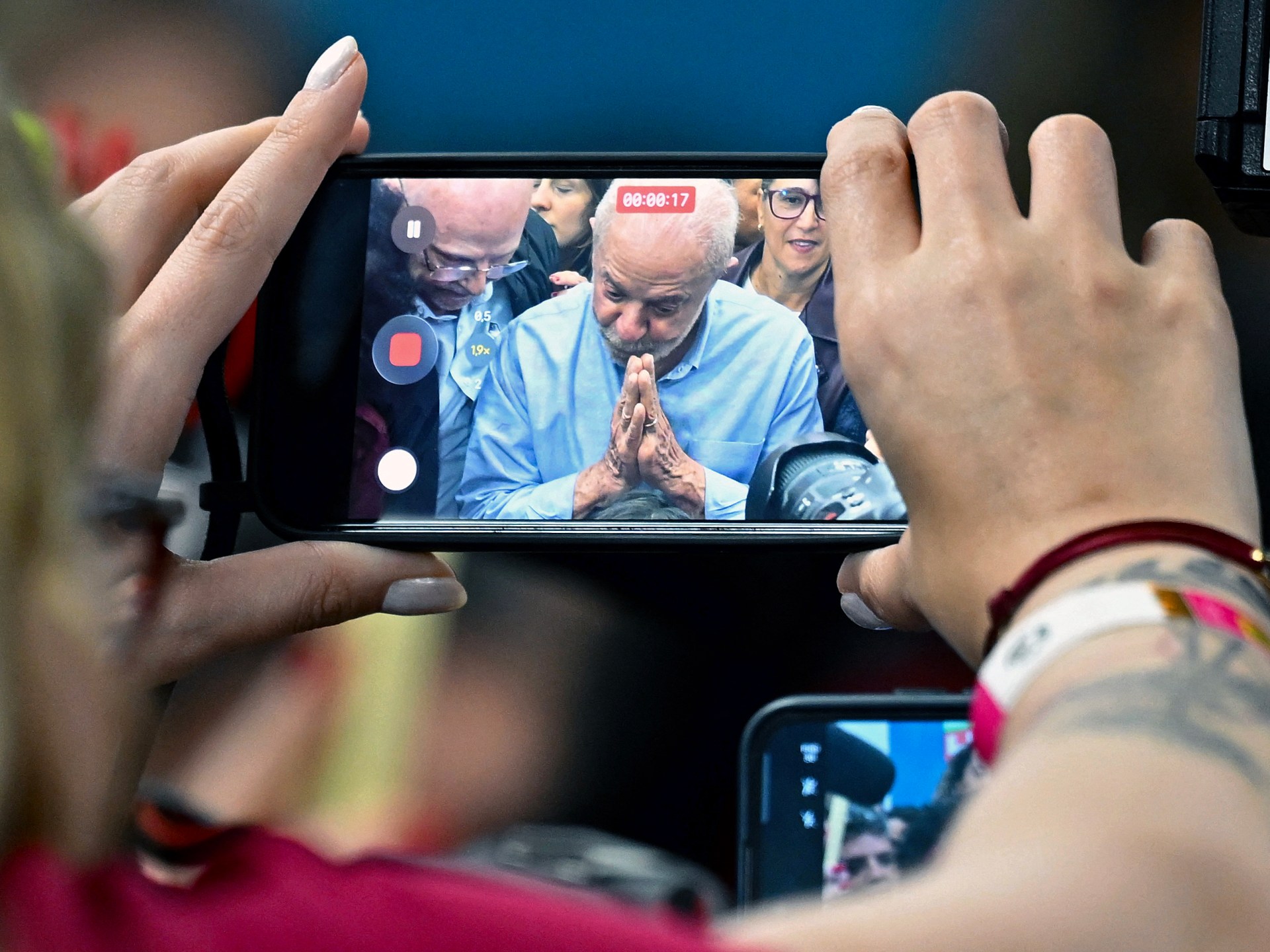
Geopolitical & Core Developments Fresh political turbulence has emerged in Brasilia following investigative reports revealing that internal staff at Meta Platforms voiced concerns regarding algorithmic bias during the high-stakes 2022 [Brazilian presidential](/news/brazil-presidential-runoff-bolsonaro-lula-polling-commodity-impact) election. Internal communications published by Brazilian media outlets indicate that employees raised alarms that the digital reach of then-candidate Luiz Inacio Lula da Silva was artificially restricted on Instagram and Facebook, while algorithms disproportionately recommended profiles and WhatsApp channels affiliated with the incumbent far-right leader, Jair Bolsonaro.
The revelations strike at the heart of Brazil's polarized democratic process. The 2022 election was decided by an exceptionally narrow margin, with Lula securing 50.9 percent of the vote against Bolsonaro's 49.1 percent. Throughout the campaign, the Superior Electoral Court enacted stringent guidelines to counter digital disinformation, placing technology multinationals under unprecedented oversight. The disclosure of Meta's internal dissent suggests systemic operational failures or deliberate algorithmic skewing, reigniting debates over sovereign governance versus the unchecked influence of Silicon Valley conglomerates over foreign democratic institutions.
Global Trade & Economic Ripples While the controversy centers on [digital governance](/news/khawaja-asif-online-exchange-digital-governance), its economic ramifications are directly tied to foreign direct investment and Brazil's regulatory climate. Brazil represents Latin America's largest digital advertising and e-commerce marketplace. Any retaliatory regulatory crackdowns against foreign technology platforms threaten cross-border data flows and the broader service-sector integration between the Americas and global capital.
Furthermore, institutional stability in Brazil directly dictates sentiment in critical physical commodity markets. Brazil is a foundational supplier of global agricultural staples—including soybeans, raw sugar, poultry, and beef—as well as industrial inputs like iron ore and crude petroleum. Persistent institutional friction between political factions and foreign corporations creates domestic political friction that often manifests in currency volatility. Fluctuations in the Brazilian real alter export parity pricing, impacting margins for international trade houses operating across global agricultural supply chains.
Related Intelligence: Government Slashes Domestic Petrol Price by Rs3.93 per Litre
International Reactions & Diplomatic Stances The disclosures have triggered sharp demands for accountability from Brazilian lawmakers aligned with the Workers' Party, who are calling for formal legislative inquiries and antitrust investigations. Legal scholars emphasize that if systemic suppression is legally established, Meta could face unprecedented civil liability and administrative sanctions under Brazil's Marco Civil da Internet.
Meta has maintained that its algorithmic architecture is designed to remain politically neutral, attributing variations in reach to user engagement patterns and automated moderation protocols designed to filter contested claims. Nevertheless, the incident has drawn scrutiny from international digital-rights bodies and multilateral organizations. Observers note that the European Union's regulatory apparatus under the Digital Services Act is closely monitoring the episode as a precedent for enforcing platform neutrality in non-Western jurisdictions.
Strategic Outlook & Future Scenarios The trajectory of this dispute is poised to accelerate Brazil's push for sovereign artificial intelligence frameworks and stricter platform accountability legislation. The Brazilian Congress is likely to revive stalled bills aimed at classifying social media companies as publishers subject to strict transparency obligations, algorithmic audits, and corporate liability for democratic subversion.
In the medium term, this development could push Brazil closer to allied Global South nations advocating for the democratization of global digital governance. As Brazil prepares to host future high-level diplomatic and economic summits, the Lula administration is anticipated to place digital sovereignty and corporate oversight at the forefront of international agendas. Tech conglomerates face an increasingly bifurcated global regulatory landscape where emerging market democracies demand full algorithmic transparency or risk operational severance.
Join Our Official WhatsApp Channel
Receive live commodity alerts, policy changes, and commercial intelligence directly on WhatsApp.