
Rising Western Deportations of Russian Dissidents Trigger Global Human Rights Fallout
Western nations have deported an increasing number of anti-government Russian activists over the past year, prompting severe criticism from international human rights observers and straining diplomatic credibility.
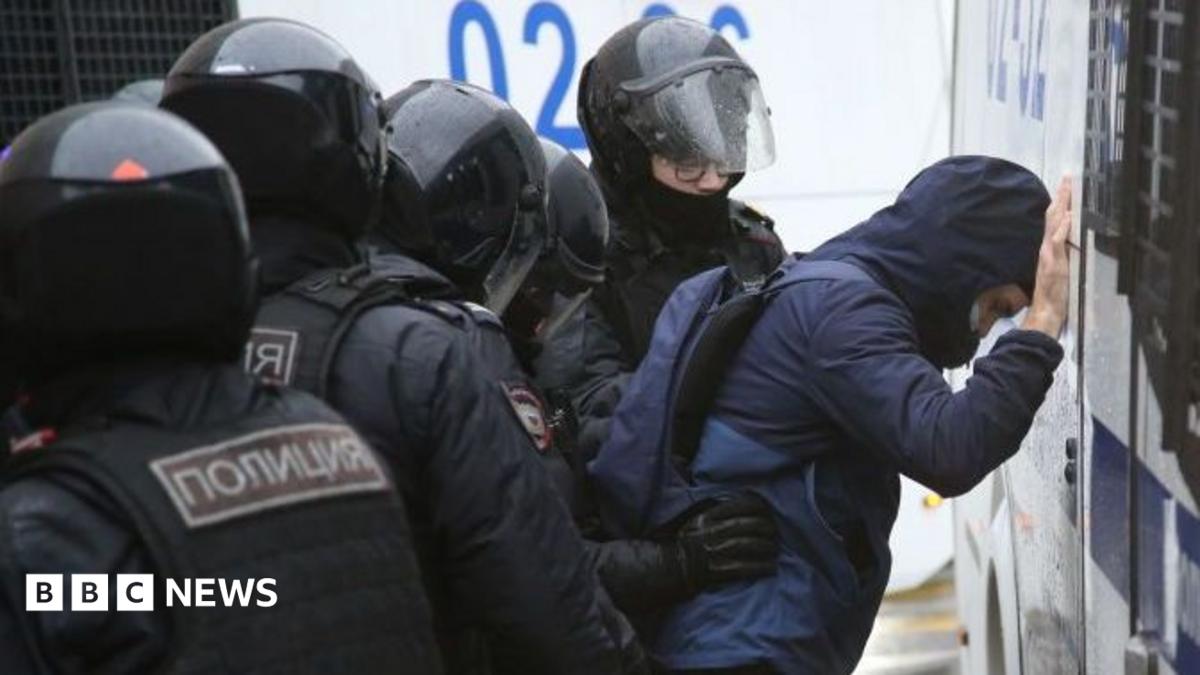
Geopolitical & Core Developments
Over the past twelve months, immigration authorities across the European Union and the United States have presided over a notable escalation in the removal and deportation of Russian nationals, including outspoken anti-Kremlin activists, independent journalists, and draft evaders seeking political asylum. Following the February 2022 escalation of the conflict in Ukraine, hundreds of thousands of Russian citizens fled abroad, many arriving at border crossings in the European Union or utilizing transit pathways through third countries to reach the United States southern border.
However, shifting domestic political pressures, heightened national security concerns, and increasingly rigid immigration enforcement have altered this landscape. Asylum adjudicators and border agencies in several Western jurisdictions have enacted higher evidentiary thresholds for asylum seekers, frequently classifying Russian dissidents under standard irregular migrant removal protocols rather than extending humanitarian protection. The consequence has been a measurable uptick in forced repatriations to the Russian Federation, where returned individuals face arbitrary detention, treason or extremism charges under revised penal statutes, and immediate conscription into the armed forces.
Global Trade & Economic Ripples
While predominantly a humanitarian and border security crisis, the systematic hardening of Western borders to Russian nationals carries tangible economic consequences. The early phases of the Ukraine war initiated unprecedented brain drain and capital flight from Russia, with high-skilled technology professionals, financial specialists, and entrepreneurs relocating to regional hubs such as Georgia, Armenia, Turkey, and Central Asia. A portion of this diaspora sought onward movement to Western economies to access international banking corridors, tech ecosystems, and venture capital.
The growing risk of deportation and entry denial is redirecting human capital and liquidity toward non-aligned jurisdictions. Financial hubs in the Gulf Cooperation Council (GCC) and select Eurasian economies continue to absorb secondary capital flows that might otherwise have integrated into Western service sectors. Concurrently, heightened suspicion surrounding cross-border movements has led international commercial enterprises to reassess compliance obligations, particularly regarding the employment and cross-border payment processing for Russian contractors and professionals operating in limbo under precarious legal statuses.
Related Intelligence: Argentina University Funding Crisis Deepens as Courts Penalize Milei Administration
International Reactions & Diplomatic Stances
Humanitarian bodies and legal aid non-governmental organizations have registered fierce opposition to the forced removals. The United Nations High Commissioner for Refugees (UNHCR) and human rights monitors have reiterated that forced repatriation under current conditions directly conflicts with the principle of non-refoulement enshrined in the 1951 Refugee Convention. Legal advocacy groups argue that returning political dissenters to a state that criminalizes anti-war expression constitutes a flagrant breach of international customary law.
Conversely, Western interior ministries defend their procedures, arguing that every asylum claim is adjudicated individually through established legal frameworks. Officials maintain that national security vetting remains paramount, citing intelligence assessments concerning potential state-sponsored infiltration, espionage, and irregular migration manipulation orchestrated by Moscow. Meanwhile, Russian state authorities have weaponized these deportations domestically, framing them as proof that Western declarations of human rights are fundamentally hypocritical and selective.
Strategic Outlook & Future Scenarios
Looking ahead, Western asylum systems are poised to face intensified legal and moral scrutiny. Upcoming sessions of the European Parliament and judicial challenges before the European Court of Human Rights (ECHR) are expected to test the legality of member states' fast-track deportation policies. Similarly, in the United States, federal courts are confronting lawsuits challenging expedited removal orders for individuals facing demonstrably credible threats of political persecution.
Should the current pace of deportations continue, Western governments risk eroding their soft-power advantage and democratic leverage against authoritarian governance. Geopolitically, the closing of humanitarian escape valves reinforces the Kremlin's domestic stability by discouraging internal dissent and signaling to potential defectors that flight to the West offers no durable guarantee of safety.
Join Our Official WhatsApp Channel
Receive live commodity alerts, policy changes, and commercial intelligence directly on WhatsApp.