
South Africa Commits to High-Risk Security Overhauls Following Nationwide Protests
South Africa has announced sweeping security overhauls across high-risk zones following national outrage over the killings of 12 women, prompting closer scrutiny from international markets regarding social stability.
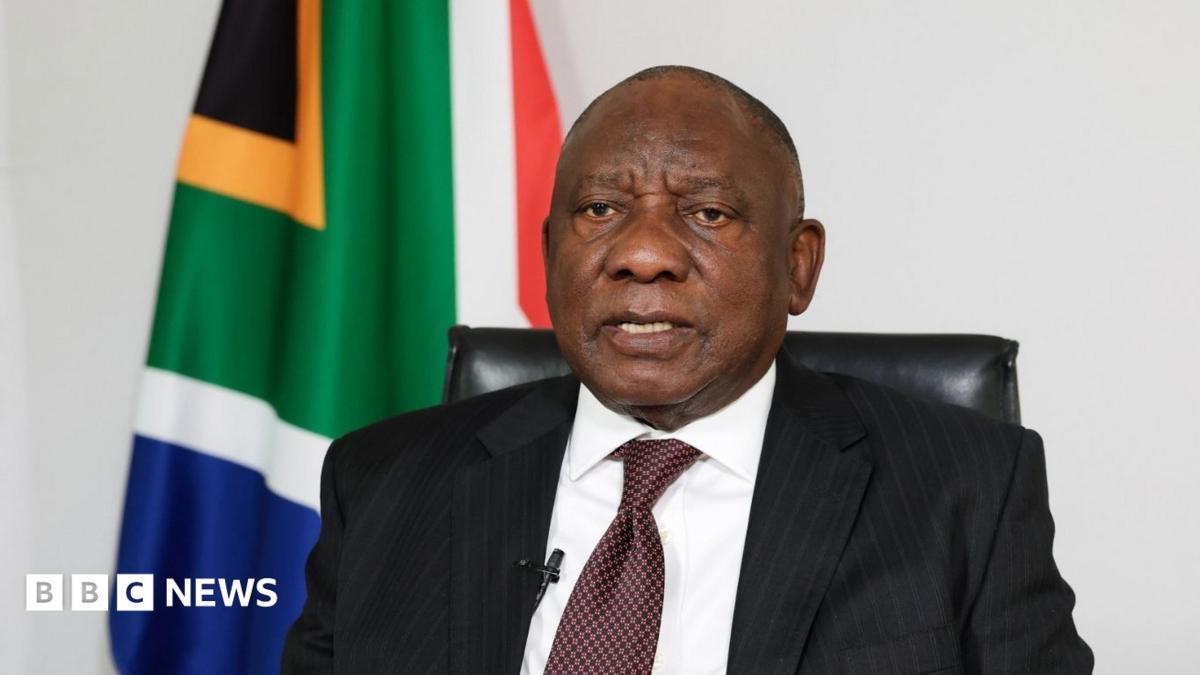
Geopolitical & Core Developments
The South African government has announced a comprehensive security overhaul targeting high-risk areas across the nation following a profound national outcry over gender-based violence. The initiative was catalyzed by the tragic and violent deaths of 12 women in various provinces, an event that laid bare the persistent challenges of law enforcement, municipal safety, and social protection infrastructure in the country. State actors and regional security councils have mobilized emergency task forces to reevaluate policing strategies, increase surveillance in vulnerable zones, and improve emergency response times. This domestic crisis highlights the intricate nexus between internal social stability and the broader governance capacity of the state, drawing intense scrutiny from international observers who track the nation's governance metrics.
Global Trade & Economic Ripples
While the events are fundamentally a domestic social and human rights crisis, persistent civil unrest and systemic security vulnerabilities carry tangible implications for investor confidence and commercial operations within South Africa. As a critical anchor economy on the African continent, South Africa plays an outsized role in regional commodity supply chains, financial services, and foreign direct investment. Prolonged social instability or disruptions in commercial hubs can impact productivity, consumer spending, and labor relations, particularly within mining, agriculture, and retail sectors. International markets closely monitor domestic security conditions as a bellwether for operational risk, currency stability, and the broader predictability of the regional business environment.
Related Intelligence: Uganda Crown Rituals Signal Regional Stability and Governance Shifts
International Reactions & Diplomatic Stances
International bodies, human rights organizations, and foreign diplomatic missions have expressed profound solidarity with South African civil society while emphasizing the urgent need for structural law enforcement reform. The United Nations and various international human rights agencies have reiterated calls for robust legal protections and targeted state interventions to combat systemic violence against vulnerable populations. Global market analysts note that while international partners maintain strong diplomatic ties with Pretoria, the effectiveness of these newly announced security measures will be evaluated closely by multilateral lenders and foreign investors assessing governance and human security indices.
Strategic Outlook & Future Scenarios
Looking ahead, the trajectory of South Africa's security reform will depend heavily on the government's ability to execute meaningful infrastructural and policing changes in marginalized communities. Upcoming legislative sessions and municipal budget allocations will serve as critical indicators of political will to address these structural vulnerabilities. Failure to implement sustainable security solutions risks deepening domestic polarization and dampening foreign investment prospects, whereas successful intervention could restore vital confidence in the state's capacity to protect its citizenry and maintain a stable economic foundation.
Join Our Official WhatsApp Channel
Receive live commodity alerts, policy changes, and commercial intelligence directly on WhatsApp.