
Uganda Crown Rituals Signal Regional Stability and Governance Shifts
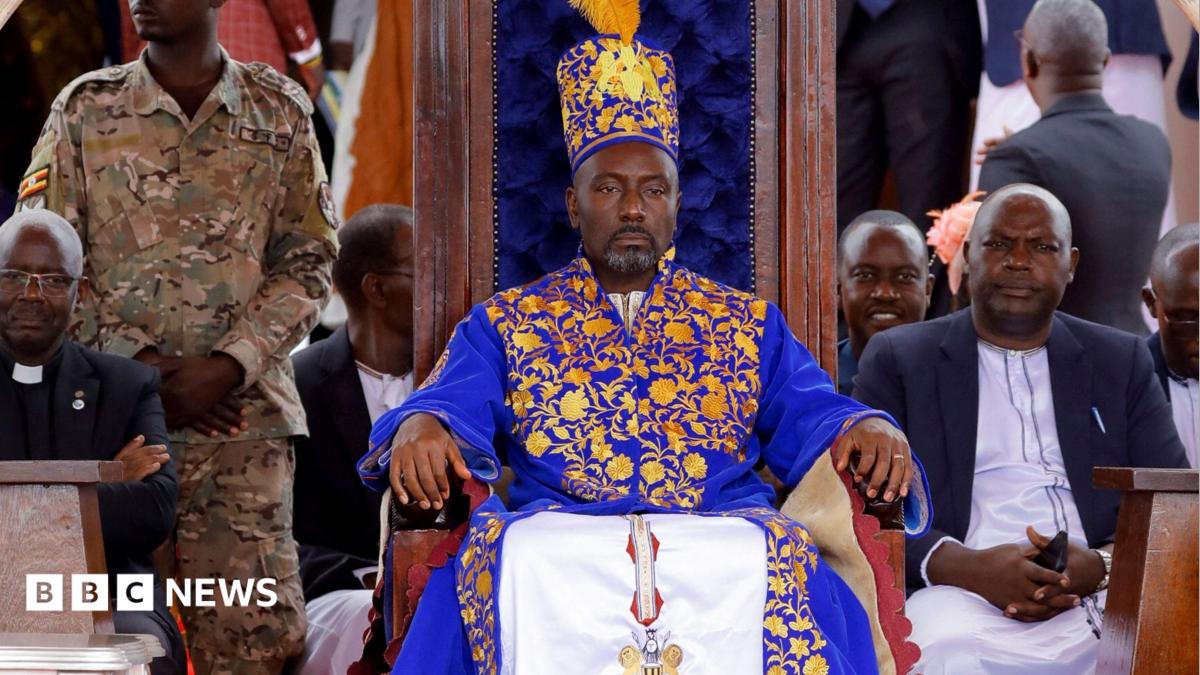
The coronation of Edward Rukidi Nyabongo I as king of Tooro in Uganda underscores the complex interplay between traditional monarchies and central government authority, carrying nuanced economic and geopolitical implications for East Africa.
Geopolitical & Core Developments
The formal coronation of Edward Rukidi Nyabongo I as the monarch of Tooro marks a significant milestone in Uganda's intricate constitutional and traditional landscape. Held in a high-profile ceremony attended by Ugandan President Yoweri Museveni, the event brought into sharp focus the enduring influence of traditional institutions within modern republican governance structures. In sub-Saharan Africa, cultural kingdoms often serve as vital social cohesion mechanisms, bridging gaps between centralized state power and diverse ethnic populations. President Museveni's presence at the ceremony underscores a calculated political strategy: maintaining a delicate balance of power and fostering cooperative alliances with regional cultural leaders to ensure domestic stability. The Tooro kingdom, historically positioned in Uganda's fertile western region, holds strategic importance regarding internal security, land tenure management, and regional integration across the broader East African Community (EAC). As state actors navigate complex governance frameworks, the formalization of traditional leadership provides an institutional anchor that can either mitigate or exacerbate local political friction, depending on how central authorities manage regional autonomy.
Global Trade & Economic Ripples
While traditional coronations are primarily cultural and political events, they intersect directly with international commerce, foreign direct investment (FDI), and agricultural supply chains in the Great Lakes region. Tooro's geographic footprint encompasses rich agricultural lands, tea plantations, and emerging tourism corridors that contribute to Uganda's broader export economy. Stability and perceived political continuity are paramount for international investors eyeing East Africa's agribusiness, infrastructure, and mining sectors. Major commodity trading desks closely monitor events involving political transitions and cultural ceremonies for early indicators of social unrest or policy shifts that could disrupt supply chains. Furthermore, the strengthening of ties between the central government and traditional monarchies reduces investment risk premiums, facilitating smoother cross-border trade flows within the EAC framework. Currency stability in the Ugandan shilling is similarly tied to sustained domestic peace, making successful high-level political and cultural events a positive indicator for regional macroeconomic indicators monitored by global financial institutions.
Related Intelligence: Riyadh and Abu Dhabi Hold High-Level Talks Amid Regional Security Crisis
International Reactions & Diplomatic Stances
International observers, diplomatic missions, and multilateral bodies closely track developments in Uganda given its pivotal role in regional security operations, refugee hosting, and East African diplomacy. While foreign governments typically view traditional coronations as internal matters, international development agencies and trade partners evaluate these events through the lens of governance, human rights, and political inclusivity. Multilateral institutions operating in the region emphasize the importance of constructive dialogue between central governments and traditional authorities to promote sustainable development and equitable resource distribution. Market analysts note that international reaction remains cautiously optimistic, prioritizing uninterrupted trade routes and regional counter-terrorism cooperation over internal political nuances. Diplomatic missions in Kampala continue to engage with both state officials and cultural leaders to ensure that regional stability remains uncompromised amid evolving governance dynamics.
Strategic Outlook & Future Scenarios
Looking ahead, the trajectory of the Tooro kingdom under Edward Rukidi Nyabongo I will likely serve as a barometer for the durability of traditional institutions in contemporary African states. As Uganda approaches future electoral cycles and navigates complex geopolitical tensions in the Horn of Africa and the Great Lakes region, the alignment between President Museveni's administration and cultural kingdoms will remain a critical variable for national cohesion. Upcoming regional summits within the East African Community will test the member states' ability to harmonize economic policies while managing domestic political transitions. Investors and strategic planners must remain vigilant, factoring potential governance shifts and local regulatory adjustments into long-term risk assessments across East African commodity and energy markets.
Join Our Official WhatsApp Channel
Receive live commodity alerts, policy changes, and commercial intelligence directly on WhatsApp.