
South Africa Deputy Police Chief Resigns Amid Corruption and Criminal Charges
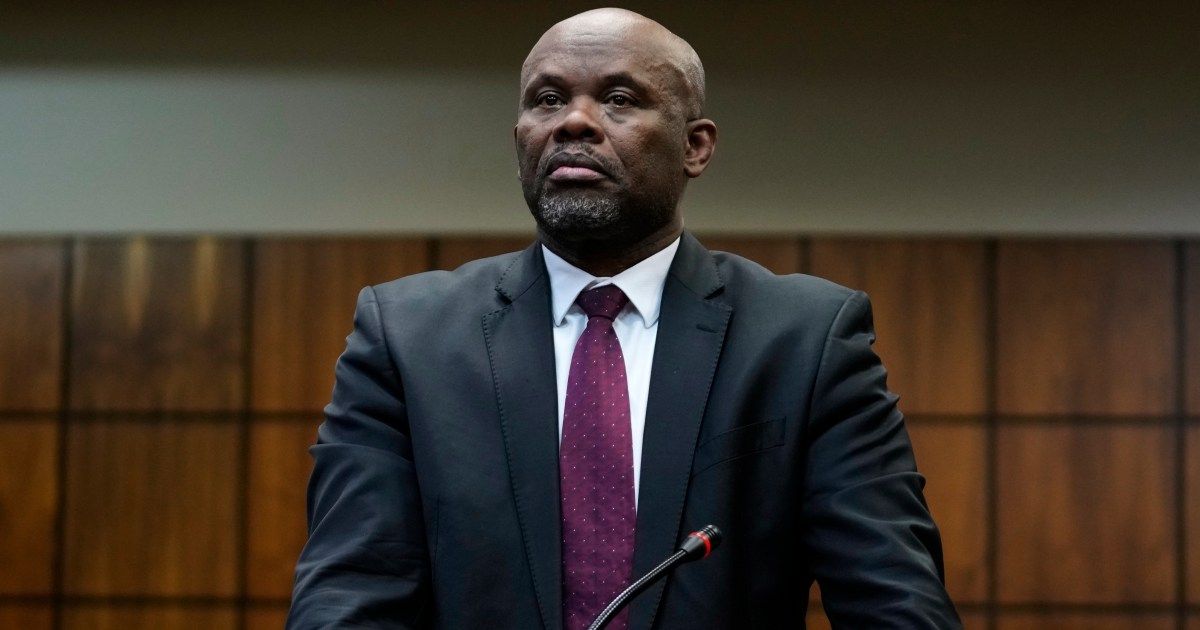
South Africa's deputy police chief Shadrack Sibiya resigned following his arrest on grave criminal charges, exacerbating governance concerns across Africa's most industrialized economy.
Geopolitical & Core Developments
South Africa's law enforcement leadership faced a profound institutional tremor this week following the formal resignation of Deputy National Police Commissioner Shadrack Sibiya. Sibiya, who remains remanded in custody following his arrest late last month, tendered his resignation to National Police Commissioner Fannie Masemola and Police Minister Senzo Mchunu. The senior official faces severe charges comprising statutory rape, human trafficking, child grooming, and systemic corruption, all of which he has formally denied through legal counsel.
Sibiya’s departure marks a critical juncture for the South African Police Service (SAPS), an institution already beleaguered by persistent allegations of politicization, patronage networks, and structural inefficiency. As second-in-command overseeing operational crime detection and intelligence assets, Sibiya wielded considerable influence within national security structures. His legal entanglements have renewed public outrage and exposed vulnerabilities within the state's vetting procedures. The scandal unfolds against the backdrop of South Africa's fragile Government of National Unity (GNU), where ministerial oversight of internal security portfolios remains heavily scrutinized by coalition partners and civil society watchdogs demanding systemic governance overhauls.
Global Trade & Economic Ripples
The deepening governance deficit within South Africa’s premier law enforcement body directly influences macroeconomic sentiment and investor confidence. While direct commodity supplies remain operational, institutional decay across security services compounds systemic vulnerabilities within vital supply chains. Organized criminal syndicates, procurement corruption, and extortion networks have consistently impaired logistics along key freight networks, notably disrupting state logistics operator Transnet's rail corridors and export operations at critical maritime gateways such as the Port of Durban.
For international trading houses and multinational corporations involved in the extraction of platinum group metals, chrome, and manganese, elevated security and operational risk premiums remain an ongoing headwind. Global credit rating agencies and multinational risk analysts continually emphasize institutional integrity and the rule of law as primary metrics evaluating South Africa's sovereign risk. A compromised police command undermines coordinated enforcement against illicit mining, cross-border smuggling, and critical infrastructure vandalism, dampening capital expenditure from global enterprises sensitive to legal certainty and personal security protocols.
Related Intelligence: Peshawar Reopens Schools Amid High Security and Section 144 Curbs
International Reactions & Diplomatic Stances
International reactions have centered on institutional governance, human rights, and rule of law parameters. Diplomatic missions in Pretoria, while deferring to the sovereign legal process, are monitoring the proceedings closely given South Africa's regional role as a linchpin for Southern African Development Community (SADC) security architecture. Multilateral human rights organizations have highlighted the severity of the allegations, calling for uncompromised transparency and an independent judicial process insulated from political interference.
Financial and compliance intelligence bodies, including international observers monitoring South Africa's efforts to exit the Financial Action Task Force (FATF) "grey list," view high-level integrity failures within police hierarchies as a critical bellwether. Analysts observe that while the state's willingness to prosecute a sitting deputy commissioner reflects judicial independence and investigative tenacity within specialized anti-corruption units, it simultaneously underscores the pervasive depth of integrity compromises among state security leadership.
Strategic Outlook & Future Scenarios
The immediate focus shifts to the magistrate court proceedings, where Sibiya’s defense team is expected to mount aggressive bail applications against state opposition. At the ministerial level, Police Minister Senzo Mchunu faces urgent calls to initiate sweeping structural audits across the senior echelons of SAPS, potentially implementing enhanced vetting procedures and external oversight mechanisms.
Over the medium term, the stability of South Africa's security apparatus will significantly influence broader sovereign reform efforts under the coalition administration. If the state demonstrates successful, transparent prosecution without executive shielding, it could bolster external assessments of democratic resilience. Conversely, prolonged institutional paralysis risks further eroding public trust, discouraging long-term foreign direct investment, and exacerbating crime syndicates operating across regional trade corridors.
Join Our Official WhatsApp Channel
Receive live commodity alerts, policy changes, and commercial intelligence directly on WhatsApp.