
Iran Demands Billions from Shadow Intermediaries in Sanctions Evasion Network
Iran is grappling with billions in unpaid oil revenues trapped within opaque intermediary networks designed to circumvent US energy sanctions, triggering severe domestic budgetary pressures.
Geopolitical & Core Developments
Iran's Ministry of Petroleum and judicial authorities have initiated comprehensive investigations into a vast network of third-party intermediaries that owe the state billions of dollars from illicit crude export transactions. Since the unilateral withdrawal of the United States from the Joint Comprehensive Plan of Action (JCPOA) in 2018 and the reimposition of comprehensive secondary sanctions, Tehran has relied extensively on private middlemen, shell corporations, and shadowy broker networks to market its petroleum abroad. Under this decentralized arrangement, private handlers facilitate the transport, ship-to-ship transfers, and covert transactions of Iranian heavy crude to overseas buyers, predominantly in East Asia.
However, state auditors and regulatory watchdogs in Tehran have increasingly raised alarms regarding vast financial discrepancies. Billions of dollars in crude proceeds remain trapped abroad or unremitted by independent brokers who cite frozen foreign banking channels, regulatory seizures, or volatile black-market exchange hurdles. The issue echoes historic corruption cases, such as the high-profile prosecution of tycoon Babak Zanjani a decade ago, illustrating systemic structural vulnerabilities inherent in state-sponsored sanctions evasion. Facing heavy fiscal deficits and escalating operational costs, Tehran is now moving aggressively to recover sovereign assets from these intermediary syndicates.
Global Trade & Economic Ripples
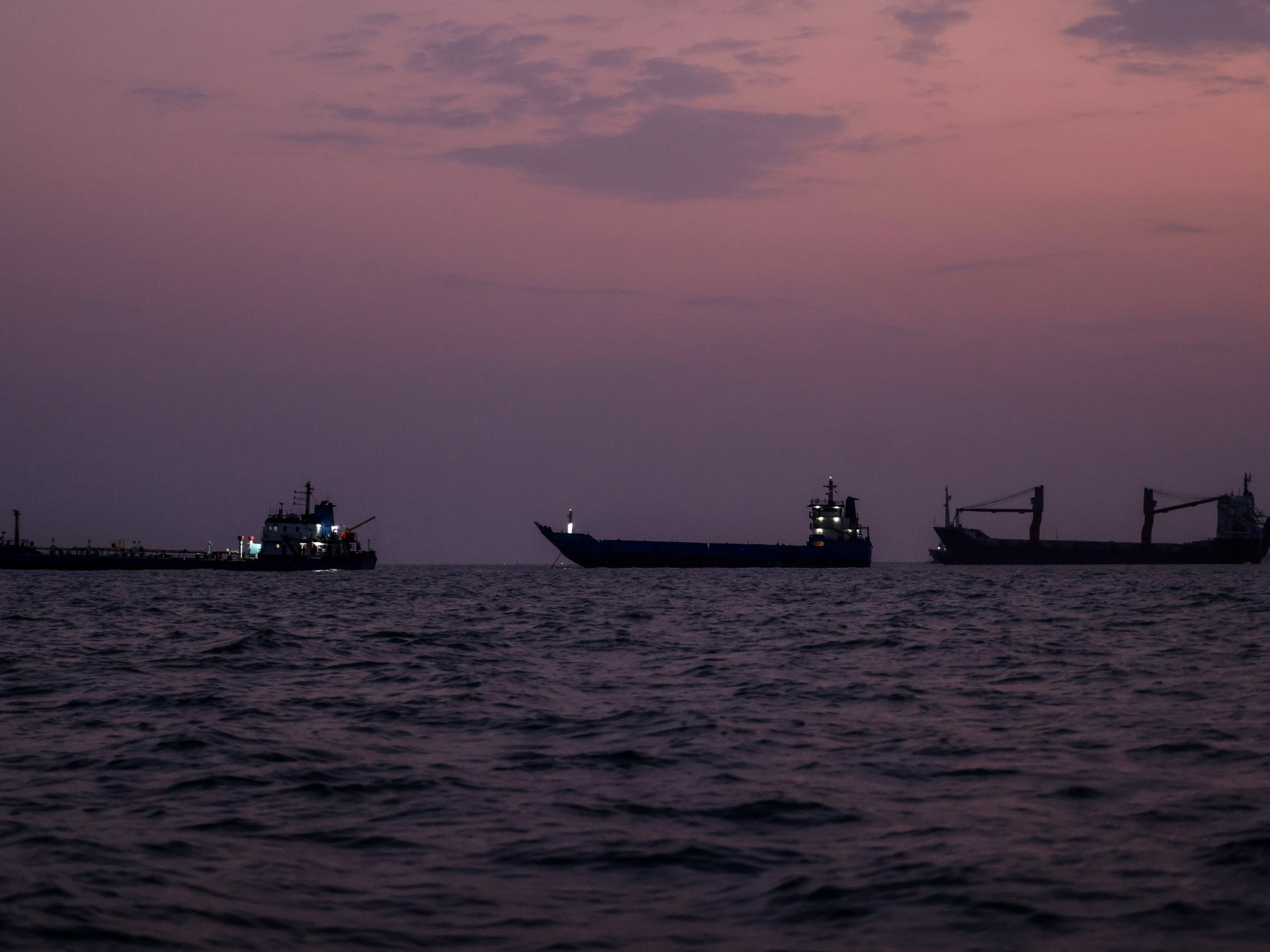
The revelation of vast unremitted sums underscores the high operational costs and systemic inefficiencies embedded in illicit global energy trade. To disguise origin, Iranian crude is regularly integrated into the 'shadow fleet' of aging tankers, traversing unmonitored maritime corridors through the Persian Gulf, the Malacca Strait, and Southeast Asian territorial waters. This process introduces severe structural frictions: steep trading discounts, inflated broker commissions, and currency conversion losses that erode net revenues by an estimated twenty to thirty percent compared to benchmark Brent prices.
Furthermore, these missing cash flows complicate global supply-demand balances. Private intermediaries, facing state demands for recovery, may dump stored crude inventory into physical markets at steep discounts to liquidate debts quickly, creating local distortions in spot Asian trading hubs like Singapore and Shandong. The friction also limits Tehran's capital expenditures in domestic upstream maintenance, capping long-term extraction capacity and altering supply calculations across the Organization of the Petroleum Exporting Countries and its allies (OPEC+).
Related Intelligence: South Africa Deputy Police Chief Resigns Amid Corruption and Criminal Charges
International Reactions & Diplomatic Stances
Western regulatory authorities view these revelations as empirical evidence that enforcement regimes are effectively imposing structural penalties on targeted states. The US Department of the Treasury's Office of Foreign Assets Control (OFAC) has maintained its aggressive campaign of designating secondary brokers, maritime firms, and front companies in jurisdictions such as the United Arab Emirates, Hong Kong, and Panama, exacerbating the logistical bottlenecks Iranian middlemen face.
Energy analysts in Europe and North America note that the state's public pushback against its own logistics networks points to unprecedented domestic liquidity stress. While Iranian officials publicly frame the issue as purely contractual and administrative disputes, regional macroeconomists observe that internal systemic corruption and political leverage between hardline state factions and merchant oligarchs continue to obstruct the transparent repatriation of public funds.
Strategic Outlook & Future Scenarios
Moving forward, Tehran's attempt to reign in errant intermediaries presents a delicate balancing act. An overly aggressive domestic judicial crackdown risks discouraging remaining broker networks, potentially freezing immediate foreign exchange liquidity at a critical geopolitical juncture. Conversely, inaction risks entrenching structural fiscal deficits that accelerate domestic inflation and public discontent.
As Western powers consider tightening secondary sanctions on maritime insurance and regional bunkering hubs, the operational margins for Iran's shadow traders will narrow further. The state will likely transition toward more centralized, sovereign-level bilateral barter mechanisms—exchanging raw petroleum directly for industrial capital goods and essential commodities—thereby marginalizing private intermediaries in favor of state-to-state transactional agreements with sympathetic trading partners.
Join Our Official WhatsApp Channel
Receive live commodity alerts, policy changes, and commercial intelligence directly on WhatsApp.