
Social Media Governance and Platform Bias Spark Political Volatility in Brazil
Allegations of algorithmic bias and censorship by tech giant Meta during Brazil's presidential campaign have amplified regulatory tensions, posing broader risks to market stability and foreign investment.
Geopolitical & Core Developments
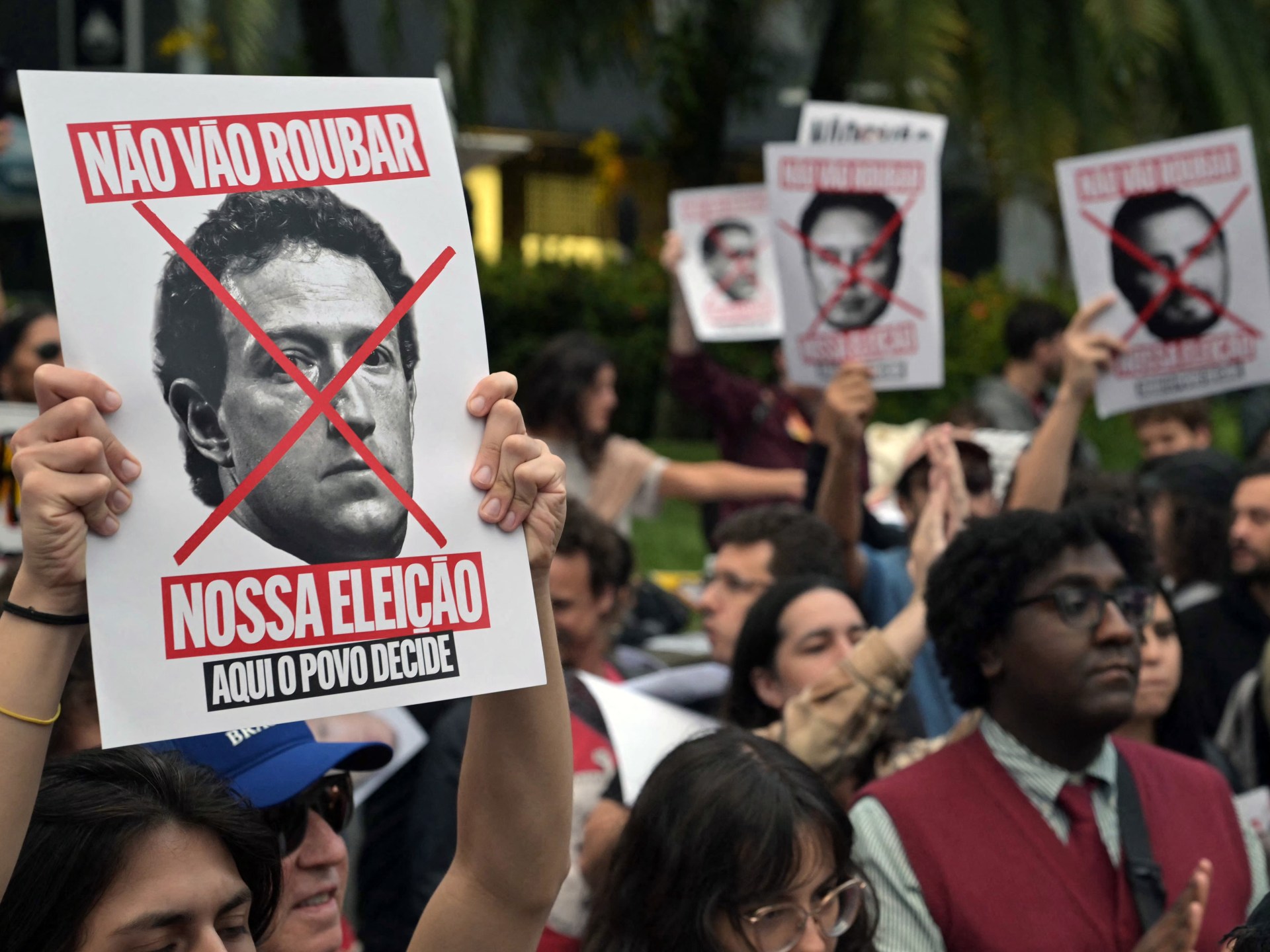
The intersection of digital platform architecture and sovereign democratic processes has emerged as a central battleground in Brazil's high-stakes presidential contest. Tensions escalated sharply following allegations from political factions allied with President Luiz Inacio Lula da Silva, accusing tech conglomerate Meta of suppressing left-leaning campaign material while disproportionately amplifying narratives favorable to former President Jair Bolsonaro. These claims have thrust social media governance into the epicenter of Latin America's primary geopolitical arena, forcing state regulators and electoral tribunals to confront the cross-border influence of multinational digital monopolies.
The Brazilian Superior Electoral Court (TSE) has expanded judicial mandates to monitor digital discourse, targeting perceived election interference, algorithmic favoritism, and foreign digital sovereignty. This dynamic reflects deeper structural friction between state institutions asserting digital self-determination and transnational platforms operating under decentralized, commercial algorithmic models. As electoral contestation accelerates, the platform dispute risks destabilizing democratic norms and intensifying existing polarization across federal institutions, with international observers closely monitoring how Brasília's regulatory precedents could reshape digital political discourse globally.
Global Trade & Economic Ripples
Brazil stands as an economic powerhouse within the Global South, functioning as a primary global supplier of agricultural soft commodities, iron ore, and crude energy. Institutional friction triggered by electoral platform disputes directly impacts sovereign risk metrics and the valuation of the Brazilian real (BRL). Prolonged digital or constitutional gridlock creates volatility in domestic asset pricing, dampening risk appetite for foreign direct investments across Brazil's resource-heavy export industries.
Institutional instability carries direct implications for agricultural logistics and industrial supply chains centered in the Santos and Paranaguá ports. Unsettled institutional leadership and civil discontent threaten key agricultural corridors responsible for dominant global shares of soybeans, corn, and sugar exports. Furthermore, the prospect of aggressive antitrust penalties or operational constraints against Western tech giants introduces systemic headwinds for Brazil's expanding digital services economy, prompting multinational venture capital to factor in heightened legal and compliance costs when allocating capital across Latin America.
Related Intelligence: Iran Enriched Uranium Stockpiles Complicate Indirect Negotiations with United States
International Reactions & Diplomatic Stances
Multilateral bodies and sovereign governments have maintained close scrutiny over the dispute. The Organization of American States (OAS) electoral observation missions have reiterated the necessity for transparent algorithmic mechanisms and equal access for competing political coalitions. United Nations entities monitoring freedom of expression have underscored that sovereign regulatory interventions must strictly balance information integrity with protections against excessive state censorship.
Meanwhile, regulatory authorities in the United States and the European Union view the developments through the lens of diverging approaches to digital sovereignty. European regulators consider Brazil's robust judicial stance aligned with the framework of the Digital Services Act, which demands platform accountability and operational audits. Conversely, tech industry analysts based in North America caution that arbitrary local judicial enforcement against global platforms sets a destabilizing international standard, fragmenting cross-border operational consistency.
Strategic Outlook & Future Scenarios
The trajectory of platform oversight in Brazil will depend heavily on legislative follow-through, primarily through the proposed "Fake News Bill" (Bill 2630). If formalized into federal law, the statute will establish stringent corporate liability guidelines, mandatory algorithmic transparency audits, and heavy financial penalties for non-compliant foreign corporations. Such an outcome would cement Brasília as a pioneer in non-Western platform regulation.
In the near term, elevated domestic political polarization will maintain pressure on foreign exchange markets and domestic debt securities. Should institutional disputes over platform enforcement escalate into broader legislative or judicial standoffs, risk premia across Brazilian sovereign debt will expand. Ultimately, Brazil’s confrontation with Meta serves as a critical test case for how sovereign states assert jurisdictional power over transnational digital infrastructure during highly sensitive electoral cycles.
Join Our Official WhatsApp Channel
Receive live commodity alerts, policy changes, and commercial intelligence directly on WhatsApp.