
Seoul Demands Pyongyang Apology Over DMZ Blasts Amid Escalating Tensions
South Korea demands a formal apology from North Korea over DMZ landmine blasts, while Pyongyang denies responsibility, escalating geopolitical tensions and regional economic concerns.
Geopolitical & Core Developments
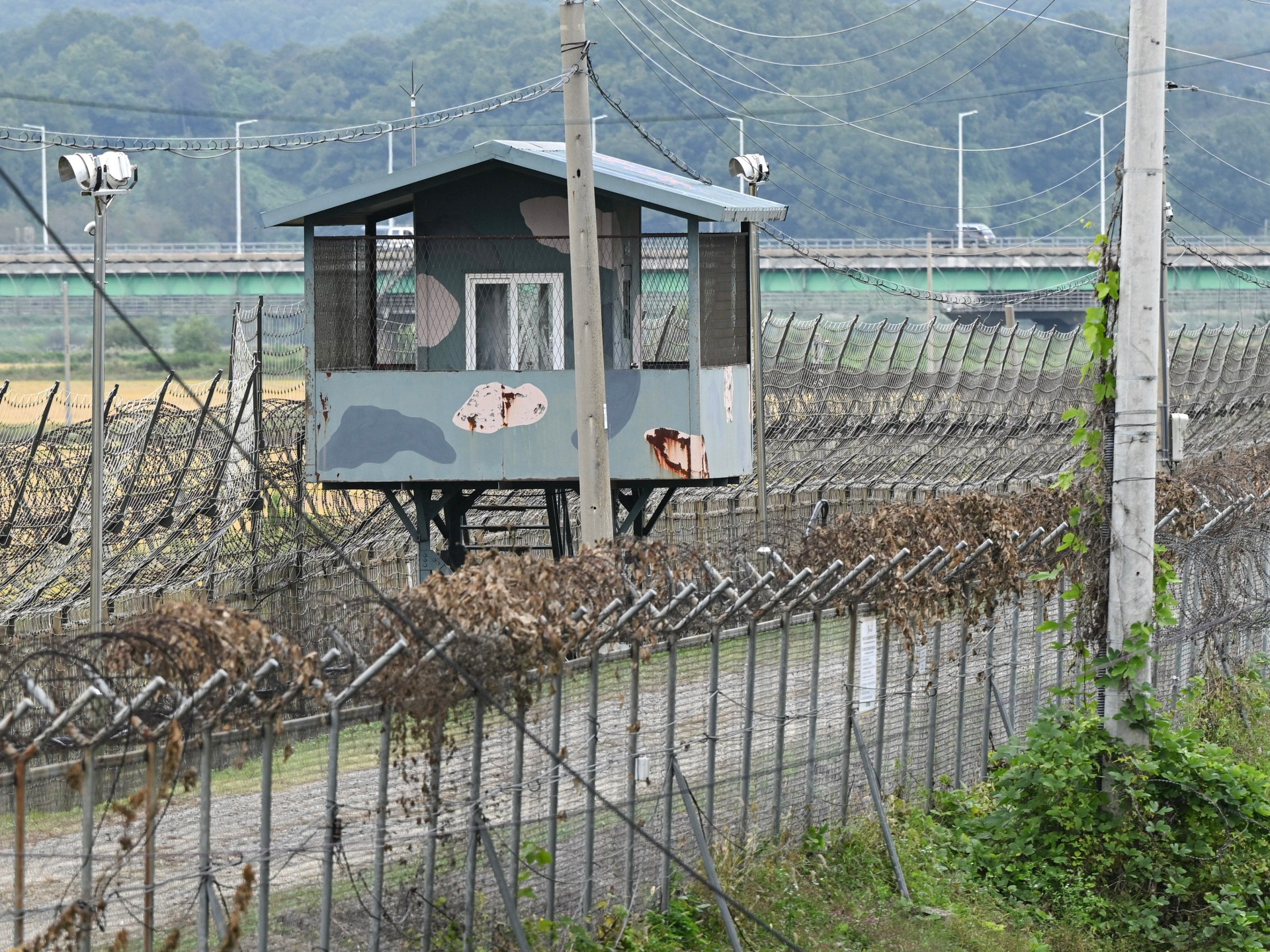
Tensions on the Korean Peninsula have reached a critical juncture following a series of violent landmine explosions within the Demilitarized Zone (DMZ) that resulted in severe injuries to three South Korean soldiers. Seoul has formally accused Pyongyang of orchestrating a deliberate provocation by planting the explosive devices across the Military Demarcation Line, prompting an immediate demand for an official apology and accountability from the North Korean leadership. The incident marks one of the most serious security breaches in the heavily fortified border region in recent years, threatening to unravel fragile military confidence-building measures established under previous diplomatic accords.
North Korea has flatly rejected South Korea's accusations, issuing counter-statements that dismiss the allegations as fabrication and propaganda designed to stoke confrontation. The outright denial by Pyongyang has precluded any immediate diplomatic resolution, leaving military commanders on both sides on high alert. The United Nations Command, which oversees the armistice agreement, has launched an independent investigation into the incident, reviewing surveillance footage and physical evidence from the blast site to determine the exact sequence of events and assign responsibility under international armistice terms.
Global Trade & Economic Ripples
While the immediate crisis remains concentrated within the security sphere, the renewed hostilities carry profound implications for international trade, global commodity markets, and regional supply chain stability. Northeast Asia serves as a vital anchor for the global economy, housing critical manufacturing hubs, advanced semiconductor fabrication facilities, and key maritime shipping lanes. Any sustained military escalation or heightened risk perception in the region directly impacts investor sentiment toward South Korean financial markets, leading to increased volatility in the South Korean Won and regional equities.
Global energy markets and shipping conglomerates are closely monitoring the situation for potential spillover effects on regional logistics. Although physical trade routes through the Yellow Sea and surrounding waters remain operational, shipping insurers are beginning to reassess risk premiums for vessels transiting near Korean territorial waters. Furthermore, prolonged geopolitical instability on the peninsula inevitably diverts international capital, impacting foreign direct investment and forcing multinational corporations operating in South Korea to review their contingency and business continuity plans.
Related Intelligence: Lebanese Prison Hunger Strike Deepens National Crisis and Regional Instability
International Reactions & Diplomatic Stances
The international community has responded with deep concern, urging both nations to exercise maximum restraint to prevent a wider military conflict. The United Nations has called for urgent dialogue through established military communication channels to de-escalate the situation and avoid miscalculations that could lead to open hostilities. Western allies, including the United States, have expressed unwavering support for South Korea's security stance, condemning any actions that violate the armistice agreement and compromise regional stability.
Diplomatic analysts and regional experts suggest that the incident underscores the failure of existing bilateral security architectures to manage persistent hostility. Major trading partners and multilateral bodies are emphasizing the necessity of reviving high-level diplomatic engagement to prevent the crisis from cascading into broader economic sanctions or retaliatory military maneuvers. Market analysts note that international financial institutions are maintaining a cautious stance, pricing in potential geopolitical risk premiums until diplomatic channels yield a verifiable de-escalation framework.
Strategic Outlook & Future Scenarios
Looking ahead, the trajectory of inter-Korean relations hinges on how Seoul chooses to enforce its demand for accountability and Pyongyang's willingness to engage with international investigators. South Korea has indicated it is weighing a series of proportionate countermeasures, which could include the resumption of psychological warfare broadcasts across the border or the implementation of unilateral economic restrictions. Such measures would likely provoke asymmetric retaliation from North Korea, initiating a cycle of escalation that could persist for months.
Upcoming diplomatic summits and multilateral gatherings will provide crucial testing grounds for international diplomacy. As global powers navigate overlapping crises in Europe and the Middle East, managing the Korean Peninsula crisis remains a critical priority for maintaining global macroeconomic stability. The medium-term outlook suggests a protracted period of heightened vigilance, where trade participants must navigate persistent geopolitical friction and prepare for potential disruptions in one of the world's most dynamic economic zones.
Join Our Official WhatsApp Channel
Receive live commodity alerts, policy changes, and commercial intelligence directly on WhatsApp.