
Dangote Advances Kenya Refinery Project Amid Local Resistance
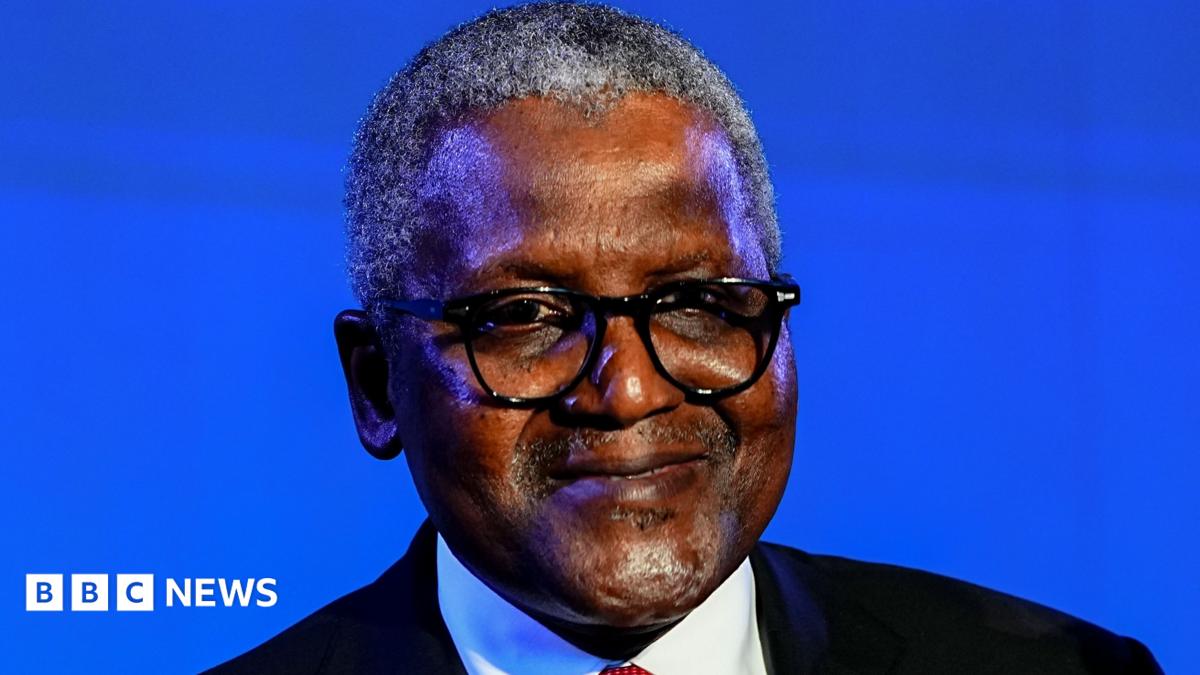
Africa's richest man, Aliko Dangote, is pressing ahead with a major Kenyan oil refinery project despite fierce local land protests, aiming to reshape continental industrialization by 2030.
Geopolitical & Core Developments
Aliko Dangote, Africa's wealthiest industrialist, is advancing plans to construct a high-capacity oil refinery in Kenya, a flagship initiative designed to anchor his broader strategy for continental industrial integration by 2030. The project, spearheaded by the Dangote Group, represents a monumental capital injection into East Africa's energy infrastructure. However, the path to realization is fraught with domestic opposition. Local communities and landowners have mounted sustained protests, citing inadequate compensation, opaque land acquisition processes, and the looming threat of environmental degradation in agricultural and coastal zones. State actors in Nairobi find themselves balancing the imperative of securing foreign direct investment and large-scale infrastructure development against constitutional protections for landowners and mounting populist discontent.
Global Trade & Economic Ripples
The establishment of a major refining hub in East Africa carries profound implications for global energy markets and regional trade routes. Historically, East African nations have exported crude while relying heavily on refined petroleum imports from the Middle East and Asia, creating persistent trade deficits and vulnerability to international price volatility. By processing domestic and regional crude oil locally, the Dangote refinery is positioned to streamline supply chains, curtail outbound currency leakage, and stabilize refined product pricing across the Horn of Africa. This shift threatens to displace traditional fuel exporters to the region, forcing international trading houses to recalibrate their shipping logistics and long-term supply contracts. Furthermore, the project underscores a broader structural shift within developing economies toward domestic value addition, challenging traditional commodity export models.
Related Intelligence: Lebanese Prison Hunger Strike Deepens National Crisis and Regional Instability
International Reactions & Diplomatic Stances
Multilateral financial institutions and international energy analysts have offered a mixed reception to the development. Representatives from the World Bank and various trade bodies have praised the private sector's willingness to commit billions of dollars to critical infrastructure deficits in emerging markets. Conversely, international human rights organizations and environmental watchdogs have urged both the Kenyan government and the Dangote Group to institute more rigorous consultation protocols. Diplomatic missions in Nairobi are closely monitoring the standoff, acutely aware that the project's success or failure will serve as a bellwether for foreign investor confidence in East Africa's regulatory framework and rule of law.
Strategic Outlook & Future Scenarios
Looking ahead, the trajectory of the Dangote refinery will depend heavily on the Kenyan judiciary's handling of land acquisition injunctions and the corporate group's willingness to renegotiate compensation packages with affected communities. Should the conglomerate successfully navigate these domestic hurdles, the facility could serve as a catalyst for expanded intra-African trade under the African Continental Free Trade Area (AfCFTA) framework. Conversely, prolonged litigation and civil unrest risk setting a costly precedent for mega-infrastructure projects across the continent, potentially deterring risk-averse institutional capital from entering the region's burgeoning energy sector.
Join Our Official WhatsApp Channel
Receive live commodity alerts, policy changes, and commercial intelligence directly on WhatsApp.