
Gaza Strike Casualties Deepen Middle East Crisis and Supply Risks
A disputed military strike in Gaza leaves a young girl severely wounded, escalating regional tensions and heightening risks for global supply chains and energy markets.
Geopolitical & Core Developments
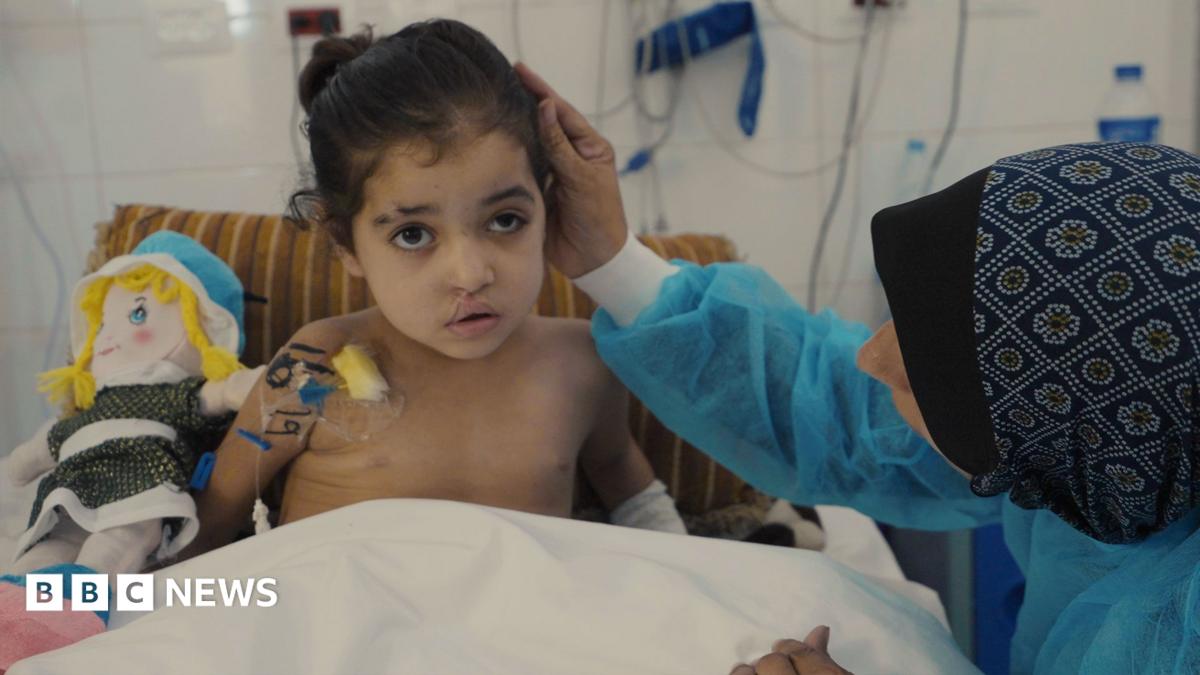
The ongoing conflict in the Middle East has entered a deeply volatile phase, underscored by localized incidents that carry profound strategic implications. According to eyewitness accounts, a recent strike executed by an Israeli military helicopter targeted a civilian tent enclosure in Gaza, resulting in multiple critical injuries, notably affecting a young girl named Raseel, who has since undergone multiple complex surgeries to control severe infections. In stark contrast to the eyewitness testimonies, the Israel Defense Forces (IDF) have stated that they possess no operational record of the reported strike. This discrepancy highlights the persistent intelligence and verification challenges plaguing the theater of operations. As diplomatic channels struggle to establish a permanent ceasefire, the humanitarian crisis continues to deteriorate, further entrenching the strategic stalemate between state and non-state actors in the region.
Global Trade & Economic Ripples
While the immediate human toll remains the primary focus of international observers, the broader commercial ramifications for global trade and commodity markets are increasingly severe. The persistent instability in the Levant and the wider Middle East directly threatens critical maritime choke points, including the Bab el-Mandeb strait and the Suez Canal. Prolonged security deficits in these vital shipping lanes force global container lines to reroute vessels around the Cape of Good Hope, adding significant transit time and inflating operational overheads. Furthermore, energy markets remain highly sensitive to geopolitical flashpoints in the region. Although physical crude oil supplies have not suffered immediate, sustained interruptions, persistent conflict premium pricing continues to inject volatility into Brent and WTI crude benchmarks, impacting downstream refining margins and escalating international freight costs across global supply chains.
Related Intelligence: French General Strikes Disrupt Trade and Markets Amid Nationwide Civil Unrest
International Reactions & Diplomatic Stances
The incident has provoked sharp reactions from international bodies and multilateral organizations. The United Nations Office for the Coordination of Humanitarian Affairs (OCHA) has reiterated urgent calls for the protection of civilians and unhindered humanitarian access, emphasizing that medical infrastructure in Gaza is operating near total collapse. Major European capitals and regional diplomatic players have expressed profound concern over the escalating frequency of civilian casualties, urging an independent, transparent investigation into the disputed strike. Meanwhile, market analysts and risk intelligence firms have downgraded their stability indices for the region, advising institutional investors and multinational corporations operating in the Middle East to fortify their contingency protocols against potential secondary escalations, retaliatory cyber operations, and localized labor disruptions.
Strategic Outlook & Future Scenarios
Looking ahead, the trajectory of the conflict points toward a protracted period of low-intensity regional friction interspersed with high-risk escalation spikes. Upcoming diplomatic summits at the United Nations General Assembly and regional ministerial meetings will likely focus on enforcing humanitarian corridors and reviving stalled hostage and ceasefire negotiations. However, the absence of a credible political framework for a two-state solution or a durable security architecture leaves the region vulnerable to widening hostilities. For international trade and commodity markets, this implies a prolonged regime of elevated risk premiums, higher insurance costs for maritime shipping, and sustained macroeconomic uncertainty. Global enterprises must navigate these headwinds by diversifying supply chain networks and closely monitoring geopolitical risk indicators across the Eastern Mediterranean and the Red Sea corridors.
Join Our Official WhatsApp Channel
Receive live commodity alerts, policy changes, and commercial intelligence directly on WhatsApp.