
Senate Approves Bill Extending Official Blue Passports to Former Lawmakers
Pakistan's Senate has passed a controversial bill permitting former lawmakers to retain official blue passports without serving full terms, running counter to recent state austerity drives.
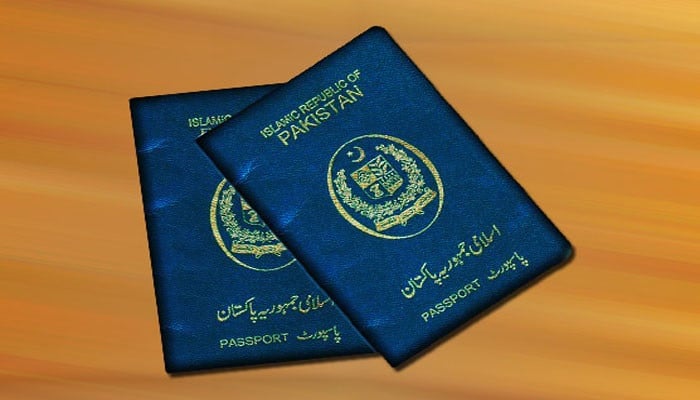
The Core Development
The Senate of Pakistan has formally approved a legislative amendment enabling former parliamentarians to retain official blue passports indefinitely, even if they fail to complete their constitutionally mandated five-year terms. The bill, introduced to address post-tenure privileges, secures high-tier diplomatic travel facilitation for ex-senators and members of the National Assembly regardless of tenure disruptions, dissolutions, or premature resignations.
To become statute, the proposed measure must navigate the National Assembly for concurrent passage before landing on the President's desk for final assent. The timing of this legislative push is particularly notable given the Interior Ministry's recent administrative purge, which saw approximately 30,000 unauthorized blue passports cancelled, reducing the national pool of active blue passport holders from 75,000 down to roughly 45,000. Interior authorities had previously underscored the necessity of tighter regulatory controls, arguing that diplomatic respect and international institutional credibility are not cultivated through the indiscriminate issuance of privileged travel documents.
Commercial & Economic Implications
While the retention of travel documents appears primarily administrative, its economic ramifications echo across Pakistan's broader commercial ecosystem. The institutionalization of elite privileges during severe fiscal austerity exacerbates perceived disparities between public-sector actors and the domestic trading community. For business owners, importers, and retail distributors navigating tightened foreign exchange allowances, stringent visa constraints, and burdensome regulatory scrutiny, state resources devoted to sustaining bureaucratic entitlements undermine structural reform credibility.
At a macro level, recurring controversies over non-standard travel documentation complicate bilateral immigration treaties and visa-on-arrival negotiations. Domestic supply chains, particularly small-to-medium wholesale operators relying on frequent cross-border trade for consumer goods, textiles, and electronics, face secondary compliance costs when foreign jurisdictions raise travel scrutiny on Pakistani passport categories. Unregulated proliferation of official credentials risks triggering blanket visa tightening from regional trade hubs, increasing overheads for genuine corporate travelers.
Related Intelligence: West Bank Settler Violence Prompts Arrests Amid Rising Geopolitical Tensions
Stakeholder Perspectives & Market Reactions
The legislative move has sparked visible unease across civil society, commercial bodies, and policy analysts. Legal experts argue that softening qualification thresholds for official status dilutes the institutional integrity of state documentation. They emphasize that blue passports are operational instruments intended for active public servants on official state duties, rather than personal perks of prestige.
Trading associations and chamber of commerce representatives have reacted critically, highlighting the sharp contrast between business community difficulties in obtaining routine commercial visas and parliamentarians carving out lifetime travel dispensations. Trade bodies note that local manufacturers and retail merchants generate substantial revenues while facing rigorous international scrutiny, whereas lawmakers appear isolated from ground realities. Within government corridors, resistance remains palpable among administrative reformists, who maintain that rigorous qualification audits are vital to aligning Pakistan's travel credentials with international standards.
Forward Outlook & Key Watchpoints
The critical juncture now shifts to the National Assembly. Lawmakers in the lower house must deliberate whether to endorse the Senate's bill in its current form, propose amendments, or quietly shelve the draft amid rising public and media criticism. Observers will monitor whether coalition partners adopt party lines or break ranks in response to public sentiment.
Simultaneously, the Directorate General of Immigration and Passports is expected to continue its verification drive, auditing active credentials across diplomatic, official, and ordinary tiers. Should the bill secure parliamentary ratification and presidential approval, legal challenges in higher courts regarding equal protection and public-interest resource allocation remain highly probable. Market stakeholders and commercial enterprises will monitor whether this legislative focus on political prerogatives distracts from essential economic legislation urgently needed to stabilize domestic trade corridors.
Join Our Official WhatsApp Channel
Receive live commodity alerts, policy changes, and commercial intelligence directly on WhatsApp.