
Security Forces Recover 20 Abducted Police Recruits in Balochistan
Security forces safely recovered 20 police trainees abducted along the Quetta-Karachi Highway, restoring calm amid escalating transit security and freight vulnerability concerns across Balochistan.
The Core Development
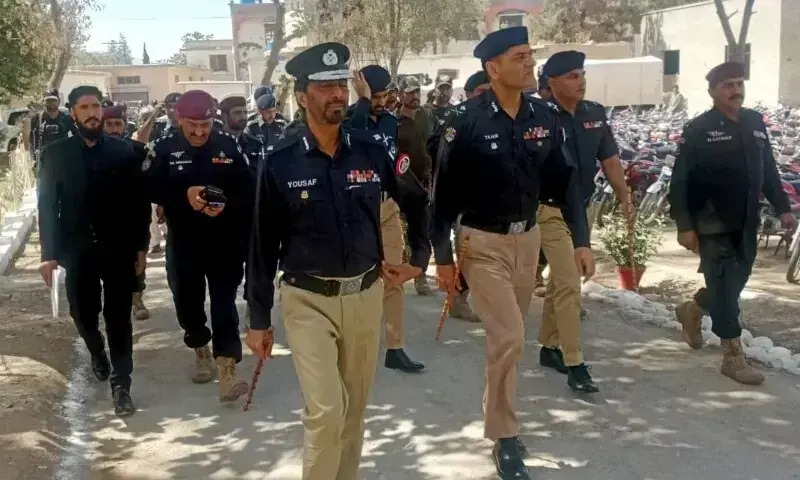
Law enforcement and security personnel in Balochistan successfully secured the safe release of 20 police trainees who were abducted by unidentified armed militants along the Quetta-Karachi Highway. The personnel, stationed at the Kalat Police Training Centre, were intercepted late Friday while travelling in a civilian passenger van toward Noshki for weekend leave.
According to senior administrative and security officials, the armed assailants ambushed the transport vehicle, forcing the recruits to an undisclosed location in the rugged terrain of Kalat district. Following an intensive inter-agency tracking operation and immediate tactical cordon, the personnel were safely recovered from the Mangochar sector. Senior police officers confirmed that all 20 recruits were unharmed, with debriefing protocols underway to ascertain the exact circumstances of the interception and identify the militant network responsible.
Commercial & Economic Implications
The security breach along the National Highway (N-25)—commonly referred to as the Quetta-Karachi Highway—carries direct ramifications for inter-provincial commerce and wholesale freight distribution. The N-25 corridor serves as the primary overland artery connecting Karachi's deep-water ports with interior Balochistan, northern transit corridors, and international border crossings at Chaman and Taftan.
Recurrent ambushes and highway security lapses disproportionately elevate the cost of domestic cargo logistics. Long-haul fleet operators frequently institute risk premiums, hike per-container freight charges, and limit night-time operations in response to regional threats. These logistical disruptions cascade across regional agricultural and wholesale supply chains, raising consumer price indices on staple perishables, construction materials, and imported FMCG products entering Balochistan. Continued volatility threatens to deter private investment and increases demurrage liabilities for national freight carriers navigating unstable transit routes.
Related Intelligence: Colombia Illegal Gold Mine Collapse Kills 14 Amid Supply Chain Scrutiny
Stakeholder Perspectives & Market Reactions
Regional business syndicates, wholesale trade bodies, and transport associations have voiced renewed alarm regarding logistics safety across primary national corridors. The Quetta Chamber of Commerce & Industry and logistics alliances have consistently highlighted that recurring security incursions threaten supply chain reliability, inflating insurance rates and fuel overheads due to mandated detours or convoy travel requirements.
Legal experts and constitutional observers noted that operational security for civil forces is vital to maintaining investor confidence, particularly as Pakistan seeks international participation in regional economic corridors and mineral exploration ventures. Concurrently, provincial authorities reiterated their commitment to reinforcing highway checkposts, asserting that coordinated rapid-response protocols prevented operational casualties during the Mangochar operation.
Forward Outlook & Key Watchpoints
In the immediate term, provincial law enforcement is projected to enact stricter transit guidelines for uniformed and off-duty personnel, including mandatory armed escorts for group travel along vulnerable stretches of the N-25. Surveillance initiatives across Kalat, Mastung, and Noshki districts are expected to intensify to neutralize active asymmetric cells operating in surrounding ranges.
Market observers will closely monitor inter-provincial shipping freight rates and road freight index metrics over the coming quarters. Policy execution regarding joint military-civil highway patrols will serve as the primary indicator for restoring supply chain stability, critical for sustaining regular trade flows between southern seaports and northern logistics hubs.
Join Our Official WhatsApp Channel
Receive live commodity alerts, policy changes, and commercial intelligence directly on WhatsApp.