
Punjab Government Plans Province-Wide Basant Revival for March 2027
The Punjab government has announced plans to permit province-wide Basant celebrations in March 2027, seeking to balance public safety with the revival of traditional seasonal commerce and tourism.
The Core Development
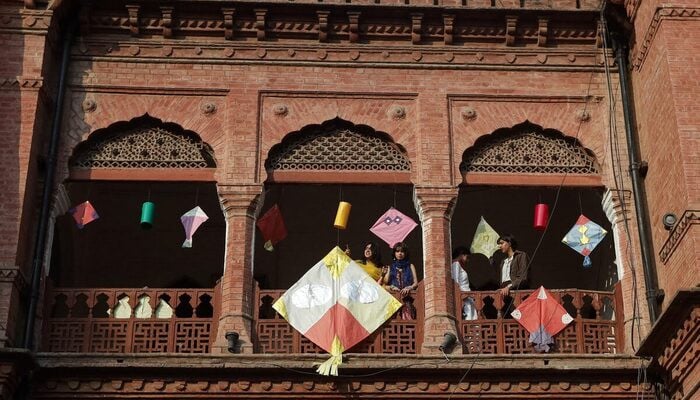
The Government of Punjab has formally initiated policy deliberations to permit province-wide Basant celebrations during the second week of March 2027. Following a protracted multi-year ban imposed primarily due to fatalities linked to sharp metallic and chemical-coated strings, provincial authorities are working on a phased regulatory framework intended to reintroduce the historic spring festival without compromising public safety.
The policy move, directed from top provincial offices in Lahore, involves coordination among law enforcement agencies, municipal corporations, the district administration, and cultural oversight bodies. Rather than an abrupt lifting of the ban, the proposed strategy establishes a structured implementation timeline across major urban centers, including Lahore, Rawalpindi, Faisalabad, and Gujranwala. Key components of the prospective policy include stringent standardization of kite-flying materials, strict registration protocols for kite manufacturers, and designated zones or time-bound windows to regulate the festivities.
Commercial & Economic Implications
Basant historically served as a critical economic engine for urban Punjab, generating extensive direct and indirect turnover across multiple retail and wholesale sectors. Prior to the prohibition, the kite-making ecosystem supported tens of thousands of seasonal and cottage-industry workers, particularly in the Walled City of Lahore and surrounding districts, who specialized in paper crafting, bamboo strutting, and thread spinning.
A regulated revival in March 2027 promises substantial commercial uplift. The domestic hospitality and tourism sectors are positioned to benefit significantly from incoming expatriate and domestic visitors, translating into higher hotel occupancy, increased patronage for culinary enterprises, and elevated consumer retail spending. The transport and logistics corridors connecting raw material suppliers from Punjab's rural periphery to urban processing clusters are also projected to see renewed liquidity. However, wholesale traders will face higher input compliance costs as industrial chemical coatings must be systematically replaced by legally sanctioned cotton threads, which could alter the pricing dynamics of seasonal festival merchandise.
Related Intelligence: UK Clears Jackdaw North Sea Gasfield to Bolster Domestic Supply
Stakeholder Perspectives & Market Reactions
The announcement has elicited a calibrated response from commercial entities, civil society, and legal quarters. The All Pakistan Traders Association and localized bazaar committees across Lahore have largely welcomed the policy framework, viewing it as an essential stimulus to revive dormant cottage manufacturing units that have struggled under persistent industrial inflation.
Conversely, legal analysts and human rights advocates caution that the primary driver behind the historic Supreme Court and High Court interventions remains unaddressed: string safety enforcement. Medical professionals and consumer protection groups emphasize that standardizing thread manufacturing requires foolproof monitoring. Any structural failure to eliminate nylon, glass, and chemical-coated variants exposes citizens, particularly motorcyclists, to lethal hazards. Industry bodies representing safety equipment manufacturers have reiterated that protective wire aerials on two-wheelers must remain mandatory throughout urban centers during festival windows.
Forward Outlook & Key Watchpoints
The runway leading to March 2027 provides the provincial apparatus with a multi-year window to formalize legislative amendments, engage manufacturers, and build monitoring capabilities. The primary watchpoint centers on legislative revisions to the Punjab Prohibition of Kite Flying Ordinance, which currently criminalizes the possession, manufacture, and distribution of kite materials under strict non-bailable clauses.
Market participants will closely monitor whether the provincial cabinet establishes dedicated industrial zones for verified producers and how provincial police intend to intercept illicit supply chains from entering the domestic supply chain. If implemented successfully under strict regulatory parameters, the March 2027 rollout could provide a sustainable benchmark for cultural tourism and micro-enterprise revitalization in Punjab.
Join Our Official WhatsApp Channel
Receive live commodity alerts, policy changes, and commercial intelligence directly on WhatsApp.