
Investigation Uncovers Paramilitary Crime Links to British Right-Wing Group
An undercover investigation has revealed direct links between convicted paramilitary figures and British advocacy group Turning Point UK, intensifying national security scrutiny and concerns over political stability.
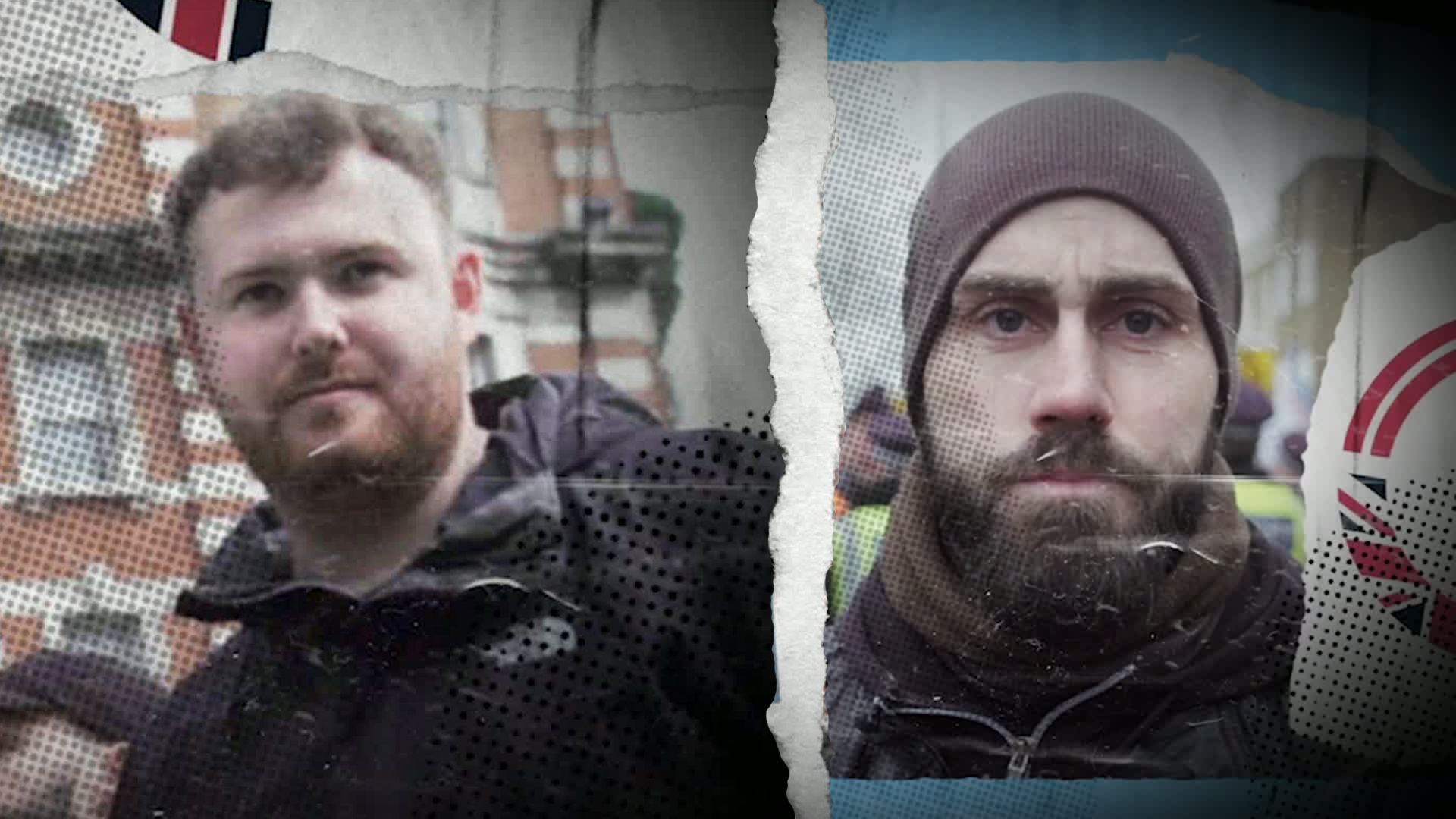
Geopolitical & Core Developments
A comprehensive undercover investigation released by Al Jazeera's Investigative Unit has uncovered deep-seated connections between convicted paramilitary figures, organized criminal syndicates, and the British political advocacy organization Turning Point UK (TPUK). The findings detail how figures with established criminal records and past affiliations with Northern Irish paramilitary outfits have integrated into private security, organizing, and operational wings of conservative and far-right advocacy platforms in Great Britain.
The exposé reveals systematic coordination spanning several months, involving individuals previously convicted of armed operations, violent intimidation, and extortion. Operating under the banner of civic activism and culture-war campaigning, elements within the network leveraged hardline enforcement personnel to secure high-profile rallies, intimidate political opponents, and interface with broader transatlantic right-wing networks. The development represents a significant escalation in the convergence of street-level violent extremism, organized crime, and institutional political lobbying in the United Kingdom, presenting a direct challenge to domestic intelligence agencies and the rule of law.
Global Trade & Economic Ripples
While primary impacts manifest across governance and legal security, the institutionalization of radical fringe networks bears compounding implications for sovereign risk ratings, international business confidence, and commercial operations within the United Kingdom. As systemic political volatility increases, foreign direct investment faces headwinds from reputational and stability risks. Corporate stakeholders operating in central urban centers increasingly allocate greater capital expenditures toward asset protection, private security, and crisis contingency planning against potential civil unrest.
Furthermore, the nexus between illicit finance, paramilitary organizations, and transnational political organizations highlights vulnerabilities within cross-border capital flows. Stringent compliance regulations, Anti-Money Laundering (AML) directives, and Counter-Financing of Terrorism (CFT) frameworks are expected to tighten around non-governmental entities and political advocacy groups. This tightening imposes administrative friction on cross-border financial transactions and private non-profit contributions entering European jurisdictions, indirectly affecting retail financial services and donor-backed philanthropic vehicles globally.
Related Intelligence: French Political Crisis Deepens Amid Rising Civil Unrest and Socioeconomic Grievances
International Reactions & Diplomatic Stances
The revelations have sparked immediate domestic and international scrutiny. Civil liberty monitors and parliamentary watchdogs across Westminster have called for formal inquiries into TPUK's corporate governance and security vetting protocols. Lawmakers from opposition parties have urged the Home Office and the Metropolitan Police to examine whether counter-extremism and counter-terrorism legislation should be invoked regarding political groups employing convicted paramilitary actors.
At the multilateral level, regional bodies tracking European extremist movements, including analysts aligned with the Council of Europe and the European Union Agency for Law Enforcement Cooperation (Europol), have emphasized that the convergence of organized crime and political activism represents a growing threat vector across the continent. International human rights observers have condemned the normalization of intimidatory tactics within civic discourse, pointing to similar hybrid models observed across parts of North America and Eastern Europe.
Strategic Outlook & Future Scenarios
Moving forward, the trajectory of this controversy will center on formal regulatory action and parliamentary scrutiny. Should investigative authorities confirm structural cooperation between designated extremist elements and active political advocacy entities, authorities could enforce asset freezes, revoke non-profit operational protections, or pursue criminal conspiracy indictments against high-ranking organizers.
In the medium term, the exposure is likely to drive standard-setting across the wider transatlantic political apparatus. Mainstream conservative institutions will face acute pressure to sever ties with fringe operational actors to safeguard donor bases and avoid legal jeopardy. Conversely, if unchecked, the integration of violent paramilitary actors into political campaigning risks entrenching lower-intensity urban conflict, further degrading trust in democratic mechanisms and destabilizing civil infrastructure across key Western political hubs.
Join Our Official WhatsApp Channel
Receive live commodity alerts, policy changes, and commercial intelligence directly on WhatsApp.