
Saudi Arabia Claims Arabian Gulf Cup Triumph Amid Regional Shifts
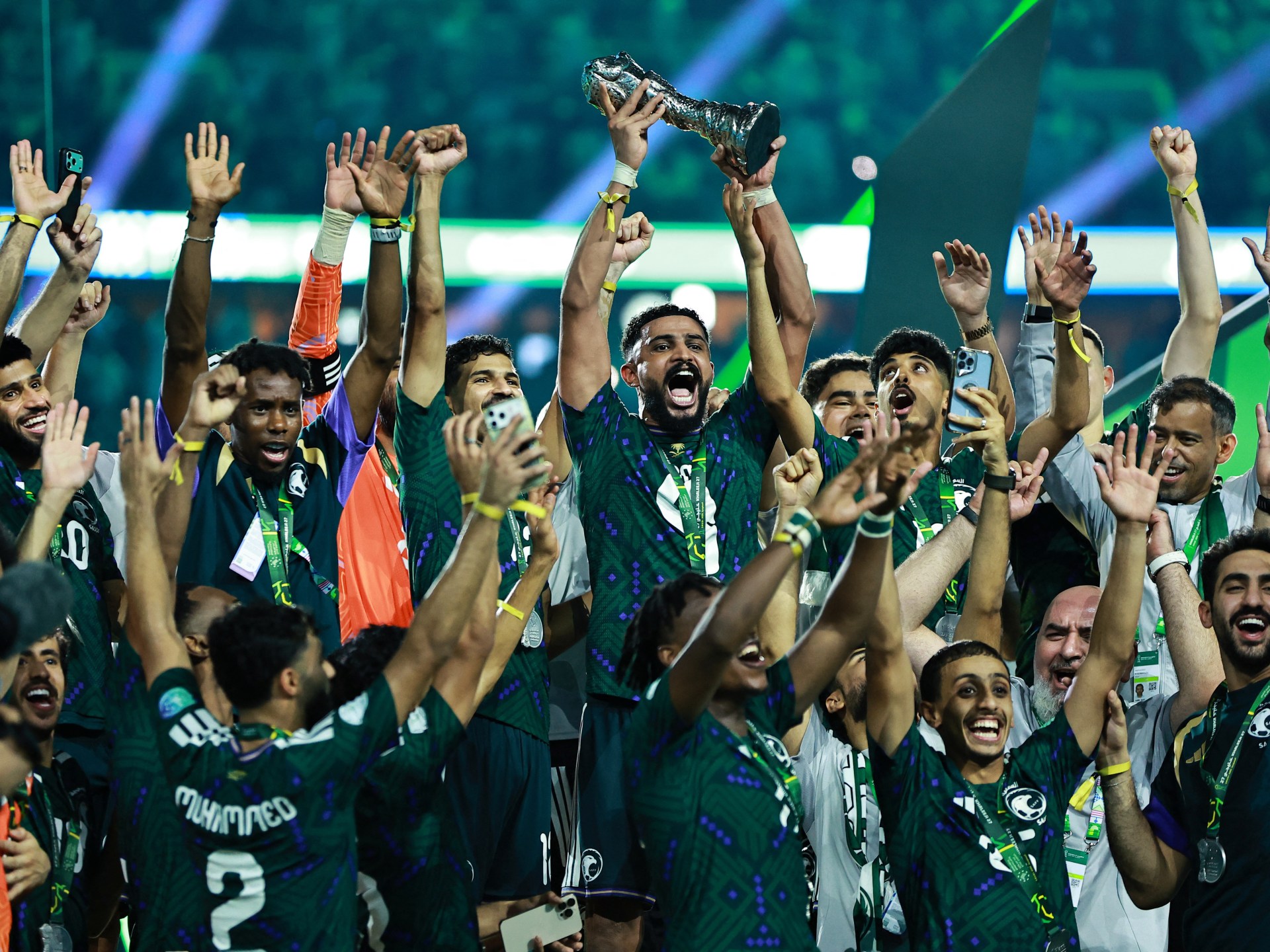
Saudi Arabia defeated the UAE 2-0 to secure their fourth Arabian Gulf Cup, highlighting Riyadh's growing emphasis on regional influence and sports diplomacy.
Geopolitical & Core Developments
In a decisive fixture that captured the attention of the wider Middle East, Saudi Arabia secured a 2-0 victory over the United Arab Emirates to claim the Arabian Gulf Cup championship. Goals from Hammam Al-Hammami and Firas al-Buraikan sealed the milestone win for the tournament hosts, effectively ending a 22-year title drought in the prestigious regional competition. Beyond the athletic achievement, the tournament served as a high-stakes arena for state actors navigating a complex web of diplomatic engagements, historical rivalries, and modern cooperative frameworks across the Gulf Cooperation Council (GCC).
The path to the final involved rigorous competition among regional neighbors, reflecting the heightened competitive spirit and political significance attached to regional hegemony. State leadership from across the peninsula monitored the matches closely, as major athletic spectacles in the Gulf have increasingly become extensions of national prestige and diplomatic signaling. The victory underscores the ongoing evolution of Saudi Arabia's domestic athletic infrastructure and its capacity to successfully host and conquer continental tournaments under intense geopolitical scrutiny.
Global Trade & Economic Ripples
While sporting events rarely dictate immediate commodity price movements, the broader context of high-profile regional events intersects directly with international trade, tourism economies, and foreign direct investment. Saudi Arabia and the United Arab Emirates represent critical economic powerhouses within global energy markets, international shipping corridors, and sovereign wealth deployment. Mega-events and regional championships function as vital components of Riyadh's Vision 2030, a sweeping economic diversification strategy designed to reduce reliance on hydrocarbon revenues by fostering robust entertainment, tourism, and hospitality sectors.
Furthermore, the successful execution of high-security international tournaments reinforces investor confidence in the stability and logistical capabilities of the Arabian Peninsula. As global supply chains and commercial aviation hubs in Riyadh and Dubai continue to expand, regional stability and prestige directly support the unimpeded flow of goods, services, and capital through vital Middle Eastern trade arteries. Market analysts note that enhanced regional cooperation and competitive normalization foster a predictable commercial environment essential for multi-billion-dollar infrastructure projects.
Related Intelligence: UK Green Party Zionism Policy Sparks Deep International and Commercial Debate
International Reactions & Diplomatic Stances
Official congratulatory messages poured in from various regional governments and multilateral institutions, emphasizing the role of sports in fostering youth engagement and cross-border solidarity. Diplomatic observers highlighted how athletic platforms facilitate informal dialogue between neighboring states, occasionally serving as a diplomatic bridge during periods of delicate geopolitical recalibration. Financial analysts and emerging market commentators observed that the tournament's flawless logistical execution further solidifies the Gulf's reputation as a premier destination for global mega-events, rivaling traditional Western hosts.
Multilateral trade organizations and regional chambers of commerce praised the seamless coordination required to manage large-scale fan migration and international media broadcasting. The event demonstrated the technical proficiency of Gulf institutions in managing high-volume international tourism, a crucial pillar for future economic expansion as both nations seek to attract millions of global visitors annually.
Strategic Outlook & Future Scenarios
Looking ahead, Saudi Arabia's victory in the Arabian Gulf Cup arrives at a pivotal juncture as the kingdom prepares to host an array of even larger global spectacles, including upcoming continental football championships and global expositions. These milestones serve as stepping stones toward greater international integration and economic transformation. The strategic trajectory for the region points toward intensified competition, both on the athletic field and within the global economy, as Gulf nations vie to establish themselves as undisputed cultural, financial, and logistical hubs of the Middle East.
Join Our Official WhatsApp Channel
Receive live commodity alerts, policy changes, and commercial intelligence directly on WhatsApp.