
Black Sea Cargo Sinking Triggers Maritime Trade Alarm
Bulgarian rescuers have halted the search for missing crew members following a fatal drone strike that sank a commercial cargo ship in the Black Sea, heightening global shipping and commodity market anxieties.
Geopolitical & Core Developments
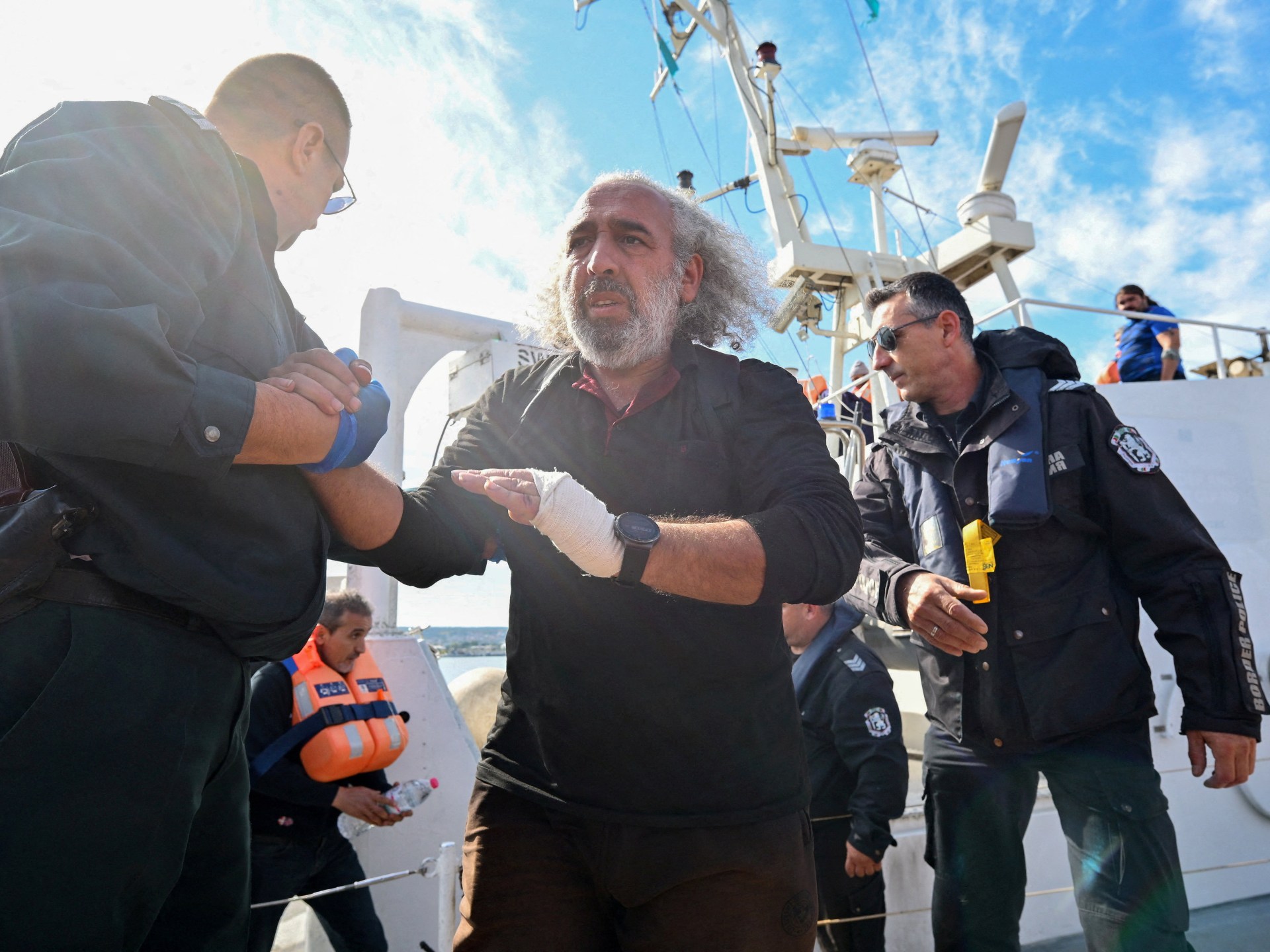
Bulgarian rescue authorities have officially called off the multi-day search and rescue operation for the missing crew members of a commercial cargo vessel that sank following a devastating drone strike in the western Black Sea. The escalation underscores the persistent and expanding kinetic risks threatening commercial navigation within one of the world's most vital maritime chokepoints. State maritime coordination centers, operating in tandem with regional coast guard units, exhausted all viable search parameters off the Bulgarian coastline after recovering no survivors from the icy waters.
The incident highlights the vulnerability of neutral commercial shipping traversing contested operational zones. As state actors and asymmetric combatants continue to leverage unmanned aerial systems and naval drones, the boundary between military targets and civilian logistics has grown dangerously blurred. Naval intelligence analysts note that the strike represents a significant tactical escalation, moving beyond localized skirmishes to directly threaten the safety of international merchant mariners and the structural integrity of global supply chains operating near active conflict perimeters.
Global Trade & Economic Ripples
The sinking of the cargo vessel has sent immediate shockwaves through international commodity markets, particularly concerning the transit of agricultural staples, industrial metals, and bulk energy products originating from Eastern European ports. Marine underwriters have responded by aggressively recalibrating war risk insurance premiums for vessels operating in the Black Sea basin. These soaring operational costs threaten to squeeze profit margins for grain exporters, steel producers, and fertilizer manufacturers who rely on cost-effective maritime transport routes to reach key purchasing hubs in Europe, the Middle East, and North Africa.
Furthermore, shipowners are increasingly reluctant to dispatch crews into high-risk zones without exorbitant hazard compensation, leading to localized bottlenecks and delayed sailings. The disruption directly impacts global food security and commodity pricing benchmarks, as any impediment to Black Sea shipping corridors inevitably reverberates through Chicago Board of Trade futures and European milling wheat contracts. Importers face mounting inflationary pressures as freight operators factor the heightened threat matrix into long-term charter agreements.
Related Intelligence: Hijacked Tanker Crew Members Return to Karachi Amid Supply Chain Concerns
International Reactions & Diplomatic Stances
Multilateral institutions and international trade bodies have swiftly condemned the attack, characterizing the targeting of civilian merchant vessels as a severe violation of international humanitarian law and freedom of navigation principles. The International Maritime Organization issued an urgent advisory reiterating the absolute necessity of protecting non-combatant crews and commercial shipping assets. Diplomatic representatives from several coastal states have called for an emergency session of regional maritime safety committees to evaluate enhanced tracking and escort frameworks.
Market analysts and geopolitical risk consultancies have urged governments to establish formalized maritime humanitarian corridors equipped with real-time surveillance and rapid-response capabilities. However, consensus on how to secure these lanes remains elusive given the deep strategic divides among regional powers. Official statements from major trading nations emphasize that persistent insecurity in the Black Sea undermines global economic stability and demands a coordinated international diplomatic response to deter future attacks on civilian logistics.
Strategic Outlook & Future Scenarios
Looking ahead, the tragic incident is expected to accelerate the implementation of advanced electronic warfare countermeasures and anti-drone defense systems aboard commercial vessels transiting high-risk waters. Shipping consortiums are actively lobbying flag states for enhanced naval protection and intelligence-sharing agreements to mitigate the growing threat profile. Without robust multilateral security guarantees, maritime traffic through the western Black Sea risks experiencing severe structural contractions, leading to permanent shifts in trade routing and sustained elevation of global freight rates.
Join Our Official WhatsApp Channel
Receive live commodity alerts, policy changes, and commercial intelligence directly on WhatsApp.