
UK Green Party Zionism Policy Sparks Deep International and Commercial Debate
The UK Green Party's contentious stance on Zionism has generated profound international debate, raising questions about diplomatic stability and cross-border commercial sentiment.
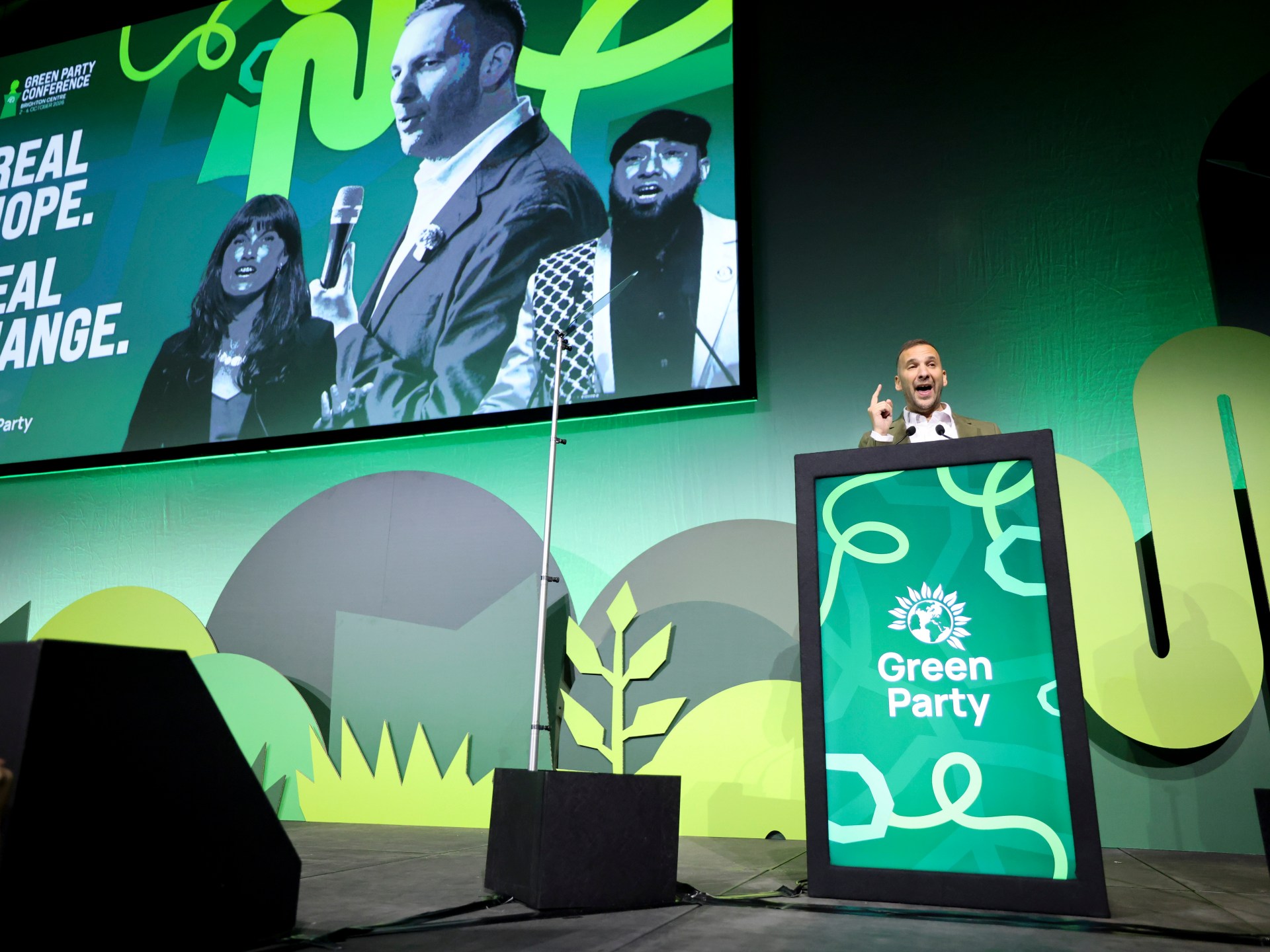
Geopolitical & Core Developments
The recent adoption of a contentious policy regarding Zionism by the UK Green Party has triggered a complex wave of geopolitical reactions across international capitals. While framed internally as a human rights measure, foreign policy analysts and diplomatic observers note that the policy reflects a profound misunderstanding of the historical and ideological foundations of Zionism. State actors across Western Europe and the Middle East are closely monitoring how domestic political shifts in the United Kingdom might influence broader foreign policy alignments. Historically, UK political discourse on the Israeli-Palestinian conflict has adhered to nuanced multilateral frameworks. However, the hardening of partisan stances risks polarizing diplomatic channels further, complicating ongoing efforts by international mediators to foster constructive dialogue and advance genuine Palestinian self-determination alongside secure statehood for Israel.
[Global Trade](/news/gaza-three-years-destruction-economic-impact-kalyar-traders) & Economic Ripples
Although primarily a political and ideological dispute, shifts in political rhetoric within major G7 economies invariably cast ripples across international commerce, financial markets, and global supply chains. Institutional investors and multinational corporations increasingly evaluate geopolitical risk profiles when deploying capital into regions perceived as politically volatile. While direct disruptions to maritime shipping lanes in the Eastern Mediterranean or immediate shifts in global energy commodity pricing have not materialized from this specific policy debate, heightened diplomatic friction can influence investor confidence. Furthermore, corporate governance standards, environmental, social, and governance (ESG) scoring frameworks, and multinational trade negotiations often absorb the indirect pressures of polarizing domestic political mandates, creating subtle compliance complexities for firms operating across multiple jurisdictions.
Related Intelligence: West Bank Violence Escalates Global Supply Chain and Commodity Risks
International Reactions & Diplomatic Stances
Multilateral institutions and foreign ministries have expressed mixed reactions to the intensifying debate within British politics. Representatives from various international bodies emphasize that constructive contributions to Middle Eastern peace require deep historical literacy and balanced engagement with all regional stakeholders. Market analysts note that while financial exchanges have largely shrugged off the domestic UK policy shift, diplomatic circles remain wary of precedent. Think tanks and policy institutes across Washington, Brussels, and Jerusalem have published extensive commentary warning against simplistic characterizations of complex nationalist movements, arguing that such rhetoric ultimately undermines the foundation needed for enduring diplomatic resolutions and sustainable economic cooperation.
Strategic Outlook & Future Scenarios
Looking ahead, the trajectory of this political debate will likely influence upcoming domestic electoral strategies within the United Kingdom and reverberate through broader European political alignments. As upcoming international summits focus heavily on regional security, trade resilience, and geopolitical stability, diplomatic envoys will be pressed to manage the fallout from polarizing rhetoric. Sanctions risk, regulatory compliance shifts, and trade agreement negotiations could face indirect headwinds if political parties continue to adopt rigid ideological stances on foreign national movements. Ultimately, maintaining stable diplomatic channels and evidence-based policy formulation will be paramount for mitigating commercial uncertainty and fostering long-term stability across global trade corridors.
Join Our Official WhatsApp Channel
Receive live commodity alerts, policy changes, and commercial intelligence directly on WhatsApp.