
West Bank Violence Escalates Global Supply Chain and Commodity Risks
Escalating settler violence in the occupied West Bank results in casualties during the olive harvest, amplifying regional instability and threatening broader international supply chains.
Geopolitical & Core Developments
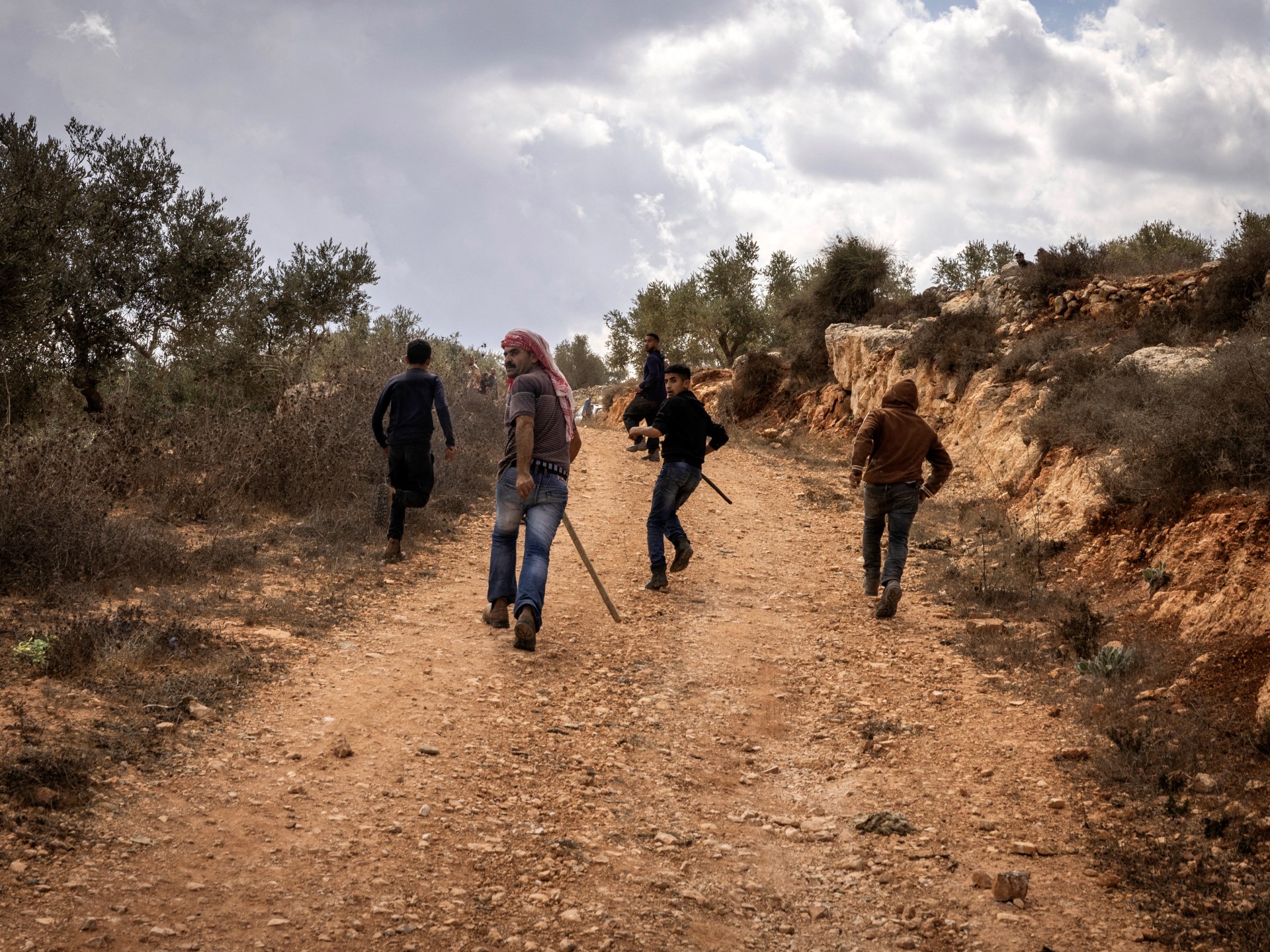
The recent escalation of violence in the occupied West Bank, highlighted by the killing of a 44-year-old Palestinian man during coordinated settler assaults on olive harvesters, marks a dangerous deterioration in regional security. This tragic event is not an isolated incident but part of an intensifying pattern of violence across the territory, where agricultural communities face systemic disruptions during crucial economic seasons. State actors, security forces, and international monitors have expressed deep concern over the breakdown of law and order, which threatens to ignite a broader multi-front conflict. The strategic stakes for the region are immense, as localized confrontations routinely risk spilling over into wider geopolitical confrontations involving key regional and international powers.
[Global Trade](/news/gaza-three-years-destruction-economic-impact-kalyar-traders) & Economic Ripples
While direct physical damage remains concentrated locally, the psychological and logistical shockwaves of escalating Middle Eastern instability reverberate rapidly through global commodity markets. The olive harvest holds substantial economic value for local Palestinian livelihoods, but the broader ramifications extend to regional stability, investor confidence, and trade logistics. International shipping lanes, regional energy infrastructure, and vital trade conduits through the Eastern Mediterranean remain highly sensitive to security deteriorations in the Levant. Commodity traders and institutional investors are increasingly pricing in the premium of prolonged geopolitical instability, affecting everything from regional agricultural exports to broader energy pricing benchmarks and currency stability in emerging markets.
Related Intelligence: Gaza Escalation Deepens Middle East Instability and Commercial Risk
International Reactions & Diplomatic Stances
Global bodies and diplomatic missions have swiftly responded to the worsening crisis in the West Bank. The United Nations and various international human rights organizations have issued stern admonishments, calling for immediate restraint, independent investigations, and accountability for perpetrators of violence. Western capitals and multilateral bodies have expressed alarm over the expansion of settlement activities and the accompanying rise in localized violence, warning that such trajectories undermine prospects for a durable political settlement. Market analysts note that these diplomatic frictions complicate multilateral cooperation, increasing the likelihood of targeted economic sanctions, diplomatic reprimands, and heightened regulatory scrutiny on commercial entities operating within contested territories.
Strategic Outlook & Future Scenarios
Looking ahead, the trajectory of the West Bank conflict remains closely tied to broader geopolitical realignments across the Middle East. Upcoming diplomatic summits and emergency ministerial meetings will likely focus on mitigating immediate security threats and preventing further regional escalation. However, without a credible diplomatic framework to address the root causes of the violence, commercial stakeholders must prepare for persistent market volatility. Supply chain managers, commodity traders, and multinational corporations are advised to continuously reassess their risk exposure in the region, factoring in potential disruptions to transportation networks, regulatory shifts, and sudden escalations in geopolitical friction points over the coming quarters.
Join Our Official WhatsApp Channel
Receive live commodity alerts, policy changes, and commercial intelligence directly on WhatsApp.