
Karachi Faces Weekend Gas Disruption Amid Critical Mainline Infrastructure Upgrades
Sui Southern Gas Company has announced an 11-hour gas suspension across several Karachi zones for vital pipeline maintenance, creating operational challenges for industrial and commercial sectors.
The Core Development
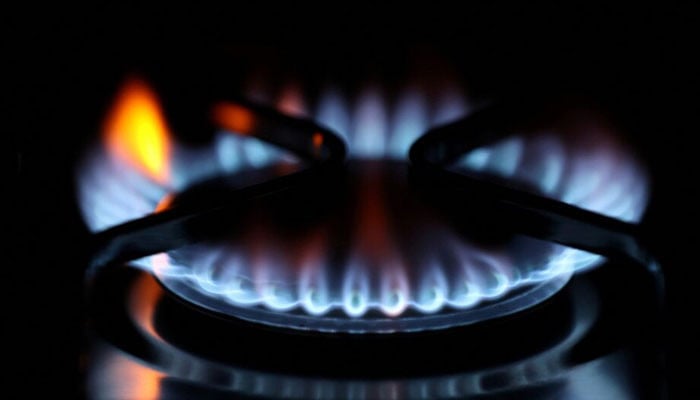
The Sui Southern Gas Company (SSGC) has formally notified consumers across extensive swathes of Karachi regarding a scheduled 11-hour gas suspension over the weekend. According to the state-owned utility, the planned disruption is necessitated by vital infrastructure integrity work, specifically tie-in and maintenance protocols on a primary 24-inch diameter Qatar mainline located in the Shershah region. The outage, scheduled to commence late Saturday night and persist through Sunday morning, impacts both high-density residential settlements and key industrial zones.
The strategic line serves as a central transmission artery, directing high-pressure gas across the industrial heartland of Karachi, including the SITE Industrial Area, Shershah, Keamari, and adjoining commercial pockets. Engineering teams have been deployed to reinforce pipeline structural safety, curb leakages, and improve overall system pressure ahead of seasonal demand shifts. SSGC officials stated that systemic depressurization is mandatory to facilitate the tie-in operations safely, during which complete gas supply isolation will remain in effect across the designated zones.
Commercial & Economic Implications
For Karachi, Pakistan's economic powerhouse generating over 60 percent of national revenue, utility disruptions of this scale carry direct financial ramifications. The SITE Industrial Area, home to thousands of export-oriented textile mills, chemical manufacturing facilities, and food processing plants, bears the brunt of the shutdown. While scheduled during a weekend, continuous-process operations and weekend shifts face immediate suspension, disrupting production schedules and threatening export shipment commitments.
The industrial interruption forces manufacturing plants to transition toward costlier alternatives, primarily Liquefied Petroleum Gas (LPG) and High-Speed Diesel (HSD) for captive power generation and thermal operations. This sudden operational pivot escalates marginal production costs, exerting further pressure on margins already constrained by elevated utility tariffs, high inflation, and currency volatility. Furthermore, downstream supply chains will experience logistical friction, as localized commercial kitchens, retail vendors, and compressed natural gas (CNG) stations face temporary operational halts, driving short-term price spikes in urban retail commodities.
Related Intelligence: Brazil Amazon Deforestation Drops 42 Percent Reshaping Agri-Commodity Supply Chains
Stakeholder Perspectives & Market Reactions
Industrial associations have responded with measured caution alongside demands for improved efficiency. Representatives from the SITE Association of Industry noted that while pipeline modernization is essential for long-term supply stability, unannounced or prolonged delays in restoration could severely harm factory throughput and workforce productivity. Industrialists emphasized that even minor extensions beyond the scheduled 11-hour window could force plant closures for an entire operational shift on Monday.
Traders and merchant bodies have echoed these concerns, urging the utility provider to ensure that secondary distribution networks maintain baseline pressure following the completion of engineering works. Meanwhile, consumer rights groups and residential associations in Shershah, Lyari, and Keamari voiced frustration over chronic supply inconsistencies. Domestic users frequently struggle with low gas pressure during routine days, and sudden total suspensions compound domestic management difficulties, accelerating local reliance on unregulated LPG cylinders sold at marked-up prices.
Forward Outlook & Key Watchpoints
The immediate watchpoint remains the strict adherence by SSGC engineering teams to the projected 11-hour restoration timeline. Following physical completion of the mainline tie-in, full pressure recovery across distribution branch lines typically requires an additional three to six hours, a critical window that industrial managers will monitor closely before resuming complex machinery.
Beyond this maintenance exercise, market observers continue to scrutinize the wider structural deficits plaguing Pakistan's energy sector. With indigenous gas supplies depleting at an estimated 8 to 10 percent annually, reliance on imported Liquefied Natural Gas (LNG) continues to elevate system costs. Policymakers and utility operators face increasing urgency to rationalize distribution infrastructure, implement pipeline rehabilitation projects to cut unaccounted-for gas (UFG) losses, and establish transparent energy delivery frameworks to sustain Karachi's commercial competitiveness.
Join Our Official WhatsApp Channel
Receive live commodity alerts, policy changes, and commercial intelligence directly on WhatsApp.