
Russian Drone Strikes on Kyiv Infrastructure Trigger Fresh Global Market Anxiety
Recent Russian drone strikes targeting a Kyiv school and critical bridge infrastructure amplify geopolitical tensions, threatening regional stability and international commodity transit corridors.
Geopolitical & Core Developments
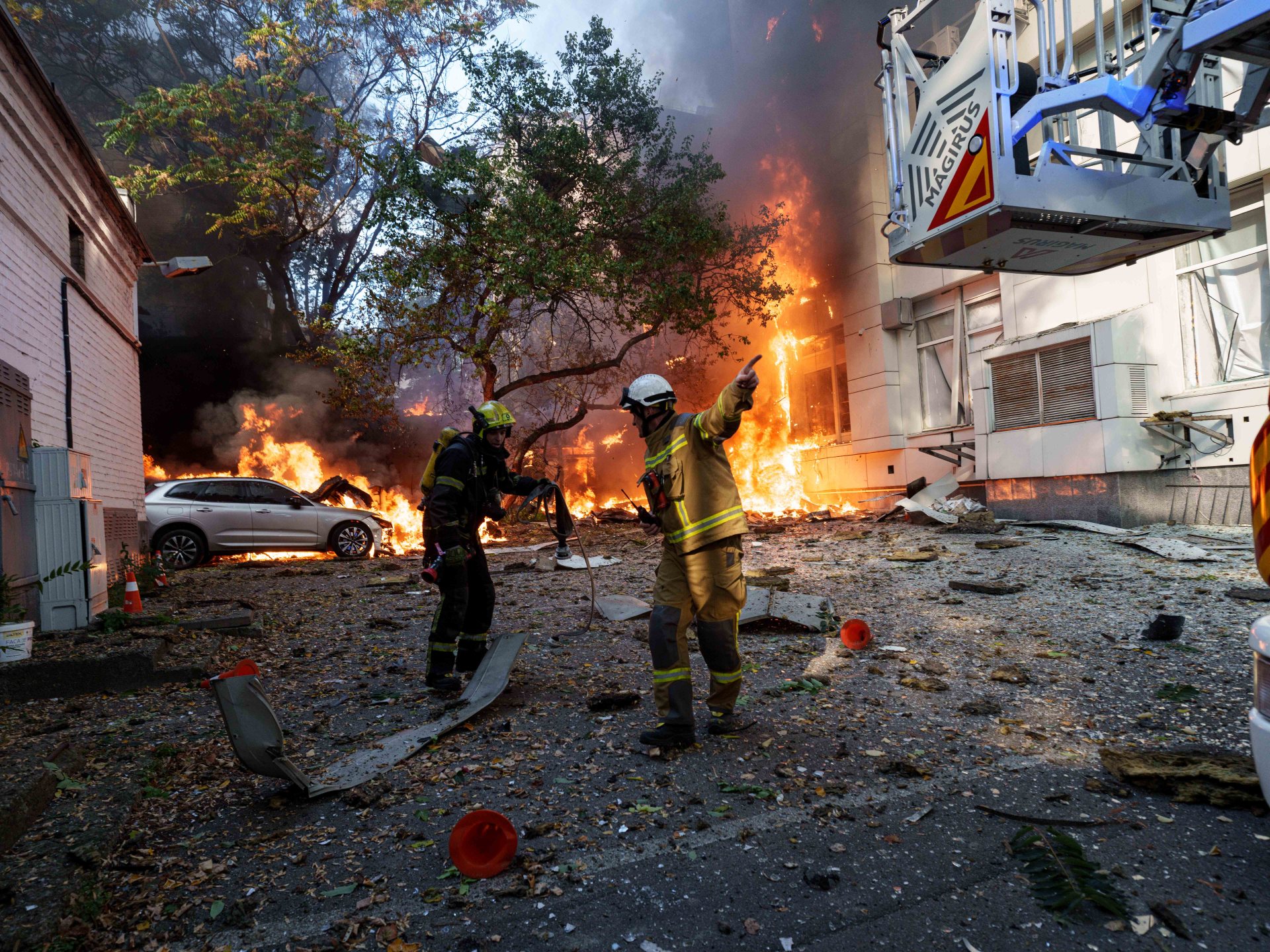
The ongoing conflict in Eastern Europe entered a tense new phase as a concentrated wave of Russian drone strikes impacted critical urban and transport infrastructure in the Ukrainian capital of Kyiv. According to reports from Al Jazeera, the bombardment targeted a local educational facility and a primary transit bridge, causing significant localized disruption and compounding the strain on municipal emergency services. This latest escalation underscores Moscow's persistent air assault strategy, aimed at degrading urban resilience and crippling logistical arteries within central Ukraine.
The strategic stakes extend far beyond the immediate urban damage. By systematically targeting transport nodes and public infrastructure, the campaign seeks to fracture internal supply lines and undermine administrative command centers. State actors across Europe are closely monitoring the shift in tactics, which reflects a broader pattern of attrition designed to exhaust civilian endurance and test the limits of Western-supplied air defense networks. As diplomatic channels remain deadlocked, military strategists anticipate that aerial bombardments will continue to serve as Moscow's primary instrument of pressure against Kyiv's central administration.
Global Trade & Economic Ripples
The intensification of hostilities in core Ukrainian territories immediately reverberates through global trade networks and commodity pricing mechanisms. While Kyiv itself is removed from the primary agricultural export hubs along the Black Sea coastline, the persistent threat to transport infrastructure introduces systemic volatility into regional supply chains. International grain traders, energy conglomerates, and logistics operators factor these persistent security risks into freight insurance premiums and transit timelines.
Energy markets, in particular, remain highly reactive to any escalation that threatens broader European stability or risks spilling over into neighboring trade corridors. Although immediate physical damage was restricted to municipal assets, the psychological and logistical impact on commercial operators increases friction for cross-border commerce. Shipping lanes and overland freight routes through Eastern Europe face heightened scrutiny, leading to precautionary adjustments by multinational corporations managing raw material flows and agricultural commodities originating from the fertile Black Sea basin.
Related Intelligence: Lenacapavir Breakthrough Tests Global Healthcare Equity and Supply Chains
International Reactions & Diplomatic Stances
Global capitals and multilateral institutions swiftly condemned the latest wave of strikes against civilian and municipal targets. Western governments reiterated their commitment to bolstering Ukraine's integrated air defense capabilities, emphasizing that the systematic destruction of educational and transport infrastructure violates international humanitarian norms. Diplomatic representatives at the United Nations stressed the urgent need to protect non-combatants and maintain the integrity of critical supply networks essential for regional stability.
Market analysts and geopolitical risk consultants note that these diplomatic reprimands, while consistent, have done little to deter the momentum of the air campaign. Consequently, institutional investors and trade bodies are adjusting their long-term risk assessments. Multilateral financial institutions continue to monitor the fiscal cost of reconstruction, which escalates with every structural asset destroyed, placing additional pressure on international aid packages and sovereign debt sustainability.
Strategic Outlook & Future Scenarios
Looking ahead, the trajectory of the conflict points toward sustained military friction with direct implications for global commerce. Upcoming international summits and diplomatic forums will likely focus on reinforcing economic sanctions against Moscow while attempting to secure alternative transit routes for essential goods. However, the prospect of a negotiated settlement remains distant as both sides entrench their strategic positions.
For international commodity markets and global supply chain managers, the primary takeaway is the normalization of high-risk operating environments across Eastern Europe. As long as aerial campaigns target central transport and municipal infrastructure, traders must maintain robust contingency plans to navigate sudden price spikes, logistical bottlenecks, and currency fluctuations tied to geopolitical escalation points.
Join Our Official WhatsApp Channel
Receive live commodity alerts, policy changes, and commercial intelligence directly on WhatsApp.