
Flydubai Security Incident Exposes Critical Vulnerabilities in Commercial Aviation
A recent security scare aboard a Flydubai flight has forced international aviation authorities to reevaluate cockpit safety protocols, shifting focus from external terrorism to internal pilot vulnerabilities.
Geopolitical & Core Developments
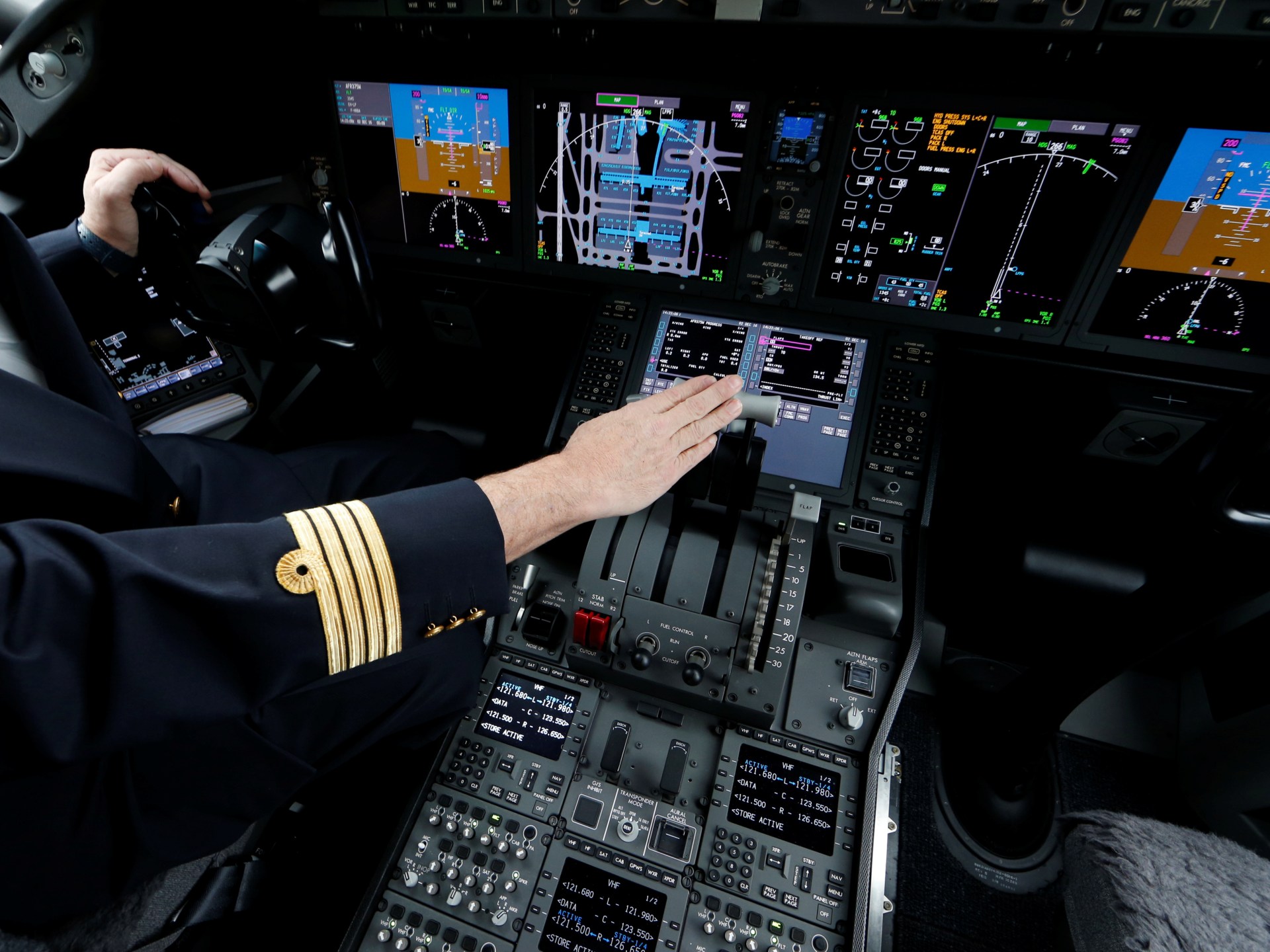
The recent security scare aboard a Flydubai aircraft has shattered long-held assumptions regarding commercial cockpit security, shifting the global aviation safety discourse from external threats to internal vulnerabilities. Following the tragic events of September 11, 2001, international civil aviation authorities universally fortified cockpit doors to prevent unauthorized external entry, transforming flight decks into impregnable fortresses. However, the Flydubai incident—in which an in-flight altercation involving a pilot threatened the operational integrity of the aircraft—flips the foundational security dilemma on its head. When the primary threat originates from within the flight deck, the very fortifications designed to protect passengers can inadvertently trap them, creating a tactical nightmare for cabin crew and air marshals alike. State civil aviation authorities across the Middle East, Europe, and North America are now urgently reviewing cross-border regulatory frameworks to address this blind spot in global transport security.
Global Trade & Economic Ripples
Commercial aviation is a critical artery of global trade, supply chain mobility, and international commerce. Disruptions to passenger and cargo carrier reliability carry immediate economic consequences for global commodity markets, business travel, and time-sensitive logistics. Enhanced security mandates—such as mandatory dual-occupancy rules in cockpits, advanced biometric access controls, or continuous psychological monitoring systems—will impose substantial compliance costs on international carriers already operating on razor-thin margins. Furthermore, any erosion of passenger confidence in flight safety can trigger localized drops in air travel demand, affecting tourism revenues and international business mobility. As global carriers adapt to evolving risk assessments, insurance underwriters are expected to reprice aviation risk portfolios, potentially driving up operational overhead across major international trade corridors.
Related Intelligence: UK Blames Iran for RAF Base Incident as Middle East Tensions Spike
International Reactions & Diplomatic Stances
International bodies, including the International Civil Aviation Organization (ICAO) and the International Air Transport Association (IATA), have faced immediate calls from aviation safety unions to issue updated global guidelines. National aviation regulators, notably the United States Federal Aviation Administration and the European Union Aviation Safety Agency, are holding emergency consultations with airline executives and pilot associations to harmonize psychological screening protocols. While labor unions emphasize the importance of destigmatizing mental health support for flight crews, security analysts argue that stricter enforcement of cockpit access protocols is non-negotiable. Diplomatic channels are increasingly utilized to share intelligence on pilot vetting processes, ensuring that international carriers maintain uniform safety standards across global airspace jurisdictions.
Strategic Outlook & Future Scenarios
Looking ahead, the incident is expected to accelerate the adoption of next-generation cockpit monitoring technologies, including remote diagnostic tools and AI-driven behavioral anomaly detection systems. Upcoming international transport summits will likely feature dedicated panels on insider threats, leading to a comprehensive overhaul of Annex 17 of the Chicago Convention on international civil aviation. While a complete overhaul of cockpit design remains logistically challenging for existing global fleets, aerospace manufacturers are already incorporating dual-authorization override mechanisms into future aircraft blueprints. Ultimately, striking the delicate balance between stringent security protocols, crew operational autonomy, and mental health privacy will define the trajectory of global aviation safety policy for the next decade.
Join Our Official WhatsApp Channel
Receive live commodity alerts, policy changes, and commercial intelligence directly on WhatsApp.