
Western Military Doctrine and Regulatory Paralysis Deepen Ukraine Defense Crisis
An amalgam of inflexible Western military procedures and domestic Ukrainian regulatory failures is critically starving front-line defense efforts, posing severe strategic and economic risks.
Geopolitical & Core Developments
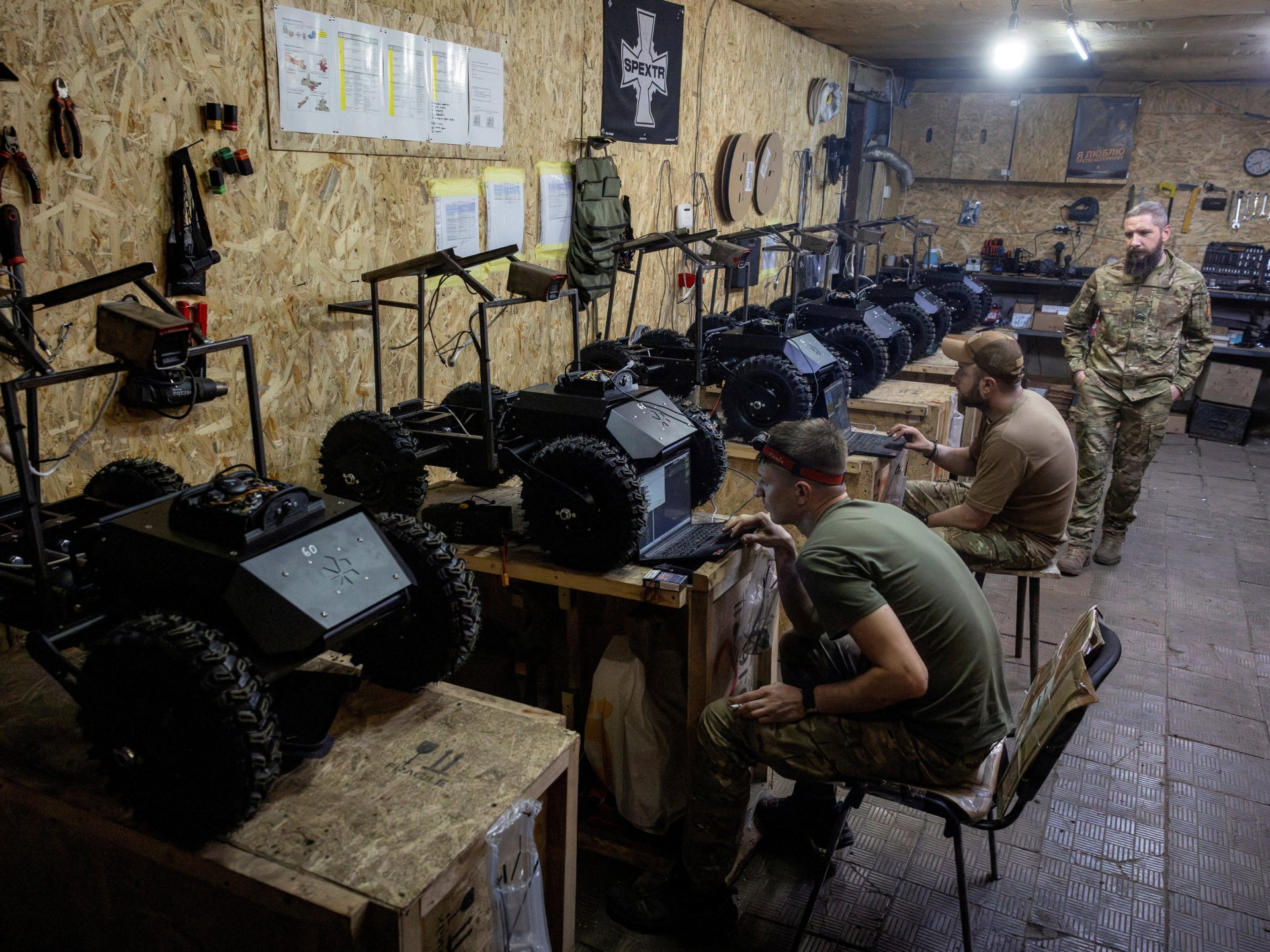
The protracted conflict in Eastern Europe has entered a perilous phase characterized not merely by battlefield attrition, but by systemic logistical and administrative failures. According to defense analysts and strategic experts, a compounding mixture of rigid Western military attitudes and Kyiv's internal regulatory paralysis has severely curtailed the flow of armaments to active combat zones. While allied nations have pledged billions in military aid, the operational translation of these commitments remains hobbled by bureaucratic inertia, stringent end-use monitoring protocols, and antiquated defense procurement mechanisms.
At the heart of the crisis is a profound mismatch between NATO-standard bureaucratic procedures and the urgent, fluid demands of total war. Western defense ministries often insist on protracted testing, compliance verification, and standardized training cycles before dispatching advanced weapon systems. These measures, designed for peacetime accountability, create catastrophic delays when transposed to an active theater of operations. Simultaneously, Ukraine's domestic defense apparatus continues to struggle with cumbersome legislative hurdles, complex customs clearance procedures, and legacy administrative frameworks that delay the integration of foreign materiel into active combat units. This institutional friction has created a dangerous operational vacuum, leaving critical sectors of the front line under-resourced and vulnerable to renewed adversary offensives.
Global Trade & Economic Ripples
The systemic delays in military provisioning carry profound implications for international trade, global commodity markets, and regional economic stability. Prolonged instability in Eastern Europe directly affects critical supply chains, particularly concerning agricultural exports, industrial metals, and European energy security. As defense bottlenecks threaten to destabilize defensive lines, energy markets have experienced heightened risk premiums, driven by fears of renewed infrastructure targeting and protracted geopolitical uncertainty.
Furthermore, the diversion of state resources toward managing domestic defense logistics and navigating international procurement channels places immense fiscal pressure on Ukraine's economy. International financial institutions, including the International Monetary Fund and the World Bank, have repeatedly emphasized that structural economic reforms must proceed alongside military aid. However, regulatory gridlock within defense procurement channels diverts vital administrative capacity away from broader economic stabilization efforts. Global shipping lanes in the Black Sea and adjacent overland transit corridors remain perpetually vulnerable, injecting volatility into freight rates, insurance premiums, and international commodity pricing structures.
Related Intelligence: Moroccan Espionage Scandal Deepens Corporate and Diplomatic Friction
International Reactions & Diplomatic Stances
The revelation of deep-seated logistical and administrative dysfunctions has triggered intense diplomatic friction among Western allies and international bodies. Officials within multilateral organizations, including the United Nations and NATO liaison offices, have privately and publicly urged member states to streamline bureaucratic hurdles governing arms exports. Western capitals face mounting pressure from defense contractors and security experts to reform archaic export control regimes that inhibit rapid mobilization.
Meanwhile, international market analysts and geopolitical risk assessors warn that continued friction between donors and the recipient government risks eroding strategic cohesion. While official statements from allied governments continue to project unwavering solidarity, diplomatic backchannels are increasingly consumed by debates over operational accountability versus battlefield urgency. Critics within allied defense establishments argue that Kyiv must urgently dismantle domestic bureaucratic barriers to fully absorb and deploy complex military assets, while Ukrainian officials contend that rigid Western restrictions on weapons usage and slow delivery schedules exacerbate the crisis.
Strategic Outlook & Future Scenarios
Looking ahead, the trajectory of the conflict hinges on the capacity of both Western allies and the Ukrainian government to enact sweeping structural reforms. Upcoming international summits and defense contact group meetings will likely focus heavily on cutting red tape, modernizing procurement pipelines, and establishing streamlined delivery frameworks that bypass traditional bureaucratic bottlenecks.
Failure to address these systemic vulnerabilities risks strategic deadlock on the battlefield, potentially shifting the balance of power and inviting renewed geopolitical escalation. Conversely, a successful overhaul of military logistics and regulatory frameworks could decisively enhance front-line capabilities, restoring strategic initiative to Ukrainian forces. As sanctions regimes evolve and defense industrial bases across Europe and North America attempt to transition to wartime footing, the ability to overcome institutional rigidity will serve as the ultimate litmus test for international security architecture in the twenty-first century.
Join Our Official WhatsApp Channel
Receive live commodity alerts, policy changes, and commercial intelligence directly on WhatsApp.