
Lenacapavir Breakthrough Tests Global Healthcare Equity and Supply Chains
Gilead's revolutionary HIV prevention injection, lenacapavir, promises transformative health outcomes but exposes deep global inequities regarding manufacturing access, pricing, and international distribution frameworks.
Geopolitical & Core Developments
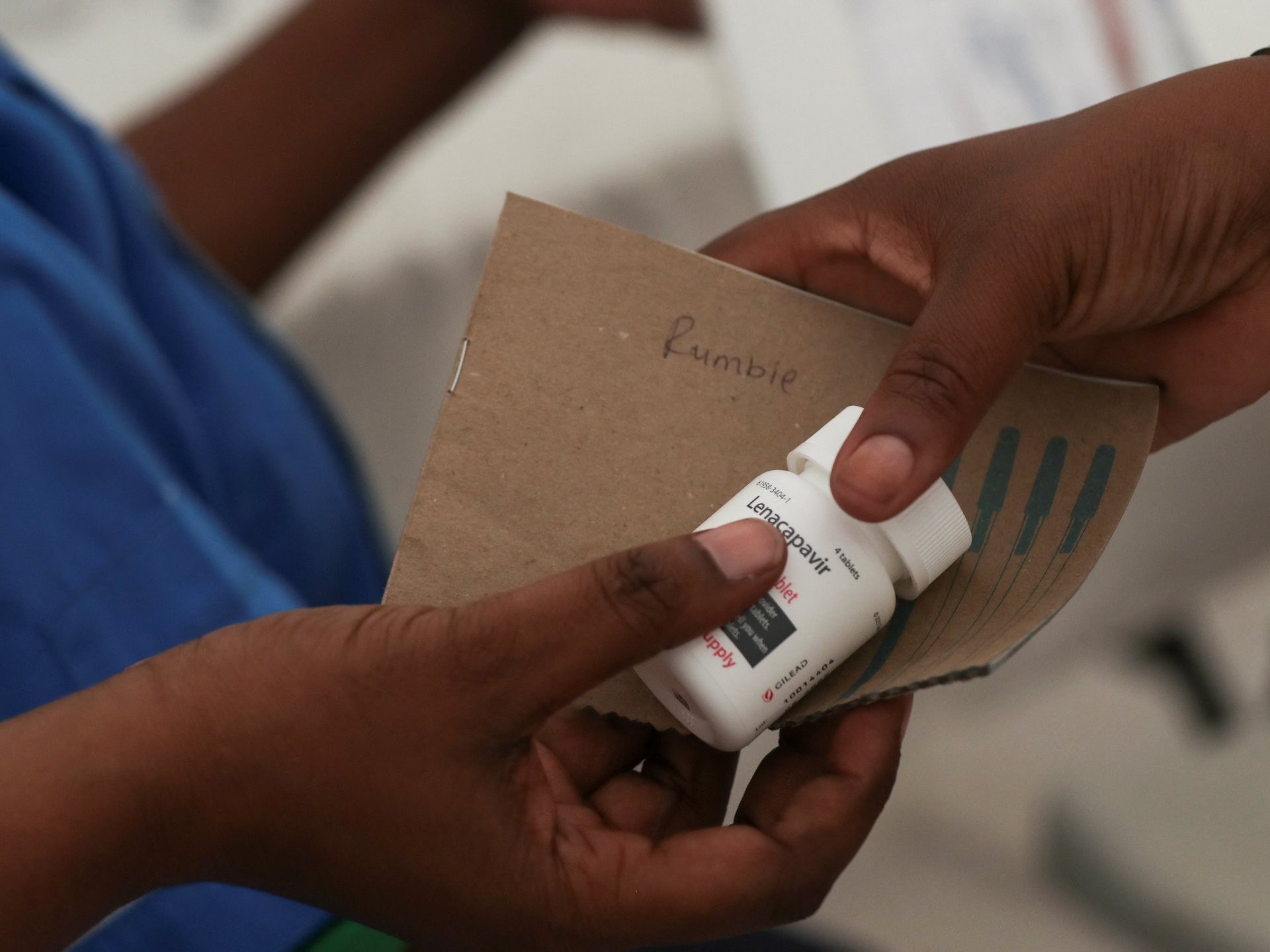
The recent clinical trial results for lenacapavir, a twice-yearly injectable antiretroviral developed by American biopharmaceutical giant Gilead Sciences, have been hailed by the global public health community as a watershed moment in the four-decade fight against HIV. Demonstrating near-total efficacy in preventing infection among high-risk populations, the drug offers a formidable alternative to daily oral pre-exposure prophylaxis (PrEP), which often suffers from adherence challenges. However, the scientific triumph has immediately triggered an intense geopolitical and ethical debate concerning international healthcare equity. Developing economies, particularly across sub-Saharan Africa where the disease burden remains disproportionately high, find themselves at the center of a high-stakes standoff over patent rights, tiered pricing structures, and equitable distribution models reminiscent of historical global health crises.
State actors and international multilateral organizations are increasingly viewing pharmaceutical access not merely as a commercial transaction, but as a core pillar of international security and human development. The diplomatic friction centers on the timeline and scope of technology transfer. While Gilead has announced voluntary licensing agreements with generic manufacturers, critics argue these pacts exclude numerous low- and middle-income countries with high infection rates. The geopolitical fault lines are thus drawn between advanced economies housing major pharmaceutical conglomerates and the developing world demanding universal access to life-saving medical countermeasures through compulsory licensing and WTO TRIPS flexibilities.
Global Trade & Economic Ripples
The commercialization of lenacapavir carries profound implications for global supply chains, pharmaceutical trade flows, and macroeconomic stability in emerging markets. The biopharmaceutical sector operates within a highly complex web of global intellectual property laws, specialized chemical precursor supply chains, and cold-chain logistics. Manufacturing advanced long-acting injectables requires sophisticated industrial capacity that is currently concentrated in a handful of high-income nations. Scaling production to meet global demand necessitates substantial capital expenditure and technology transfers, exposing vulnerabilities in international trade pathways and intellectual property enforcement mechanisms.
Furthermore, the economic burden of procuring premium-priced therapeutics places immense fiscal pressure on developing nation treasuries and international donor agencies like the Global Fund and PEPFAR. When healthcare budgets in the Global South are strained by high-cost proprietary medicines, sovereign debt sustainability is indirectly impacted, forcing difficult fiscal trade-offs between public health investments and critical infrastructure spending. The commodity pricing of pharmaceutical inputs, regulatory approval bottlenecks across disparate national jurisdictions, and trade restrictions on active pharmaceutical ingredients further complicate the global commercial landscape for next-generation therapeutics.
Related Intelligence: Flydubai Jet Plunge Escalates Regional Aviation Crisis and Trade Risks
International Reactions & Diplomatic Stances
Multilateral bodies have responded to the lenacapavir breakthrough with a mixture of cautious optimism and sharp critique. Officials from the Joint United Nations Programme on HIV/AIDS (UNAIDS) and the World Health Organization (WHO) have issued urgent appeals to Gilead Sciences to ensure immediate, transparent, and affordable global access. Public health advocates have staged protests outside pharmaceutical headquarters and international trade forums, demanding the unconditional release of patents to the Medicines Patent Pool. These bodies argue that restrictive licensing terms undermine global disease eradication targets established under the United Nations Sustainable Development Goals.
Conversely, pharmaceutical industry representatives defend current intellectual property frameworks as essential incentives for continuous research and development, noting the billions of dollars required to bring novel antiretrovirals from laboratory discovery to clinical deployment. Market analysts suggest that while corporate philanthropy and tiered pricing offer short-term relief, sustainable long-term access will depend on complex diplomatic negotiations involving bilateral trade agreements, subsidies from donor governments, and the rapid scale-up of local manufacturing hubs in developing regions to insulate supply chains from geopolitical shocks.
Strategic Outlook & Future Scenarios
As the international community prepares for upcoming global health summits and ministerial conferences, the trajectory of lenacapavir will serve as a definitive litmus test for global health governance. Future scenarios hinge on whether pharmaceutical leadership adopts more flexible voluntary licensing terms or faces aggressive challenges via international trade litigation and compulsory licensing decrees by sovereign states. The precedent established by this drug will likely shape the commercialization and distribution framework for future breakthrough therapies in oncology, infectious diseases, and pandemic preparedness.
Diplomatic escalation points are anticipated if infection rates remain stubbornly high in regions excluded from initial manufacturing agreements. Multilateral pressure is expected to intensify, potentially involving coordinated interventions by the World Trade Organization and G20 finance ministers to restructure how essential medicines are priced and distributed during global public health emergencies. Ultimately, the resolution of the lenacapavir access crisis will redefine the intersection of commercial pharmaceutical interests, international trade law, and global human security for decades to come.
Join Our Official WhatsApp Channel
Receive live commodity alerts, policy changes, and commercial intelligence directly on WhatsApp.