
Addis Ababa Explosions Trigger Regional Economic Alarms Across East Africa
Explosions rocking Ethiopia's capital heighten geopolitical risks, threatening critical East African supply chains and regional market stability.
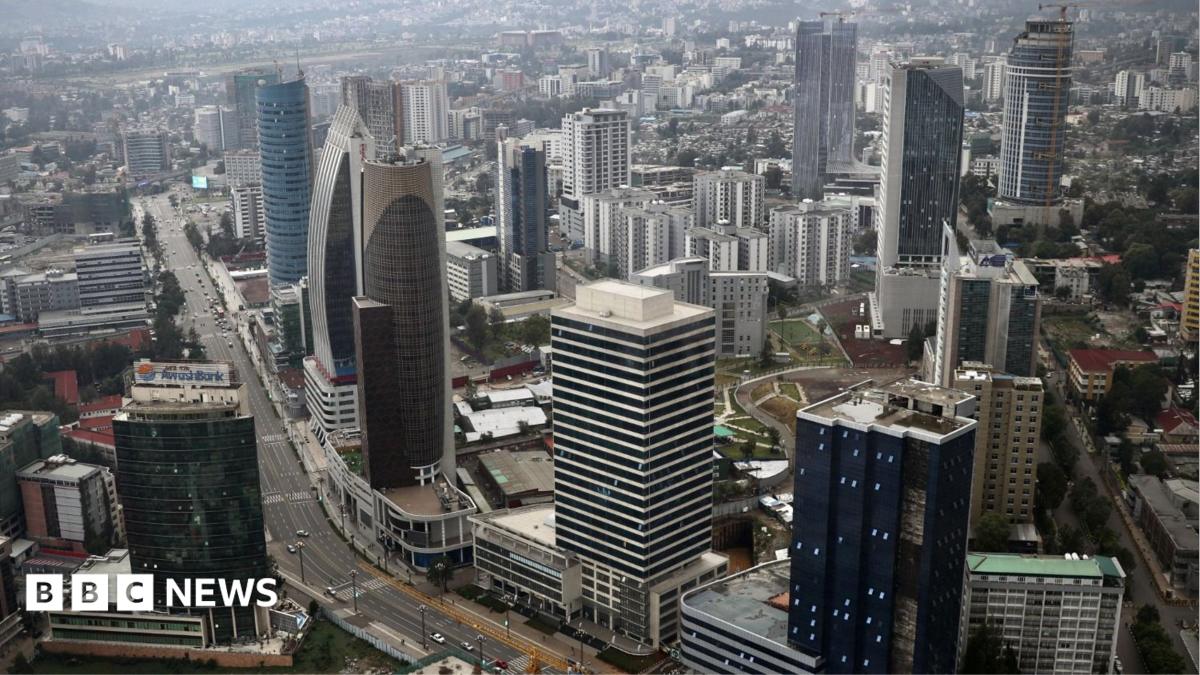
Geopolitical & Core Developments
Security in Ethiopia has deteriorated sharply following reports of explosions in the capital, Addis Ababa, arriving mere days after authorities instituted a blanket ban on drone flights. This escalation occurs precisely one week after intensive combat flared north of the metropolitan boundary, pitting the federal national defense force against an emerging coalition of heavily armed regional factions. The rapid intensification of hostilities shatters months of fragile calm and demonstrates the limitations of federal containment strategies. State actors are currently scrambling to reinforce defensive perimeters around critical infrastructure, while intelligence reports indicate that insurgent networks have successfully penetrated deeper into central highland zones than previously anticipated by international monitors.
Historically, the Horn of Africa remains a geopolitical pivot point where internal state fracture carries immediate transnational consequences. The formation of the new armed alliance signals a dangerous consolidation of opposition forces, transforming fragmented regional grievances into a synchronized military challenge against the central government. As federal authorities invoke emergency protocols and restrict airspace access, diplomatic missions in Addis Ababa have initiated emergency contingency planning. The breakdown of political dialogue underscores the persistent failure of domestic reconciliation frameworks, leaving military calculus as the primary driver of state policy and accelerating the risk of protracted urban warfare.
Global Trade & Economic Ripples
Beyond immediate security concerns, the escalation in Ethiopia carries profound ramifications for global trade networks, agricultural commodities, and regional logistics. As East Africa's economic anchor, instability in Ethiopia directly disrupts vital transport arteries, notably the trade corridor linking landlocked Ethiopia to the strategic port of Djibouti, through which the vast majority of the nation's import and export cargo flows. Logistics operators are already reporting severe delays, soaring war-risk insurance premiums for cargo carriers, and heightened vulnerability of supply chains handling key agricultural exports such as coffee and oilseeds.
Global commodity markets are closely monitoring the situation for potential ripple effects across soft commodity pricing and regional energy distribution networks. Any prolonged disruption to transport infrastructure risks paralyzing foreign exchange generation, further compounding Ethiopia's existing sovereign debt vulnerabilities and acute foreign currency shortages. Furthermore, multinational corporations operating manufacturing and agricultural processing facilities within the industrial parks surrounding Addis Ababa are reassessing operational continuity, potentially triggering a wider withdrawal of foreign direct investment from the sub-region and impacting broader African Continental Free Trade Area integration milestones.
Related Intelligence: Sindh Extends Mir Raza Inquiry Commission Amid Business Security Concerns
International Reactions & Diplomatic Stances
International reactions have been swift, characterized by deep diplomatic anxiety and urgent calls for immediate de-escalation. The United Nations and the Intergovernmental Authority on Development have issued joint appeals urging all belligerents to cease hostilities unconditionally and respect international humanitarian law. Western capitals, traditional bilateral donors, and multilateral financial institutions are expressing profound alarm, warning that renewed civil conflict will permanently derail post-pandemic economic recovery programs and jeopardize billions of dollars in structural development assistance.
Market analysts and sovereign risk rating agencies have begun recalibrating Ethiopia's economic outlook, noting that the combination of fiscal distress and active military conflict severely restricts the administration's capacity to service external debt obligations. While regional organizations attempt back-channel mediation, major global powers are emphasizing the imperative of protecting diplomatic corridors and ensuring unhindered access for humanitarian relief operations. However, stark divisions within the international community regarding leverage and sanctions continue to hamper cohesive diplomatic intervention.
Strategic Outlook & Future Scenarios
Looking ahead, the trajectory of the Ethiopian crisis hinges on the capacity of federal forces to decisively neutralize the newly formed insurgent coalition before conflict entrenches itself within densely populated urban centers. A protracted campaign threatens to fracture the nation along deeply entrenched ethnic lines, mirroring the devastating dynamics of previous regional conflicts and triggering mass displacement across borders into neighboring Kenya, Somalia, and Sudan.
Upcoming diplomatic summits hosted by the African Union will serve as a critical barometer for continental resolve in addressing unconstitutional challenges to state authority. Without a credible, inclusive political framework capable of addressing the root causes of systemic marginalization, Ethiopia faces a prolonged cycle of instability. For international markets and strategic investors, the unfolding crisis serves as a stark reminder of the elevated sovereign risk profile defining the broader Horn of Africa, necessitating stringent risk mitigation and diversified supply chain strategies for the foreseeable future.
Join Our Official WhatsApp Channel
Receive live commodity alerts, policy changes, and commercial intelligence directly on WhatsApp.