
Russia Releases Imprisoned US Citizen Stephen Hubbard Following Diplomatic Negotiations
Moscow has released American citizen Stephen Hubbard after more than two years of detention, marking a rare diplomatic exchange amid fraught bilateral relations between Russia and the United States.
Geopolitical & Core Developments
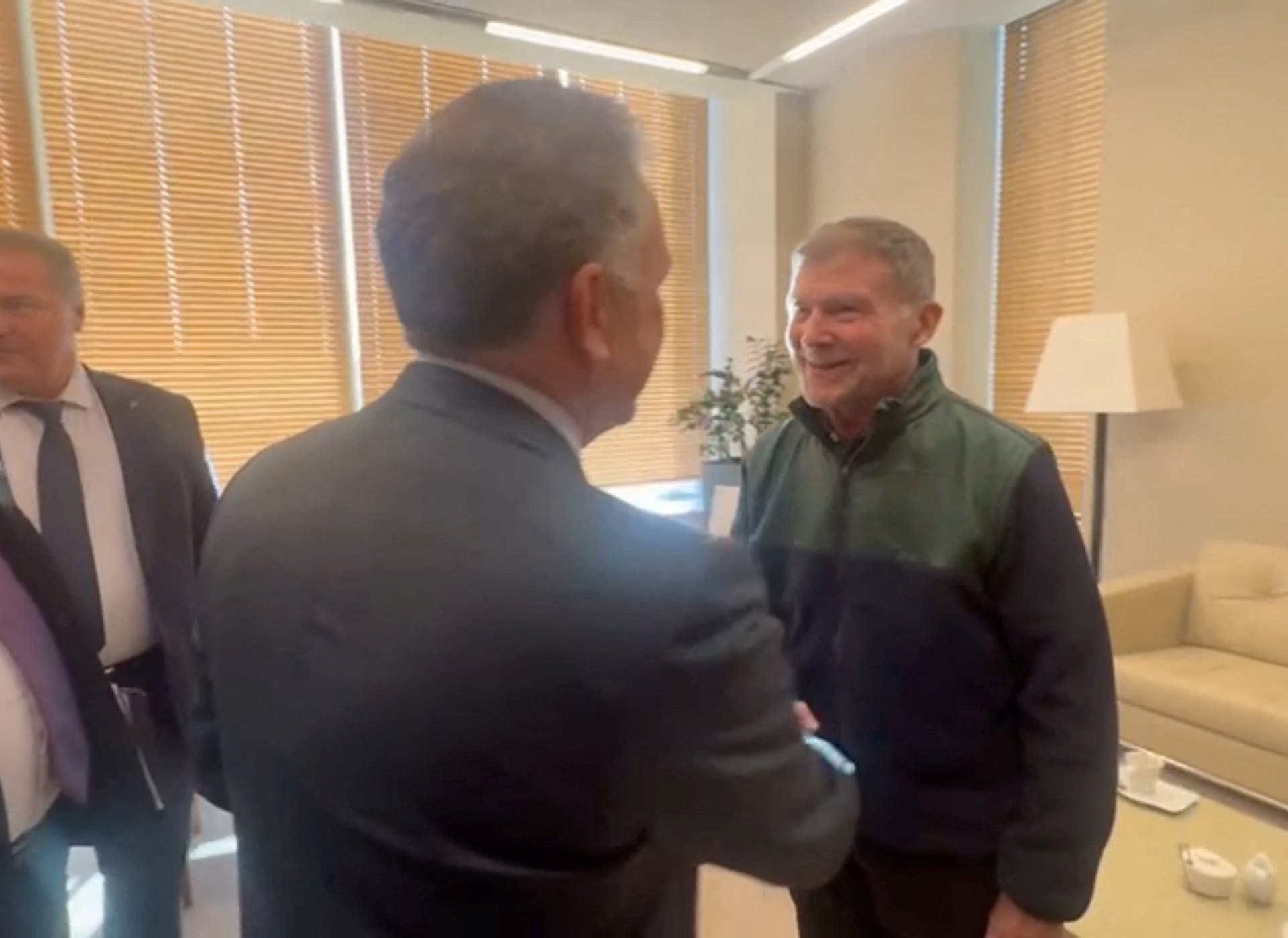
Moscow has freed Stephen Hubbard, a 73-year-old American citizen who had been detained in Russia after being captured by Russian forces in eastern Ukraine in early 2022. Hubbard, a native of Michigan who had lived in Ukraine for nearly a decade, was sentenced by a Moscow court in October 2024 to nearly seven years in a maximum-security penal colony on charges of acting as an armed mercenary for Ukrainian forces—allegations his family and US officials consistently rejected.
Hubbard's handover represents the culmination of sensitive, protracted bilateral intelligence contacts between Washington and Moscow, conducted largely behind closed doors. The development follows a major multilateral prisoner swap conducted in August 2024, which saw several Western journalists and political dissidents freed in exchange for Russian operatives held abroad. Hubbard’s release signals that despite active hostilities in Eastern Europe and severed formal diplomatic relations, backchannel negotiations over detained nationals remain an operational channel between the Kremlin and the White House.
Global Trade & Economic Ripples
While prisoner repatriations are humanitarian and diplomatic breakthroughs, their immediate impact on structural global commerce remains muted. The commercial relationship between Washington, its European allies, and the Russian Federation has undergone a near-complete decoupling since early 2022, driven by layered sanctions, the Group of Seven price cap on Russian seaborne crude, and broad export controls.
Global commodity markets, including Brent crude and European natural gas benchmarks, showed no immediate movement in response to Hubbard's release, reflecting market consensus that targeted consular agreements do not signal an easing of economic warfare. Critical supply chains—ranging from fertilizer and agricultural staples like wheat to industrial metals including nickel and palladium—remain recalibrated around non-Western trade corridors. Shipping lines operating in the Black Sea continue to factor war-risk premiums into commercial freight rates, as navigational threats around Ukrainian grain hubs persist regardless of bilateral diplomatic overtures.
Related Intelligence: Anti Terrorism Court Appoints State Counsel in Mazari Security Route Case
International Reactions & Diplomatic Stances
The United States Department of State welcomed the repatriation of Hubbard, reiterating its commitment to securing the release of remaining American citizens classified as wrongfully detained in Russia. US diplomats highlighted the humanitarian urgency of Hubbard's case given his advanced age and reports of deteriorating health during his incarceration.
Russian foreign ministry representatives framed the resolution as proof that practical outcomes are attainable when bilateral engagements adhere to pragmatic terms rather than political rhetoric. European Union officials, observing the development, reaffirmed their overarching stance: while humanitarian releases are welcomed, fundamental normalization of diplomatic or economic ties remains off the table as long as Russian military operations in Ukraine continue unabated.
Strategic Outlook & Future Scenarios
Looking ahead, the successful resolution of Hubbard's case provides a potential framework for subsequent targeted negotiations over remaining foreign nationals held in Russian penal facilities. However, it does not presage a broader diplomatic thaw. US and European policymakers are concurrently preparing additional tranches of secondary sanctions targeting third-party financial institutions and intermediary logistics firms that facilitate the circumvention of existing embargoes.
In the near to medium term, international trade analysts anticipate continued fragmentation of global energy and commodity markets. Unless diplomatic breakthroughs expand beyond discrete prisoner exchanges into formal cease-fire talks regarding the conflict in Ukraine, the strategic landscape will remain dictated by regulatory enforcement, trade divergence, and elevated operational risk across Eurasian transport routes. Moscow will likely continue expanding settlement mechanisms denominated in local currencies, while Western financial institutions maintain rigorous compliance postures regarding Russian exposure.
Join Our Official WhatsApp Channel
Receive live commodity alerts, policy changes, and commercial intelligence directly on WhatsApp.