
China Edges United States for Historic World Gymnastics Team Title
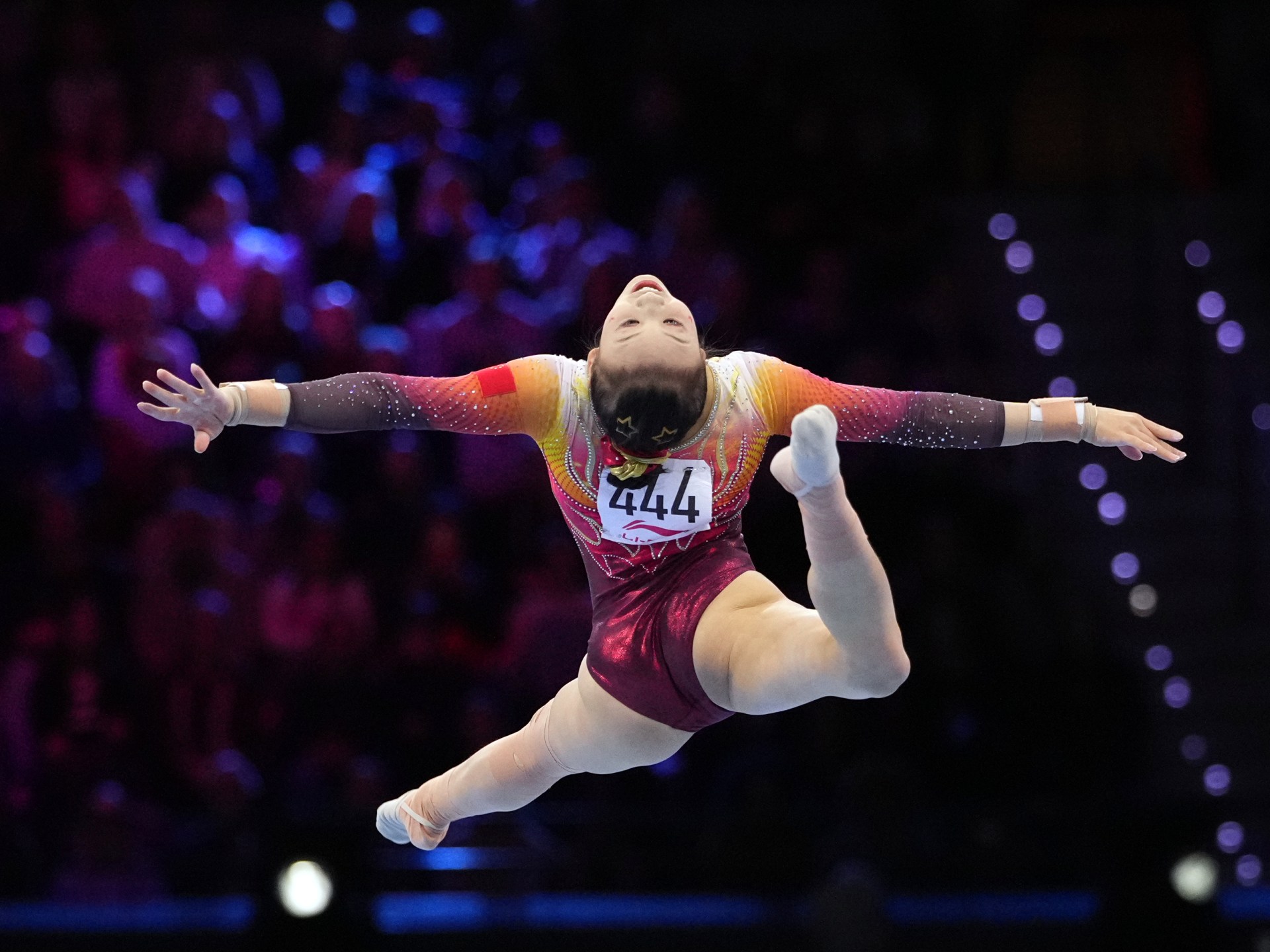
China narrowly defeated the United States to claim the women's team gold at the Gymnastics World Championships, ending an era of sustained American dominance.
Geopolitical & Core Developments
In a display of technical precision and composure under pressure, China’s women’s artistic gymnastics team secured a historic victory over the United States at the Gymnastics World Championships. Finishing with a razor-thin advantage of 0.233 points, the Chinese squad halted the American program’s pursuit of an unprecedented eighth consecutive world team title. The result marks a significant shift in elite international athletics, where podium supremacy carries profound symbolic weight in the broader arena of cultural diplomacy.
The competition unfolded through four tightly contested rotations, with the United States leveraging superior vault difficulty while China established an insurmountable lead on the uneven bars and balance beam. Execution scores proved decisive; China minimized deductions across complex apparatus routines, offsetting the raw athletic power that had long underpinned American dominance. The strategic recalibration of China’s training regimens, emphasizing execution precision over volatile high-difficulty elements, paid definitive dividends on the global stage.
Global Trade & Economic Ripples
While artistic gymnastics occupies a specialized tier within international sport, major championship outcomes reverberate across the global sports economy, sponsorship valuations, and multi-billion-dollar athletic apparel markets. The disruption of American hegemony creates immediate realignments in sports marketing capital, particularly across the Asia-Pacific region. Major multinational sportswear manufacturers, long oriented around dominant Western gymnasts for global merchandising campaigns, face an evolving demographic landscape where Chinese domestic brands continue to capture market share.
Furthermore, premier international sporting events serve as catalysts for high-value media rights, broadcast licensing, and commercial equipment supply contracts. Elite gymnastics equipment—certified under strict International Gymnastics Federation (FIG) technical specifications—relies on specialized European and Asian manufacturing chains. A rebalancing of competitive authority accelerates regional infrastructure investments, athletic facility development, and youth recruitment programs throughout East Asia, stimulating peripheral service industries including sports medicine, specialized apparatus manufacturing, and cross-border event tourism.
Related Intelligence: Real Madrid Consolidates European Prestige with Emphatic Victory Over RB Leipzig
International Reactions & Diplomatic Stances
Delegation officials and sports ministries responded with measured acknowledgment of the shifting competitive landscape. The Chinese Gymnastics Association commended the national team for its discipline and mental fortitude, framing the result as the culmination of long-term strategic reforms initiated following previous Olympic cycles. State media highlighted the achievement as a testament to the nation's institutional investment in elite sports development programs.
Conversely, USA Gymnastics leadership characterized the silver-medal finish as a valuable competitive benchmark, highlighting the resilience of an evolving roster transitioning through generational changes. International Gymnastics Federation observers noted that parity at the pinnacle of the sport enhances global audience engagement, ending a protracted period of unilateral dominance that critics argued had diminished viewer unpredictability. Independent analysts pointed out that the microscopic scoring gap reflects an era of heightened technical scrutiny, where automated scoring aids and rigid code-of-points enforcement eliminate subjective margin buffers.
Strategic Outlook & Future Scenarios
The immediate trajectory points toward an intensified bilateral rivalry between Beijing and Washington as both athletic federations structure their long-term training cycles around upcoming Olympic and World Championship milestones. The United States is expected to accelerate elite junior talent integration and address execution vulnerabilities on balance beam and uneven bars, while China faces the challenge of sustaining depth and physical conditioning across multi-year championship calendars.
On the diplomatic front, athletic encounters between the two superpowers will continue to serve as high-profile venues for soft-power projection. As international sporting bodies navigate complex governance issues—including athlete welfare standards, judging transparency, and regional qualifying pathways—the competitive parity demonstrated at these championships guarantees that future podium clashes will attract intense geopolitical scrutiny alongside mainstream commercial interest.
Join Our Official WhatsApp Channel
Receive live commodity alerts, policy changes, and commercial intelligence directly on WhatsApp.