
Iran Shifts Military Doctrine to Offensive Footing Warning Counter-Invasion Capabilities
Iran's Revolutionary Guard announced a transition to an offensive military doctrine, warning that hostile foreign aggression will trigger immediate cross-border counter-offensives and asymmetrical retaliation.
Geopolitical & Core Developments
Iran's Islamic Revolutionary Guard Corps (IRGC) has declared a formal evolution in its operational posture, warning that the country's military framework has transitioned from a traditionally defensive orientation to an aggressive, offensive, and asymmetrical deterrence doctrine. Senior command officials in Tehran stated that any sovereign state launching strikes against Iranian soil or targeted assets will face retaliatory ground counter-incursions, extensive ballistic strikes, and asymmetrical operations projected directly into the aggressor's sovereign territory.
The strategic recalculation marks a major inflection point in Middle Eastern defense calculus. Historically, Iranian defense posturing relied on perimeter defense, regional proxy alignments, and standoff missile deterrence. Under the newly stated framework, Iranian military planners assert that tactical responses to foreign strikes will no longer be confined to reciprocal missile salvos or proxy actions, but will encompass direct military cross-border operations. The announcement coincides with elevated regional friction, heightened military drills across the Persian Gulf, and continued exchanges of threats involving regional powers and western allied forces.
Global Trade & Economic Ripples
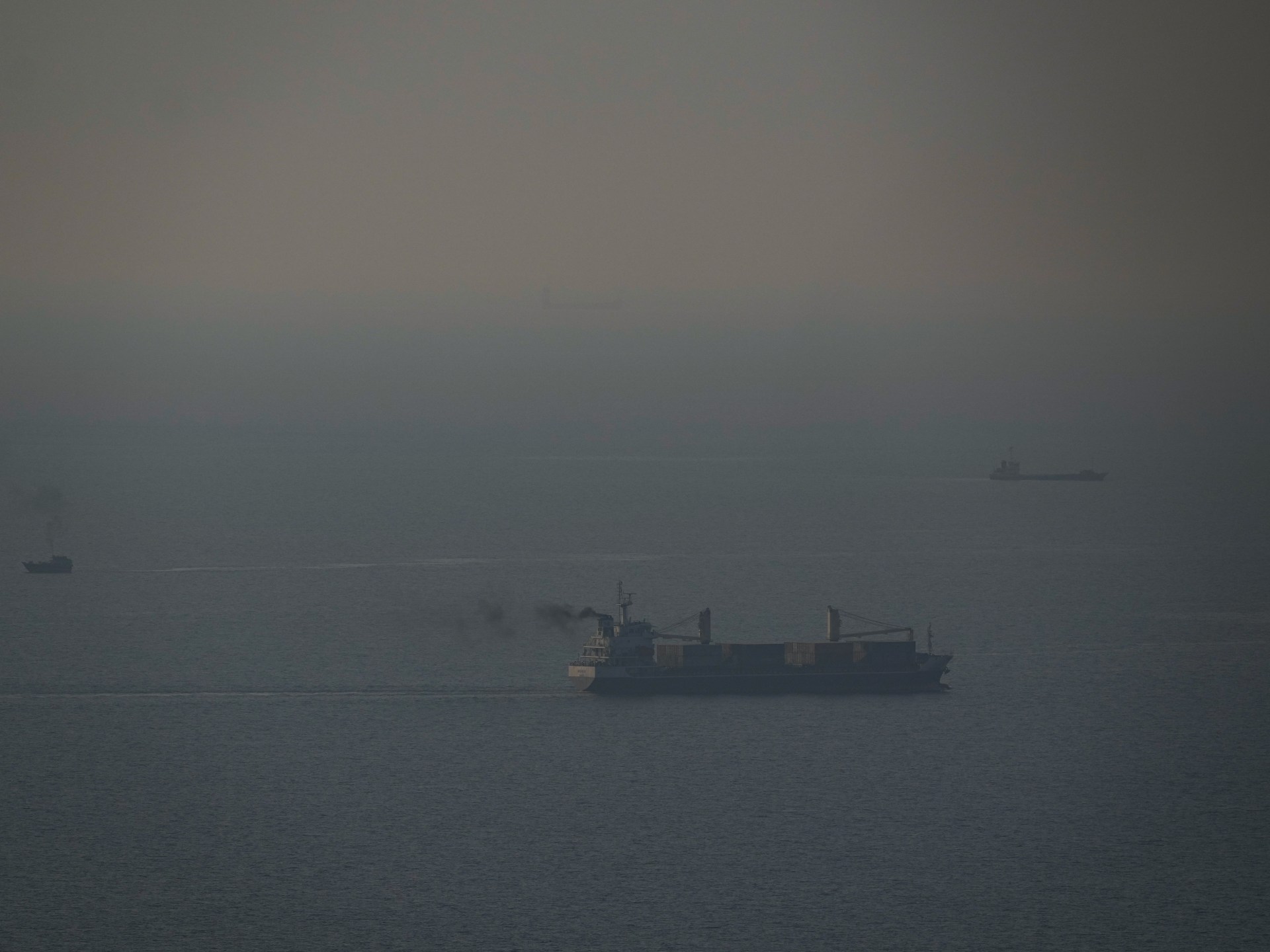
The declaration of an offensive military doctrine introduces fresh volatility into international commodities, commercial shipping, and financial markets. Crude oil benchmarks reacted with swift risk-premium additions, as traders assessed vulnerabilities surrounding the Strait of Hormuz—the vital maritime transit corridor through which roughly one-fifth of global petroleum supplies navigate daily.
Maritime insurance syndicates in London and international underwriting bodies have revised risk advisories for merchant vessels operating across the Persian Gulf, Gulf of Oman, and northern Arabian Sea. Additional war-risk premiums for tankers and bulk freight carriers are expected to escalate, raising landed costs for critical feedstocks, liquefied natural gas (LNG), and agricultural imports heading to Asian and European manufacturing hubs. Beyond energy, international aviation routes are preemptively altering long-haul flight paths to avoid prospective combat airspace, increasing operational expenditures for international airlines and freight carriers through longer flight times and surging jet fuel burn.
Related Intelligence: Iran Rebuffs Western Nuclear Proposals as Regional War Risks Escalate
International Reactions & Diplomatic Stances
Global diplomatic hubs have responded with heightened urgency to Tehran's declared doctrine change. Diplomatic representatives from Washington and allied European capitals condemned the offensive rhetoric, describing the statements as deliberate destabilization that undermines regional security frameworks. Western defense officials stated that joint contingency postures, maritime security coalitions, and surveillance assets in the Middle East maintain persistent operational readiness.
Concurrently, United Nations officials urged all regional stakeholders to exercise restraint and de-escalate bellicose declarations. Regional powers in the Gulf Cooperation Council (GCC) initiated intensified consultations regarding critical infrastructure defense, emphasizing that unmitigated escalations imperil cross-border economic integration, infrastructure investments, and international port operations. Analysts at prominent international security institutes noted that the doctrine represents a calculated bid by Tehran to establish absolute deterrence against pre-emptive strikes on its strategic and nuclear facilities.
Strategic Outlook & Future Scenarios
The pivot toward an asymmetrical and offensive deterrence framework significantly narrows the margin for tactical miscalculation in the Middle East. Over the near term, regional dynamics are likely to be defined by high-intensity air defense readiness, expanded naval maneuvers, and increased friction along sensitive maritime choke points.
If military skirmishes or targeted strikes occur, Tehran's commitment to offensive retaliation guarantees that limited strikes can escalate rapidly into broader multi-theater confrontations. Multinational shipping firms and industrial conglomerates are actively reviewing contingency supply routes and inventory stockpiles to insulate against sudden transit disruptions. Multilateral forums, including upcoming security sessions at the United Nations, will face heightened pressure to establish direct de-escalation channels before operational misreadings trigger uncontrolled regional military engagement.
Join Our Official WhatsApp Channel
Receive live commodity alerts, policy changes, and commercial intelligence directly on WhatsApp.