
New York Horse Carriage Ban Sparks Broader Urban Economic Debate
New York City's proposed ban on historic horse-drawn carriages signals an accelerating global transition toward animal-welfare-focused municipal regulations, presenting structural disruption to urban tourism labor and specialized agricultural supply chains.
Geopolitical & Core Developments
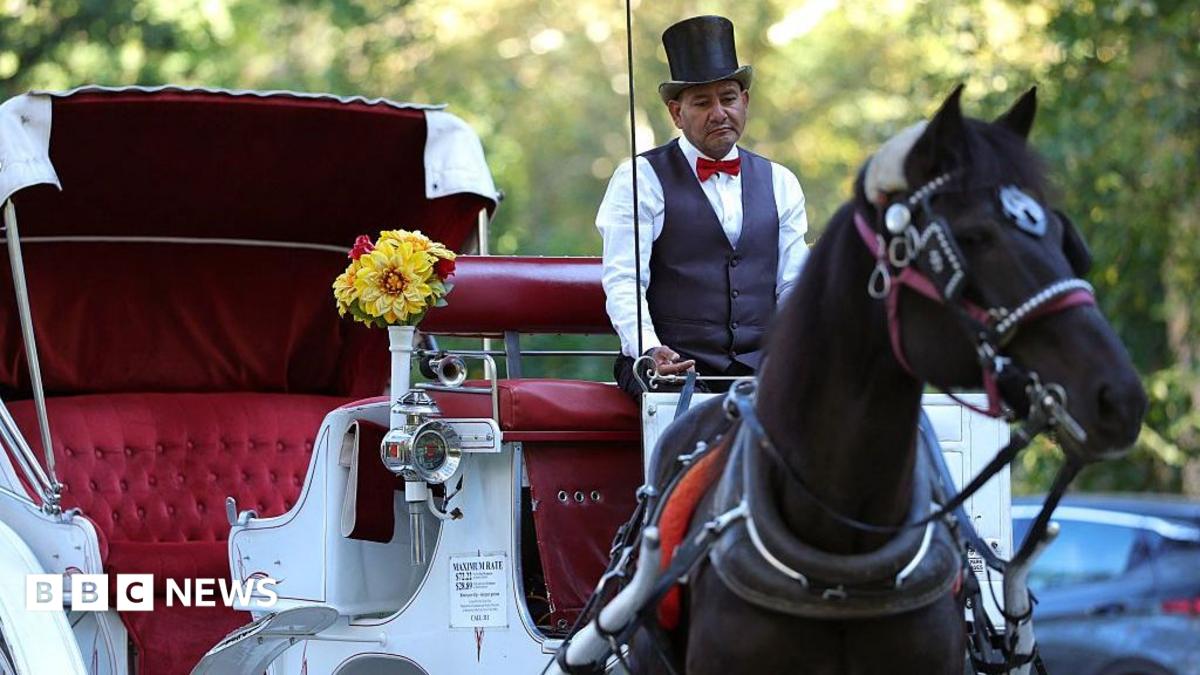
The municipal government of New York City has initiated legislative proceedings to phase out the 160-year-old tradition of horse-drawn carriages operating across Central Park and Manhattan's thoroughfares. Propelled by animal advocacy coalitions and metropolitan lawmakers, the draft ordinance seeks to replace equine carriages with electric horseless alternatives, citing modern urban congestion, elevated heat stress risks, and recurrent traffic collisions. Conversely, carriage operators represented by the Transport Workers Union argue that the prohibition threatens hundreds of working-class livelihoods reliant on tourist footfall. The development is not isolated; it mirrors similar municipal interventions across international metropolitan centers, including Rome, Montreal, Barcelona, and Guadalajara, where municipal councils have systematically curtailed or outlawed working animals in high-density corridors. This regulatory trend underscores a widening structural conflict between heritage tourism paradigms and contemporary environmental and social governance standards adopted by world cities.
Global Trade & Economic Ripples
While localized at first glance, the commercial ramifications of urban carriage bans propagate across international hospitality networks, specialized manufacturing, and rural commodity flows. In North America and parts of Europe, the commercial carriage industry directly sustains specialized veterinary services, carriage construction, and agrarian demand for feed grains, timothy hay, and equine bedding commodities. A sudden contraction of the metropolitan carriage sector diminishes demand for draft horse bloodlines, disrupting regional agricultural suppliers tied into metropolitan markets. Simultaneously, the forced modernization toward electric retro-style vehicles stimulates cross-border supply chains for low-speed electric vehicle (LSEV) drivetrains, lithium iron phosphate battery cells, and specialized chassis components predominantly imported from East Asian industrial hubs. On a broader scale, tourism services face immediate labor adjustment costs, where operational margins must absorb capital-intensive fleet conversions, altering the economics of experiential urban tourism.
Related Intelligence: West Bank Settler Violence Escalates Regional Geopolitical and Supply Chain Risks
International Reactions & Diplomatic Stances
International labor federations and urban planning bodies have observed the New York proceedings closely as a precedent-setting case for municipal labor displacement. The International Transport Workers' Federation has consistently warned municipal governments against enacting rapid regulatory prohibitions without comprehensive transitional safety nets and retraining programs for traditional operators. Conversely, global animal welfare organizations, including Eurogroup for Animals and World Animal Protection, have formally commended the trajectory, urging international bodies such as the UN World Tourism Organization (UNWTO) to codify animal welfare benchmarks into sustainable urban tourism standards. Market analysts note that cities positioning themselves as environmentally sustainable destinations are coming under increasing institutional pressure from international travelers and ethical investment frameworks to eliminate working animals from commercial urban service.
Strategic Outlook & Future Scenarios
The trajectory of the New York legislation will serve as a bellwether for remaining working-equine operations throughout Europe, Latin America, and North Africa. If passed, the phase-out timeline is anticipated to trigger legal challenges regarding property rights, medallion valuations, and municipal compensation models. In the medium term, metropolitan tourism markets will increasingly transition to standardized, zero-emission electric replicas, creating a consolidated global market for heritage-style low-speed commercial vehicles. Developing economies that maintain working carriage sectors for vital transit and tourism may experience intensified diplomatic and consumer scrutiny from international tourism boards, compelling phased transitions that require targeted capital investment, bilateral technical assistance, and structured vocational retraining initiatives.
Join Our Official WhatsApp Channel
Receive live commodity alerts, policy changes, and commercial intelligence directly on WhatsApp.