
Russia Faces Multi-Billion Dollar Nuclear Decommissioning Crisis
Russia faces a massive financial challenge to dismantle ageing domestic nuclear reactors while simultaneously expanding its commercial atomic footprint across developing international markets.
Geopolitical & Core Developments
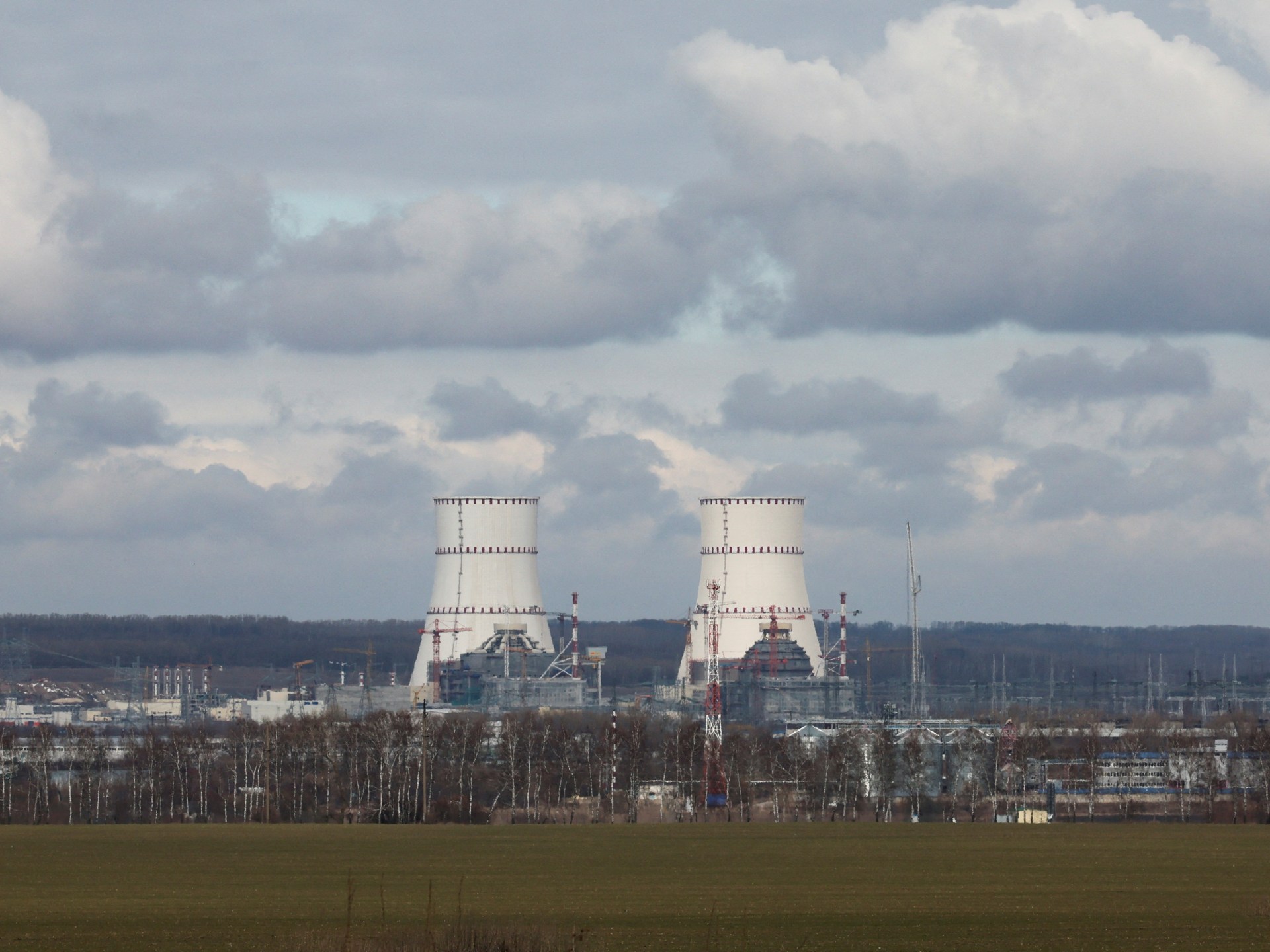
Russia stands at a critical juncture in its civil nuclear history as a vast fleet of first-generation Soviet-era reactors approaches the definitive end of their operational lifespans. Constructed decades ago under centralized state directives, these pioneering facilities formed the backbone of the Soviet Union's energy independence and technological prestige. Today, however, the physical degradation of graphite-moderated and early pressurized water reactors demands unprecedented engineering interventions. Moscow faces a monumental decommissioning bill that threatens to strain federal budgets already burdened by extensive military expenditures and Western economic sanctions.
Simultaneously, the state-owned atomic energy corporation, Rosatom, continues to pursue an aggressive global strategy, exporting reactor technology, fuel cycles, and construction services to emerging economies across Asia, the Middle East, and Africa. This dual reality—maintaining a crumbling domestic nuclear legacy while marketing cutting-edge reactors abroad—creates a complex strategic paradox. The Russian state must allocate vast financial and technical resources to safely dismantle radioactive infrastructure at home without compromising its competitive edge in international export markets where it holds a dominant position in enriched uranium supply chains.
Global Trade & Economic Ripples
The looming decommissioning crisis carries profound implications for global energy markets, particularly regarding the specialized supply chains governing nuclear fuel and radioactive waste management. Dismantling commercial reactors requires highly specialized engineering capabilities, remote robotics, and secure long-term geological repositories, all of which represent multi-billion-dollar outlays. As Russia diverts capital to manage these aging domestic assets, international commodity markets are closely monitoring potential shifts in Rosatom's export pricing strategies and its ability to fulfill long-term uranium enrichment contracts.
Furthermore, global logistics and shipping lanes dedicated to hazardous materials face heightened regulatory scrutiny. The movement of spent nuclear fuel and radioactive components out of decommissioned facilities demands stringent security protocols, impacting international maritime insurance rates and bilateral trade agreements. Any financial miscalculation by Moscow regarding domestic decommissioning liabilities could trigger ripple effects across the global nuclear fuel cycle, influencing everything from spot prices for yellowcake uranium to the capital expenditure plans of rival Western energy conglomerates seeking to rebuild their own domestic fuel fabrication capabilities.
Related Intelligence: Gaza Conflict Escalation Threatens Middle East Trade Stability
International Reactions & Diplomatic Stances
International oversight bodies, including the International Atomic Energy Agency (IAEA), have repeatedly emphasized the universal imperative of maintaining rigorous safety standards throughout the decommissioning phase of civil nuclear facilities. While technical cooperation between Moscow and global regulators persists on safety protocols, geopolitical tensions have complicated multilateral oversight. Western governments, having imposed broad sanctions on Russian financial institutions and high-tech sectors, view Rosatom's operations with increasing strategic apprehension, though direct sanctions on Russian uranium and nuclear services have remained selective due to high foreign dependency.
Energy market analysts and geopolitical risk consultancies note that Western utilities remain tethered to Russian enrichment services, creating a delicate diplomatic equilibrium. Multilateral bodies stress that the financial burden of managing legacy nuclear waste should not compromise environmental safety standards or emergency preparedness frameworks. Neighboring European nations, particularly in Eastern Europe and the Baltic region, continue to voice concerns regarding transboundary environmental risks associated with delayed decommissioning schedules and the long-term integrity of interim storage facilities situated near international borders.
Strategic Outlook & Future Scenarios
Looking ahead, the trajectory of Russia's nuclear decommissioning sector will depend heavily on macroeconomic stability, oil and gas export revenues, and the depth of international technological isolation. If federal funding falls short of estimated requirements, Moscow may be forced to decelerate domestic decommissioning timelines, potentially increasing operational risks at aging plants or compelling deeper reliance on state subsidies at the expense of other infrastructure priorities.
Upcoming international energy summits and bilateral trade negotiations will likely feature intense discussions regarding supply chain diversification and the future of global nuclear governance. As Western nations invest heavily in domestic enrichment and waste management capabilities to decouple from Russian dependencies, Moscow will seek to consolidate partnerships with non-aligned nations through turnkey financing models. Ultimately, how Russia navigates this multi-billion-dollar liability will redefine its standing as a premier global nuclear superpower, shaping international safety norms and commercial competition for decades to come.
Join Our Official WhatsApp Channel
Receive live commodity alerts, policy changes, and commercial intelligence directly on WhatsApp.