
Iran Conditions Strait of Hormuz Reopening on US Concessions
Tehran insists the critical Strait of Hormuz will stay closed until the US meets its conditions, complicating global energy security and nuclear negotiations.
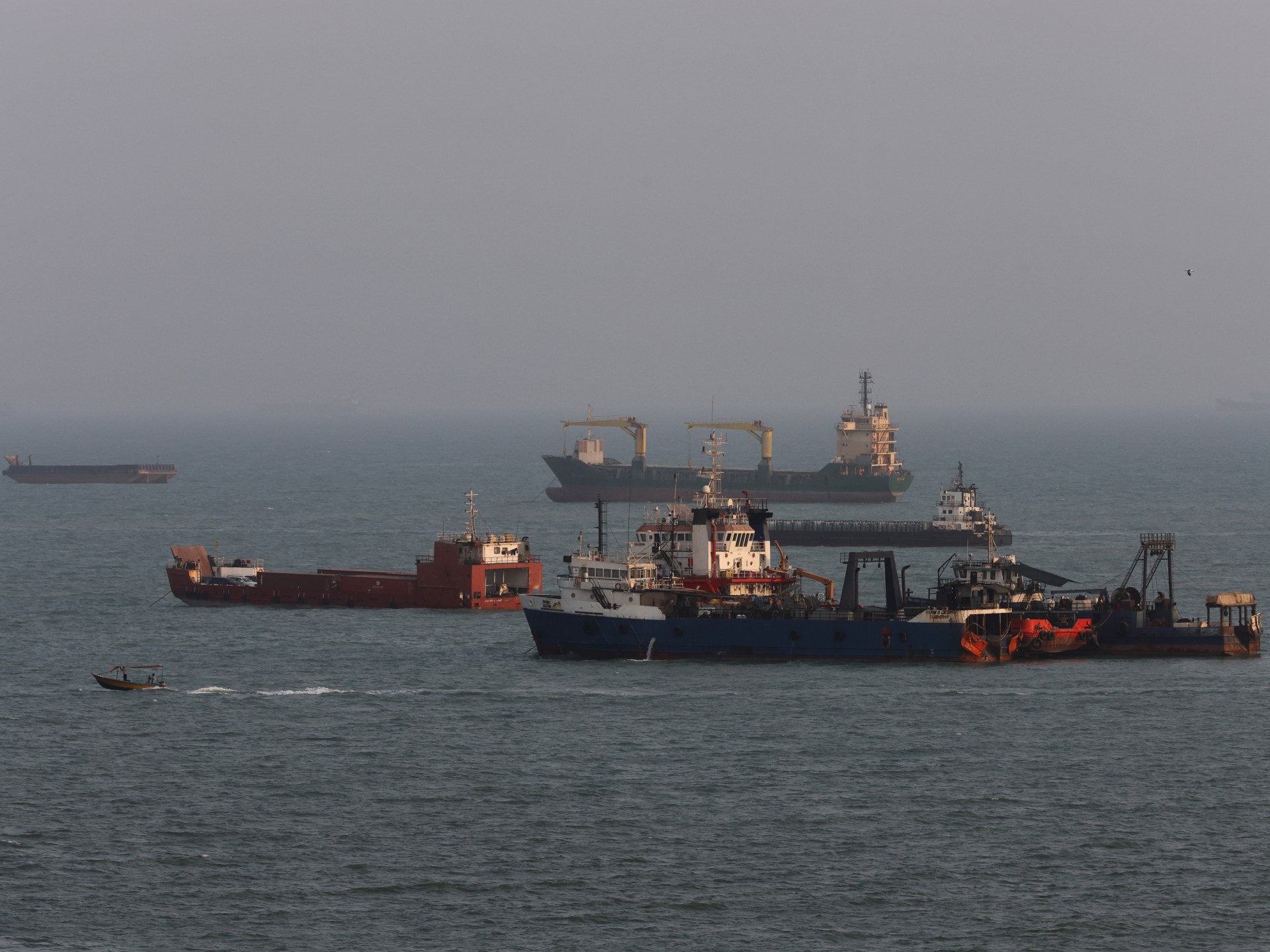
Geopolitical & Core Developments
The standoff over the Strait of Hormuz has entered a critical phase, with Tehran declaring that the vital waterway will remain strictly closed to international shipping until the United States satisfies a series of stringent conditions. Iranian state officials reiterated that while reopening the strategic maritime corridor is a stated long-term objective, normal traffic will not resume under current pressure tactics. The United States, conversely, has maintained an unwavering focus on resurrecting comprehensive nuclear talks and curbing Iran's uranium enrichment programs, creating a dangerous diplomatic divergence. Washington views maritime security as a non-negotiable prerequisite for any regional de-escalation, whereas Tehran demands immediate sanctions relief and the cessation of naval patrols as baseline requirements for dialogue. This fundamental disagreement has effectively paralyzed bilateral backchannels, leaving international mediators scrambling to find common ground amid escalating military posturing in the Persian Gulf.
Global Trade & Economic Ripples
The prolonged closure of the Strait of Hormuz—through which roughly twenty percent of the world's petroleum passes daily—has sent immediate and severe shockwaves across global commodity markets. Brent crude futures surged past multi-month highs as supertankers and commercial cargo vessels were forced to idle or seek perilous, cost-prohibitive detours around the Cape of Good Hope. Energy analysts warn that sustained bottlenecks will inevitably translate into soaring retail fuel prices, stoking inflationary pressures across major industrialized economies already grappling with sluggish growth. Beyond crude oil and liquefied natural gas, the maritime blockade has disrupted vital non-energy supply chains, including agricultural commodities and industrial raw materials exported from the Middle East to Asian and European markets. Insurance premiums for vessels operating in adjacent waters have skyrocketed, prompting maritime freight operators to recalculate transit viability and pass exorbitant costs directly onto global consumers.
Related Intelligence: Ethiopian Federal Forces Seize Mekelle as Tigray Conflict Enters Critical Phase
International Reactions & Diplomatic Stances
Global capitals and multilateral organizations have responded to the closure with mounting alarm and urgent calls for restraint. United Nations Secretary-General António Guterres urged all parties to prioritize freedom of navigation under international law, warning that protracted disruptions to maritime commerce threaten fragile developing economies. European Union foreign policy chiefs have attempted to revive independent diplomatic channels, emphasizing that regional stability cannot be held hostage to the stalled bilateral nuclear dossier. Meanwhile, major Asian energy importers—particularly China, Japan, and South Korea—have expressed deep anxiety over their prolonged exposure to supply shocks, quietly pressing both Washington and Tehran to establish an immediate naval de-confliction mechanism. Market analysts caution that without a unified international coalition to guarantee safe passage, speculative volatility in commodity trading desks will remain exceptionally high.
Strategic Outlook & Future Scenarios
Looking ahead, the trajectory of the Strait of Hormuz crisis remains dangerously unpredictable, with multiple escalation pathways threatening wider regional conflict. If bilateral negotiations remain frozen, military miscalculation in the narrow waters could trigger a kinetic confrontation, transforming a commercial choke point into an active combat zone. Upcoming ministerial summits at the United Nations General Assembly represent a critical window for backchannel diplomacy, though few experts anticipate an immediate breakthrough given the deep mutual distrust. Sanctions enforcement is expected to tighten further should Tehran maintain its blockade, leading to a prolonged economic standoff. Ultimately, the resolution of this crisis will depend on whether Washington is willing to decouple maritime security from the broader nuclear negotiations or if Tehran will utilize energy leverage to force structural concessions.
Join Our Official WhatsApp Channel
Receive live commodity alerts, policy changes, and commercial intelligence directly on WhatsApp.