
Russia Expands Military Force Amid Stalled Ukraine Offensive
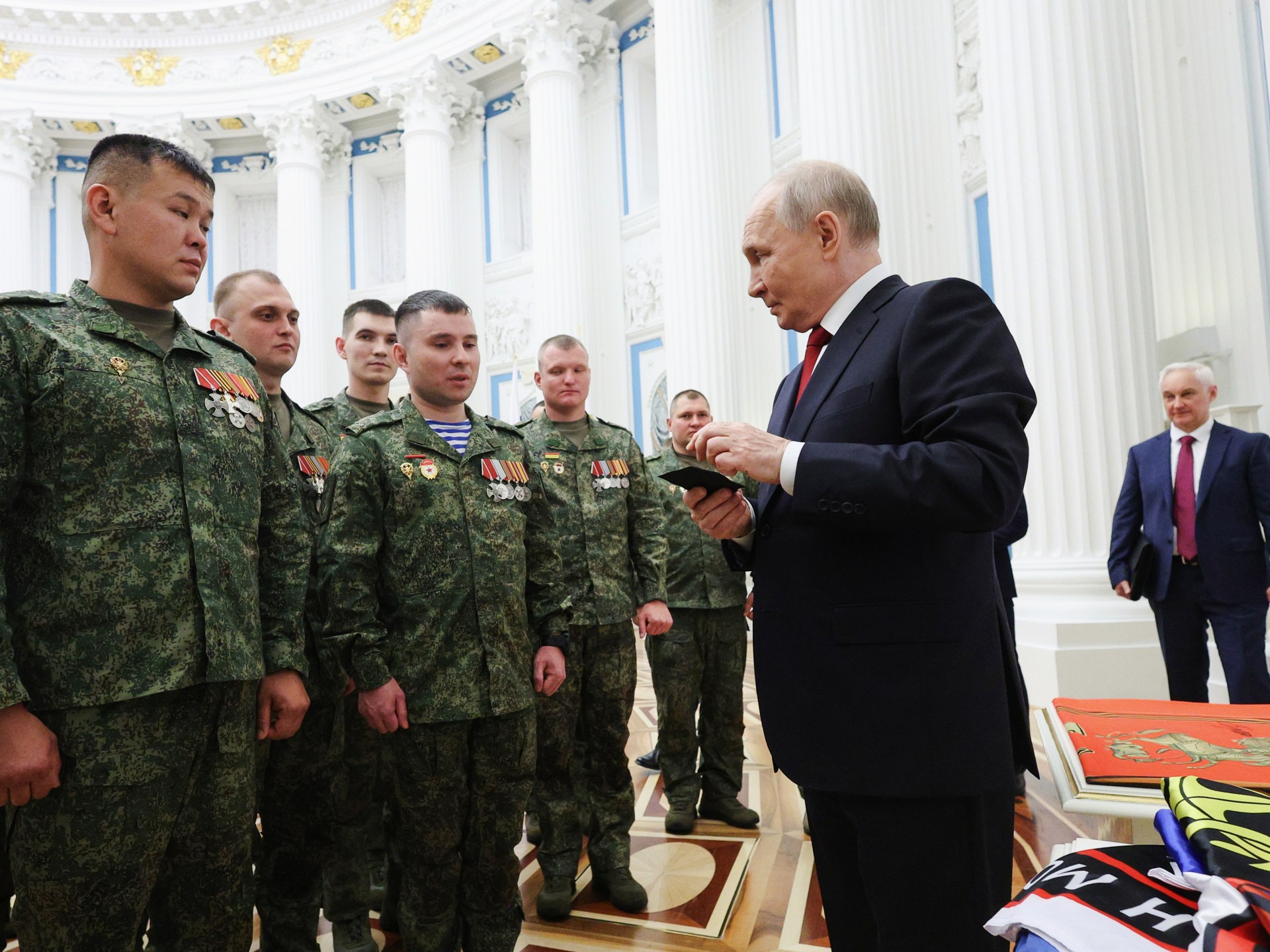
President Vladimir Putin has ordered the addition of 15,000 troops to Russia's military, marking the fourth expansion this year as the Ukraine conflict stalls.
Geopolitical & Core Developments
Russian President Vladimir Putin has signed a sweeping decree expanding the active-duty personnel of the Russian armed forces by an additional 15,000 soldiers. This strategic maneuver represents the fourth formal military expansion authorized by Moscow within a single calendar year, highlighting the sustained human capital demands of the ongoing conflict in Ukraine. The relentless attrition on the front lines, combined with the Kremlin's strategic objective to maintain sustained offensive pressure across multiple axes, has necessitated continuous force regeneration. Western intelligence estimates suggest that Russian casualties have mounted significantly, prompting military planners to continuously replenish combat formations to prevent operational stagnation. By incrementally scaling up troop numbers through targeted enlistment drives and continuous conscription cycles, Moscow aims to sustain its military momentum without resorting to another highly disruptive mass mobilization wave that could provoke domestic economic friction.
Global Trade & Economic Ripples
The persistent escalation of the Ukraine conflict and Russia's ongoing military restructuring continue to send profound shockwaves through global commodity and energy markets. Persistent sanctions regimes, coupled with Moscow's military-industrial prioritization, have fundamentally restructured global supply chains for critical raw materials, including agricultural staples, industrial metals, and fossil fuels. As Russia absorbs greater fiscal and human capital into its defense apparatus, domestic labor shortages in civilian sectors intensify, driving up production costs and feeding inflationary pressures across key export verticals. Energy markets remain acutely sensitive to any signals of prolonged conflict, with European natural gas and global crude benchmarks reacting nervously to shifts in Russian strategic posture. Furthermore, ongoing uncertainties surrounding maritime shipping lanes in the Black Sea continue to complicate grain and fertilizer logistics, impacting food security across developing economies and sustaining elevated freight insurance premiums.
Related Intelligence: West Bank Violence Escalates Geopolitical Risks for Trade and Energy
International Reactions & Diplomatic Stances
International capitals and multilateral organizations have responded to Moscow's latest force expansion with deep skepticism and heightened vigilance. Western defense officials interpret the recurring troop increments as a clear indicator of structural manpower deficits rather than a sign of strategic strength. Diplomats at the United Nations have reiterated concerns regarding the long-term destabilizing effects of the prolonged hostilities, emphasizing the heavy civilian toll and the growing risks of inadvertent escalation. Meanwhile, market analysts and international trade bodies note that the entrenchment of a war economy in Russia diminishes the near-term probability of a negotiated settlement, cementing a bifurcated global trade architecture where traditional western markets and eastern partners operate under increasingly divergent regulatory and financial frameworks.
Strategic Outlook & Future Scenarios
Looking toward the medium term, the trajectory of the conflict suggests a protracted war of attrition with severe implications for global macroeconomic stability. As Moscow fortifies its military capacity through incremental expansions, international sanctions coalitions are reportedly preparing secondary enforcement mechanisms to target sanction-evasion networks operating across third-party jurisdictions. Upcoming diplomatic summits and G20 engagements are expected to focus heavily on stabilizing energy corridors and mitigating the secondary inflationary impacts of the war on emerging market economies. Without a breakthrough in diplomatic channels, the risk of sustained geopolitical fragmentation, higher structural defense spending among European powers, and ongoing volatility in international trade channels will remain defining features of the global economic landscape.
Join Our Official WhatsApp Channel
Receive live commodity alerts, policy changes, and commercial intelligence directly on WhatsApp.