
Russian Tu-95 Bomber Crash Heightens Strategic Tensions and Security Focus
A fatal crash involving a Russian nuclear-capable Tu-95 bomber in the Amur region highlights ongoing operational challenges within strategic long-range aviation.
Geopolitical & Core Developments
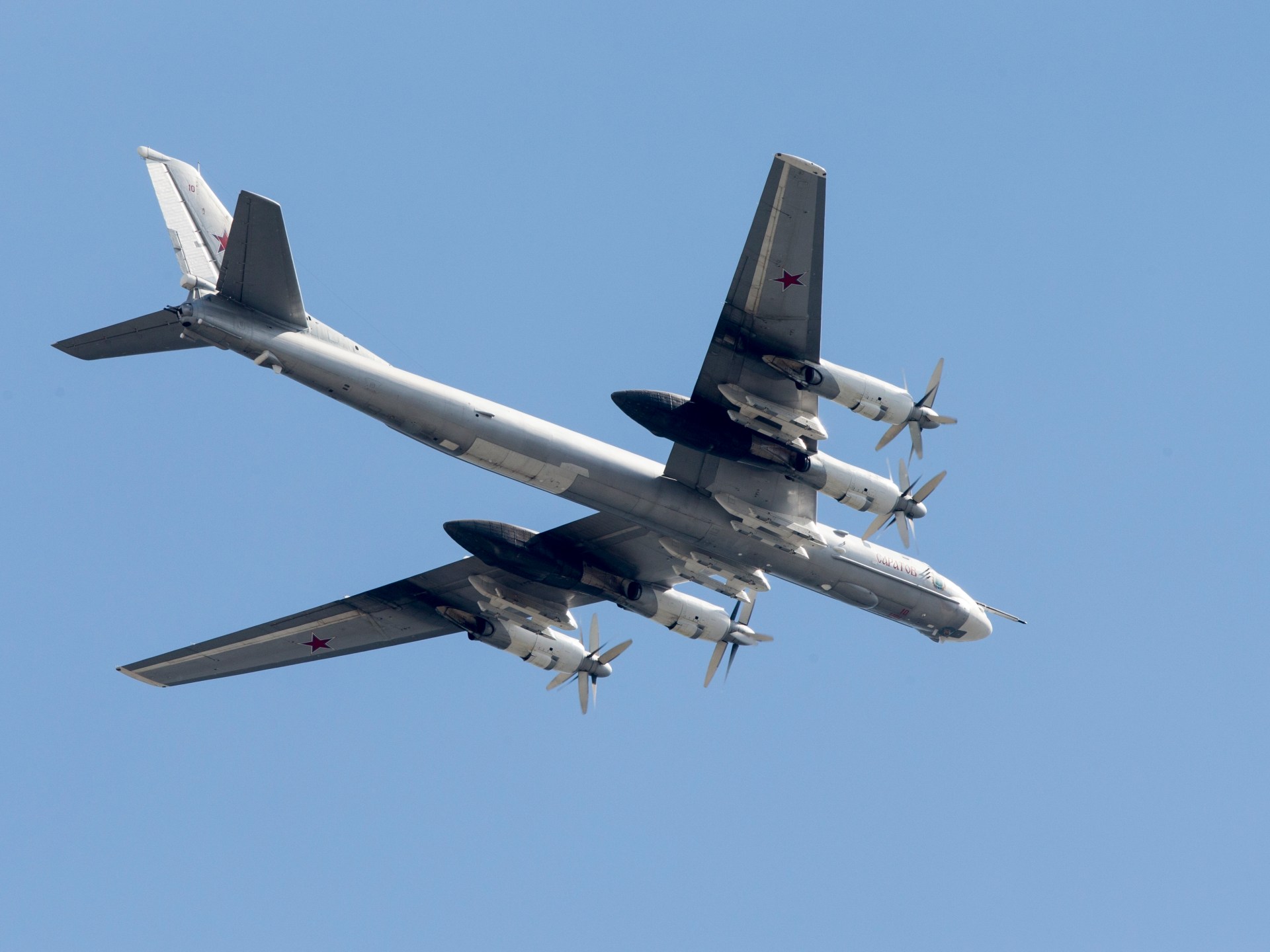
A strategic Russian Tupolev Tu-95 nuclear-capable bomber crashed during a routine training flight in an uninhabited area of the Amur region in Russia's Far East, resulting in the deaths of six crew members, according to announcements from the Russian Defence Ministry. The four-engine turboprop strategic bomber, a cornerstone of Moscow's long-range aviation fleet and nuclear triad, encountered catastrophic technical failure before going down. Emergency response teams and military investigators were swiftly dispatched to the remote crash site to recover flight data recorders and ascertain the precise sequence of mechanical or operational anomalies that led to the disaster.
The Tu-95, NATO-designated 'Bear', has been a foundational element of Soviet and subsequently Russian strategic air power since the Cold War era. Despite extensive modernization programs designed to extend their operational lifespan and integrate advanced cruise missile capabilities, these legacy airframes are subjected to demanding flight regimes and continuous patrol cycles. Military analysts note that while training accidents of this nature occur independently of active combat operations, the loss of high-value strategic assets and experienced flight crews places a tangible strain on institutional capabilities amid broader geopolitical confrontations.
Global Trade & Economic Ripples
While the crash occurred in a remote, uninhabited sector and caused no direct disruption to local civilian infrastructure or immediate commercial supply chains, incidents involving Russia's strategic nuclear delivery platforms inevitably register across global commodity and defense markets. Energy and grain traders closely monitor any domestic security developments within the Russian Federation for potential signals regarding industrial stability, military prioritization, and infrastructure security. Long-range aviation readiness is intimately tied to national risk assessments, which directly influence sovereign risk premiums, international insurance rates for vessels operating in adjacent maritime zones, and investor sentiment across emerging markets.
Furthermore, the ongoing requirement to maintain and eventually replace aging strategic fleets intersects with international sanctions regimes restricting Russia's access to advanced avionics, specialized metallurgy, and dual-use technological components. As defense manufacturing supply chains adapt to prolonged geopolitical isolation, incidents involving structural failures in legacy platforms underscore the long-term logistical pressures facing state-directed industrial sectors. These pressures ripple through broader macroeconomic indicators, influencing defense sector valuations and capital allocation strategies among institutional investors globally.
Related Intelligence: Essar's US Steel Expansion Tests Global Sanctions and Geopolitical Lines
International Reactions & Diplomatic Stances
International observers, defense attachés, and intelligence agencies across North America, Europe, and the Indo-Pacific analyzed the incident through the lens of strategic stability and aviation safety. Multilateral bodies and foreign ministries emphasized the inherent risks associated with high-tempo military operations involving nuclear-capable systems, reiterating the ongoing necessity for transparent communication channels to prevent miscalculation or accidental escalation. Regional neighbors, including China and Japan, tracked the military movements and search-and-rescue operations in the Russian Far East, reflecting the sensitivity of airspace management in the North Pacific corridor.
Defense analysts in London and Washington noted that the loss of a Tu-95 airframe reduces the operational inventory of platforms utilized for routine patrols near allied airspace boundaries. While routine training accidents do not alter the immediate strategic balance of power, they serve as critical data points for intelligence assessments regarding maintenance burdens, pilot fatigue, and the sustainability of high-tempo strategic patrols against the backdrop of extensive resource commitments elsewhere.
Strategic Outlook & Future Scenarios
Looking ahead, the Russian Ministry of Defence is expected to temporarily ground remaining Tu-95 fleets pending comprehensive technical inspections of engine components, fuel systems, and flight control surfaces. This mandatory pause in training sorties will temporarily reduce the frequency of long-range strategic patrols, providing a brief respite for regional air defense networks monitoring Russian maneuvers in the Arctic, North Atlantic, and Pacific theaters.
Over the medium to long term, this incident underscores the imperative for Moscow to accelerate next-generation strategic aviation projects, such as the PAK DA stealth bomber program, though industrial sanctions and technological bottlenecks remain formidable hurdles. As global powers continue to modernize their nuclear triads against a backdrop of deteriorating arms control architectures, the safety, reliability, and modernization trajectories of strategic delivery systems will remain central to international security dialogues and market risk evaluations.
Join Our Official WhatsApp Channel
Receive live commodity alerts, policy changes, and commercial intelligence directly on WhatsApp.