
Turkish Arrests of Football Officials Send Shockwaves Through Ankara
Turkey arrests its football refereeing body president and six officials, exposing deep-seated governance vulnerabilities that concern international investors.
Geopolitical & Core Developments
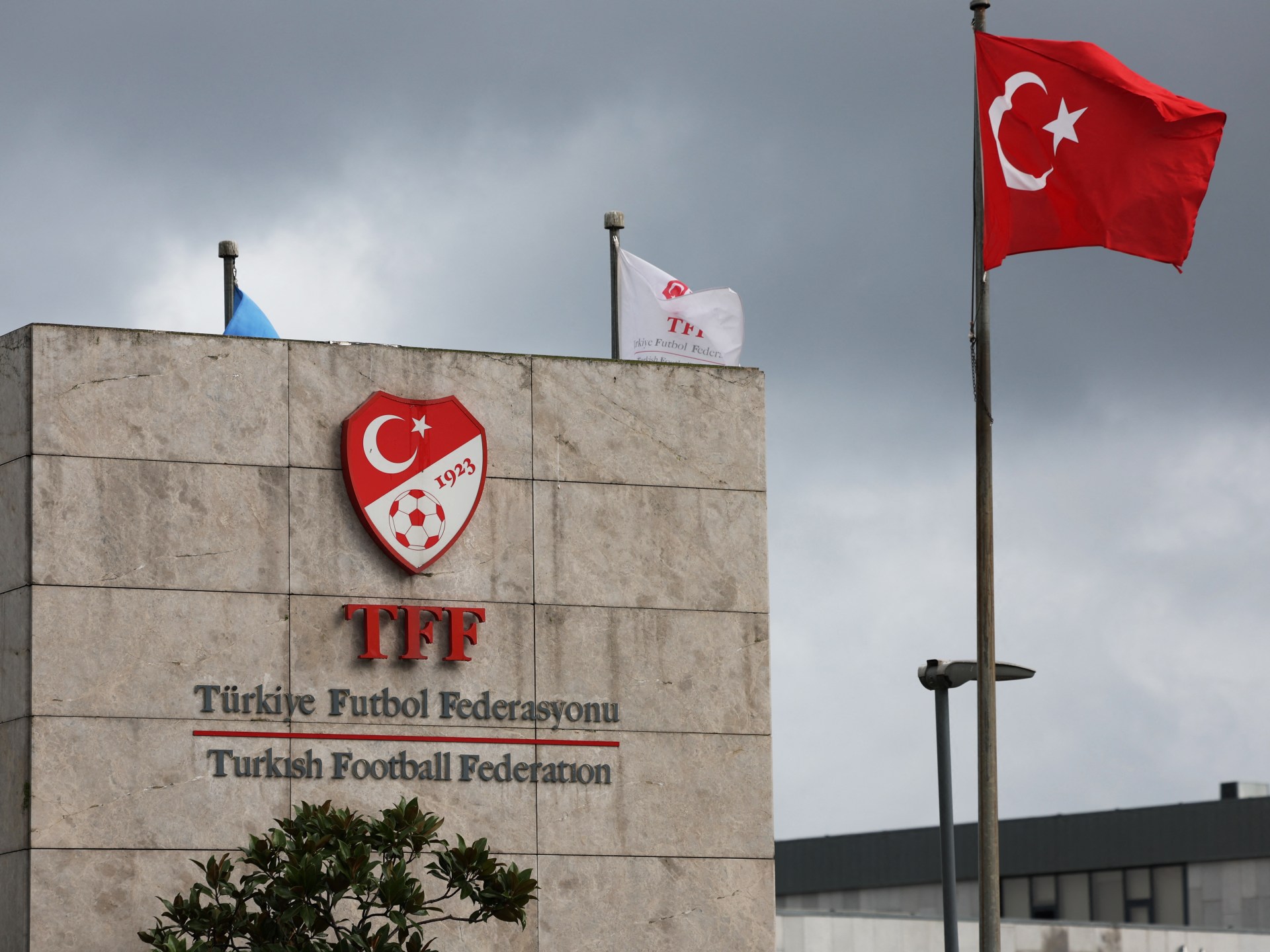
In a sweeping operation that has reverberated across domestic institutions and international observer circles alike, Turkish authorities have arrested the president and six senior members of the nation's football refereeing body. According to statements released by the Turkish justice ministry, the high-profile detentions stem from a comprehensive investigation into alleged interference with refereeing procedures, match manipulation, and administrative corruption. This unprecedented intervention by state prosecutors marks a critical juncture in the ongoing oversight of public and semi-public institutions in Turkey.
State actors and legal experts have noted that the crackdown underscores a broader state-led initiative to purge perceived institutional rot, yet critics argue it reflects the heavy-handed nature of regulatory enforcement in the country. The timeline of the investigation points to months of discreet intelligence gathering before law enforcement executed coordinated raids. The strategic stakes for Ankara are immense; as the administration attempts to project an image of unyielding adherence to the rule of law, the aggressive targeting of sports leadership raises fundamental questions regarding the separation of sports administration from state apparatuses. Diplomats and regional analysts are closely monitoring whether this judicial action will remain isolated to the sporting sector or serve as a precursor to wider administrative overhauls.
Global Trade & Economic Ripples
While the immediate theater of this crisis is the domestic sports administration, the collateral economic implications for international commerce and foreign direct investment are significant. Global markets increasingly evaluate emerging economies through the prism of institutional stability, regulatory transparency, and predictability. Abrupt interventions in prominent national bodies—even non-economic ones—contribute to a perception of heightened sovereign risk among international institutional investors.
For commodity traders, shipping conglomerates, and multinational corporations operating within the Turkish corridor, regulatory volatility directly impacts operational risk assessments. Turkey serves as a vital geopolitical and logistical bridge connecting European markets with the Middle East and Central Asia. Consequently, any sign of domestic institutional turbulence can influence currency valuations, particularly the Turkish lira, and alter borrowing costs for local enterprises dependent on international credit. Global trade partners view these developments as a barometer of the current administration's governance framework, factoring such legal unpredictability into long-term supply chain and energy transit risk models.
Related Intelligence: Cornell Sexual Assault Lawsuit Triggers Institutional and Legal Reckoning
International Reactions & Diplomatic Stances
International bodies and foreign market analysts have responded to the arrests with a mixture of cautious observation and quiet concern. While multilateral organizations such as UEFA and FIFA have yet to issue exhaustive punitive declarations, sports governance watchdogs have expressed alarm over potential government overreach into autonomous sporting bodies. European trade partners emphasize that robust, independent institutions are vital for maintaining a healthy investment climate.
Financial analysts in major European and North American capitals view the developments through a macro-economic lens. Rating agencies have repeatedly highlighted that Turkey's economic resilience depends heavily on the credibility of its regulatory and legal frameworks. The sudden detention of high-profile officials without advanced institutional consensus reinforces existing hesitance among foreign portfolio managers. Diplomatic missions in Ankara are compiling detailed assessments for their home ministries, weighing whether the judicial actions signal a strengthening of anti-corruption protocols or an intensification of political centralization.
Strategic Outlook & Future Scenarios
Looking ahead, the trajectory of this investigation will likely set a precedent for how state power intersects with institutional autonomy in Turkey. Upcoming judicial proceedings and potential indictments will serve as key indicators of the government's long-term administrative strategy. If the prosecutions proceed transparently with robust evidentiary support, it may partially appease critics demanding accountability; however, a lack of due process could further alienate foreign investors.
Geopolitical escalation points remain centered around how international sports federations respond, particularly if Ankara attempts to exert permanent control over refereeing appointments. For global commodity traders and financial institutions, the overarching lesson is clear: navigating the Turkish market requires continuous risk reassessment in an environment where state intervention can materialize swiftly across unexpected sectors. Future diplomatic summits and upcoming economic dialogues between Ankara and its Western partners will undoubtedly feature discussions regarding institutional reform and the predictability of the country's legal landscape.
Join Our Official WhatsApp Channel
Receive live commodity alerts, policy changes, and commercial intelligence directly on WhatsApp.