
European Mega-Sporting Events Face Rising Security Pressures and Geopolitical Headwinds
High-stakes continental sports fixtures underscore the complex nexus of security architecture, state intelligence cooperation, and multi-billion-dollar commercial interests across major European metropolitan economies.
Geopolitical & Core Developments
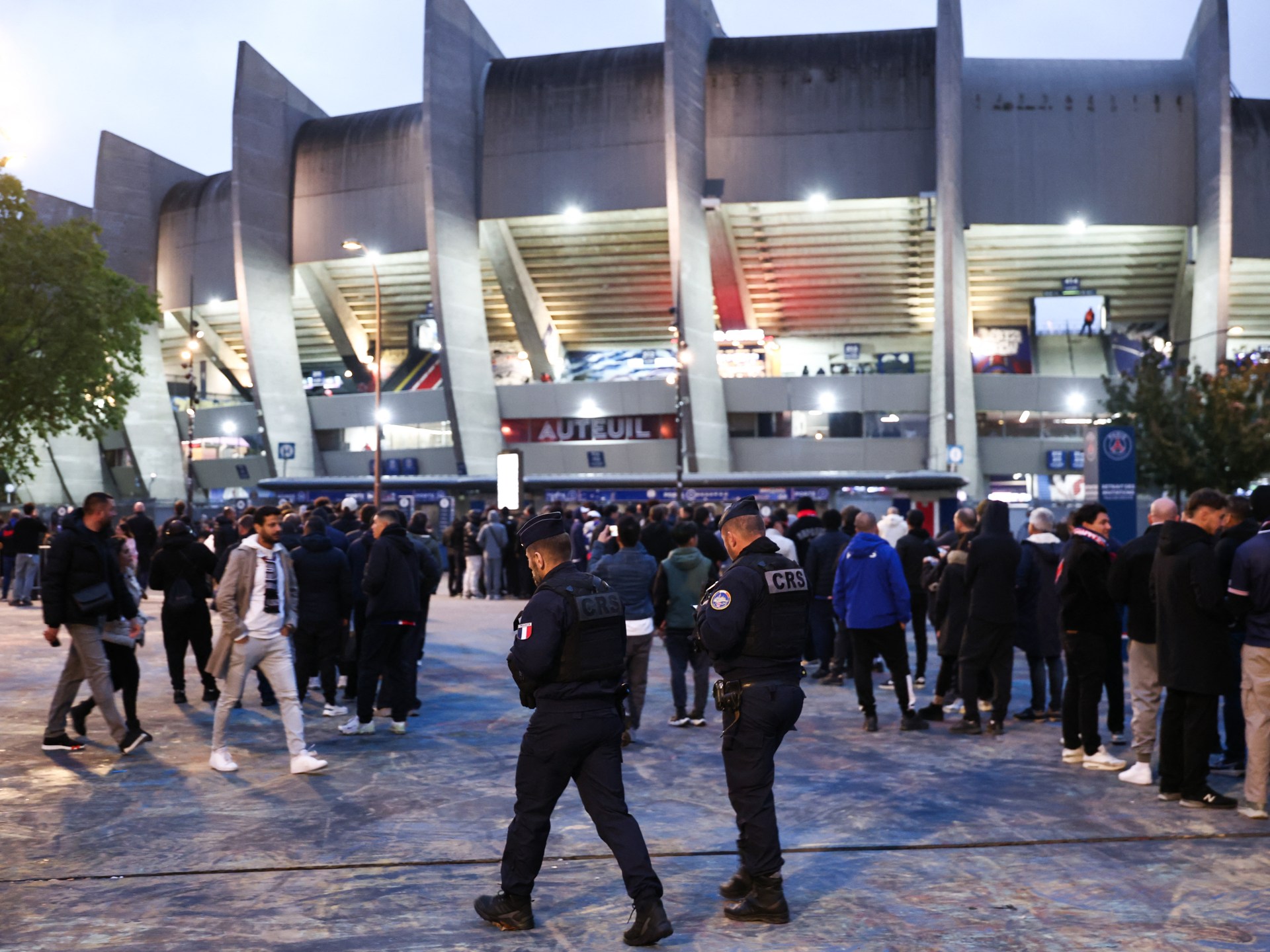
The high-stakes UEFA Champions League fixture featuring Paris Saint-Germain and FC Barcelona in Paris highlights the structural intersection between elite transnational athletics, sovereign security architectures, and continental diplomacy. Across Western Europe, municipal authorities and national intelligence agencies have intensified monitoring frameworks surrounding premier public gatherings. State actors, particularly the French Ministry of the Interior and Spanish law enforcement, have mobilized extensive logistical machinery to secure critical urban transit hubs, stadium perimeters, and foreign dignitary convoys.
This operational mobilization occurs against a complex geopolitical backdrop characterized by elevated national threat assessments and shifting pan-European counter-terrorism protocols. Sporting mega-events historically operate as barometers for societal stability and state competence in civil management. With tens of thousands of international travelers traversing European air and rail networks, the staging of high-visibility sporting encounters tests cross-border interagency intelligence sharing, drone defense systems, and metropolitan police resource allocation in real-time.
Global Trade & Economic Ripples
Beyond field tactics, elite European football serves as an integral pillar of global entertainment capital, international broadcasting markets, and metropolitan commerce. The fixture injects substantial liquidity into Parisian commercial ecosystems, including aviation hubs, premium hospitality sectors, and secondary municipal retail. Broadcasting syndications distributed across the Middle East, the Americas, and Asia represent hundreds of millions of dollars in rights valuations, underpinning sustained advertising expenditures by multinational conglomerates.
Furthermore, the capital flows animating top-tier European football reflect broader international financial linkages. Sovereign wealth entities, private equity firms, and global corporate sponsors channel billions into commercial rights and venue infrastructure, binding Western sports governance to broader international financial markets. Any operational disruption or heightened security friction carries immediate ramifications for international tourism forecasts, sports-related financial equities, and municipal corporate bond ratings associated with infrastructure funding.
Related Intelligence: Russia Backs Iran Amid Rising Middle East Tensions and Energy Windfalls
International Reactions & Diplomatic Stances
Security and municipal authorities across France and Spain maintain close liaison to manage transnational fan movements and enforce safety corridors. French interior authorities confirmed that elite tactical units and specialized surveillance assets remain deployed across critical nodes of the capital to guarantee public safety without interrupting vital commercial transport flows.
European policing coordination bodies and multilateral security analysts note that high-profile fixtures in key European capitals serve as critical operational benchmarks. Civil contingencies agencies emphasize that sustained stability during high-density international events bolsters investor confidence in urban safety frameworks. Market observers and institutional analysts note that major sporting institutions are increasingly categorized as systemic urban assets requiring multi-layered state risk underwriting.
Strategic Outlook & Future Scenarios
Looking forward, the execution of elite sporting events across the European continent will remain dependent on integrated intelligence sharing and digital border controls. As the European Union strengthens external border monitoring and coordinates counter-threat architectures, sports federations face escalating operating costs related to insurance premiums, biometric venue security, and private surveillance infrastructure.
In future quarters, state regulators and sports bodies will likely codify unified protocols governing high-risk international assemblies. Should geopolitical instability escalate in neighboring theaters, Western capitals may see further integration of military auxiliary assets into domestic crowd management. For multinational corporate sponsors, media rights holders, and host metropolitan economies, maintaining smooth operational continuities remains essential to protect multi-year international asset valuations.
Join Our Official WhatsApp Channel
Receive live commodity alerts, policy changes, and commercial intelligence directly on WhatsApp.