
Rising Adult Camp Industry Signals Global Labor Productivity Crisis
Escalating rates of chronic professional burnout and post-pandemic isolation are fueling an international boom in communal adult camps, exposing underlying vulnerabilities in global labor productivity.
Geopolitical & Core Developments
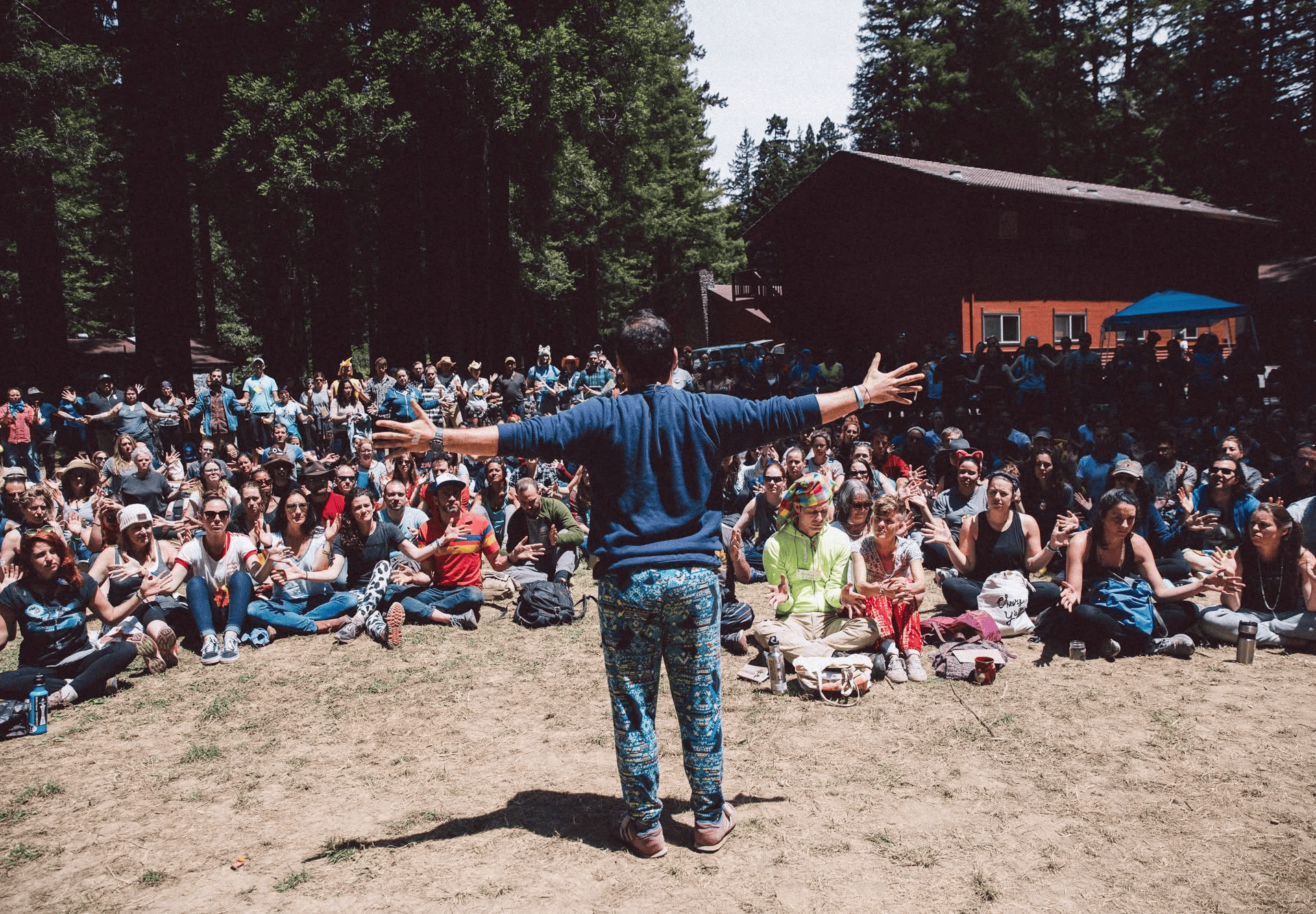
A quiet structural realignment is emerging within advanced industrialized economies as widespread professional exhaustion and demographic shifts drive millions of working-age adults toward communal retreat models. Originally concentrated in North America and Western Europe, the phenomenon of adults returning to summer camps, digital detox compounds, and collective retreats has accelerated across the OECD economies, Japan, and urban China. What began as a niche leisure trend has evolved into an institutional response to what public health authorities term an international loneliness epidemic.
Sustained geopolitical uncertainties, high inflation, and the post-pandemic erosion of social fabric have intensified domestic pressure on middle-tier professionals. Governments and state-level public health institutes are increasingly viewing social isolation not merely as a localized public health challenge, but as an institutional drag on domestic stability and demographic dynamism. The migration of workers toward temporary collective living arrangements mirrors historical periods of societal reconfiguration, where hyper-digitalization and continuous remote connectivity disrupt traditional social mechanisms, prompting individuals to seek low-tech, structured isolation.
Global Trade & Economic Ripples
The economic implications of workforce burnout extend directly into global services trade, labor productivity indices, and the commercial hospitality sector. The wellness and retreats industry has emerged as a high-margin sector, altering seasonal commercial travel flows and driving capital deployment into rural infrastructure across North America, Southern Europe, and Southeast Asia. Institutional real estate investors are increasingly allocating capital away from traditional business conference venues toward specialized retreat facilities tailored to corporate recovery and peer-to-peer disconnection.
More broadly, the economic cost of white-collar burnout represents a systemic headwind for international commerce. The International Labour Organization (ILO) and global macroeconomic forecasters estimate that depression, anxiety, and associated productivity loss cost the global economy over one trillion dollars annually. This friction manifests in lowered output across innovation hubs, increased corporate turnover, and rising healthcare liabilities, which in turn place upward pressure on corporate operational expenditures. As corporate entities subsidize or mandate employee attendance at these structured communal camps, corporate travel budgets are being redirected from global urban trade hubs to decentralized rural wellness ecosystems.
Related Intelligence: Pacific Storm Trudy Threatens Mexican Infrastructure and Agricultural Trade Hubs
International Reactions & Diplomatic Stances
Multilateral bodies and sovereign governments have begun addressing the underlying labor environment that fosters this demand. The World Health Organization (WHO) and the United Nations have formally categorized burnout as an occupational phenomenon rather than an isolated personal health condition, calling for structural workplace reforms and enhanced social safety nets across member states.
In Europe, policymakers in France, Germany, and Spain have leveraged existing 'right-to-disconnect' statutes to penalize after-hours digital communication, seeking to mitigate the baseline conditions driving workers out of cities and into recovery retreats. Conversely, in the United States and the United Kingdom, market-led solutions predominate, with analysts from prominent financial consultancies warning that while specialized camps provide temporary individual relief, they fail to resolve the core structural issues plaguing productivity, labor retention, and occupational welfare.
Strategic Outlook & Future Scenarios
The commercial trajectory of adult camps and collective retreats indicates continued double-digit annualized growth through the remainder of the decade. As artificial intelligence integration and automated workflows further decouple white-collar labor from conventional communal office spaces, demands for synthetic community environments and intentional disconnection are projected to expand internationally, notably in hyper-urbanized Asian economies such as South Korea and Singapore.
Moving forward, enterprise-level adoption will serve as a primary catalyst. Observers anticipate that major multinationals will increasingly incorporate specialized retreat infrastructure directly into their standard employment packages to combat high executive attrition. However, until comprehensive regulatory frameworks and workplace standards establish enforceable limits on remote workload expectations, commercialized adult retreats will remain an expensive stopgap for a deeply fragmented global labor paradigm.
Join Our Official WhatsApp Channel
Receive live commodity alerts, policy changes, and commercial intelligence directly on WhatsApp.