
ECP Ready for Punjab LG Polls Cites Hurdles in KP and Islamabad
The Election Commission of Pakistan is prepared for Punjab local body polls but faces administrative and legal roadblocks in Islamabad and Khyber Pakhtunkhwa.
The Core Development
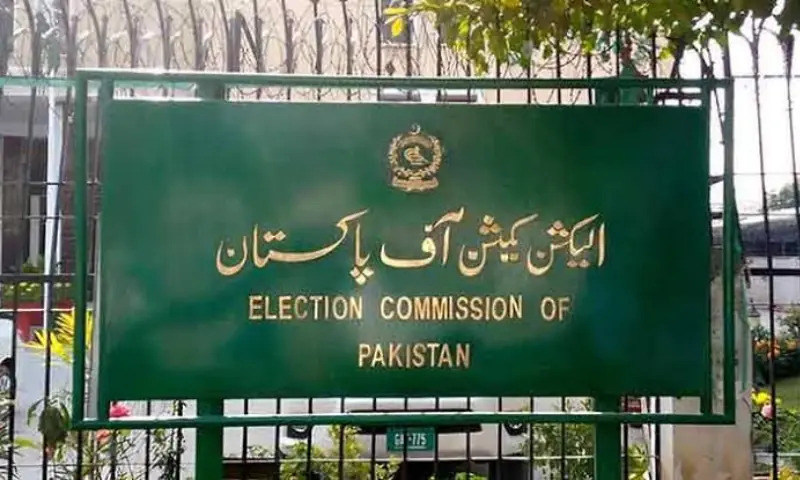
The Election Commission of Pakistan (ECP) has announced its operational readiness to conduct local government (LG) elections across Punjab, marking a potential turning point for grassroots democracy in the country's most populous province. However, this development is tempered by persistent legal and administrative deadlocks stalling electoral exercises in Islamabad, Khyber Pakhtunkhwa (KP), Quetta, and various cantonment boards nationwide.
During a high-level special session convened in Islamabad, Chief Election Commissioner (CEC) Sikandar Sultan Raja reviewed comprehensive progress reports submitted by provincial election commissioners and administrative wings. While the ECP confirmed that a provisional draft election schedule has already been dispatched to the Punjab provincial government, progress in other jurisdictions remains severely hampered. The electoral watchdog has formally requested the Punjab administration to expedite the provision of lists for District Returning Officers (DROs), Returning Officers (ROs), and Assistant Returning Officers (AROs) to facilitate immediate administrative deployments.
Conversely, the situation in Islamabad and Khyber Pakhtunkhwa presents a complex web of legislative ambiguities, delayed delimitation notifications, and pending litigation in superior courts. The ECP reiterated that holding transparent and credible polls requires absolute clarity on municipal boundaries and statutory backing from respective provincial assemblies, elements currently missing in KP and the federal capital.
Commercial & Economic Implications
For the domestic business landscape, particularly micro-retailers, wholesale distributors, and urban commercial hubs across Pakistan, the prolonged absence of elected local governments carries profound economic costs. Municipal governance forms the foundational bedrock of commercial regulation, local taxation, and infrastructural maintenance in commercial markets. Without empowered local representatives, commercial districts frequently face systemic neglect regarding waste management, sanitation, street lighting, and traffic management—factors that directly influence daily retail turnover and consumer footfall.
Furthermore, municipal stagnation directly impacts public sector development spending at the grass-roots level. Local government representatives traditionally allocate funds for localized infrastructure projects, drainage systems, and market access roads. The current administrative vacuum, governed largely by unelected bureaucrats and administrators, often leads to bureaucratic red tape, delayed commercial licensing, and opaque fee collection structures that disproportionately burden small and medium enterprises (SMEs). A functioning local government apparatus is vital for streamlining municipal permits, resolving trade disputes, and ensuring predictable regulatory enforcement for wholesale and retail markets.
Related Intelligence: Khyber Pakhtunkhwa Non-Cooperation Threatens National Security and Economic Stability
Stakeholder Perspectives & Market Reactions
Trader associations, chambers of commerce, and legal experts have expressed growing frustration over the continuous postponement of local elections across Pakistan. Business leaders argue that bureaucratic management of municipal affairs stifles commercial agility and prevents timely intervention in urban market planning. Representatives from major trade bodies in Punjab and Islamabad have urged the federal and provincial governments to resolve administrative disputes with the ECP immediately, emphasizing that economic stability at the national level must be supported by robust democratic governance at the municipal level.
Legal analysts point out that repeated delays in conducting local government elections violate constitutional mandates that require continuous devolution of political, administrative, and financial power to local tiers of government. Meanwhile, government officials maintain that ongoing legal amendments regarding local government acts and boundary delimitations necessitate careful review to prevent post-election litigation that could paralyze municipal administration.
Forward Outlook & Key Watchpoints
As the ECP awaits formal responses from the Punjab government regarding election officer nominations, all eyes remain on the upcoming administrative deadlines. Stakeholders will closely monitor whether the Punjab administration complies with the ECP schedule or if further legal challenges emerge. In Islamabad and Khyber Pakhtunkhwa, resolution depends heavily on expedited judicial verdicts and legislative cooperation between provincial legislators and the electoral commission. For Kalyar Traders and the broader business community, the speed at which these administrative hurdles are cleared will determine the trajectory of municipal reform and local economic governance for the remainder of the fiscal year.
Join Our Official WhatsApp Channel
Receive live commodity alerts, policy changes, and commercial intelligence directly on WhatsApp.