
Senior PTI Leadership Detained at Undisclosed Location Amid Deepening Political Deadlock
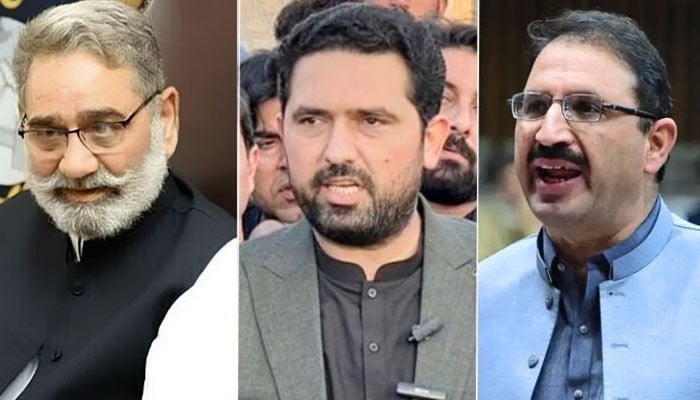
Key Pakistan Tehreek-e-Insaf leaders, including Sohail Afridi, are being detained at an undisclosed facility, escalating political volatility and compounding supply chain uncertainties across urban trade centers.
The Core Development
In an escalating clampdown on opposition leadership, senior figures of the Pakistan Tehreek-e-Insaf (PTI), including key organizer Sohail Afridi, are reportedly being held together at an undisclosed location following targeted law enforcement operations. Legal representatives and party spokespersons confirmed the collective detention, raising concerns over due process, legal access, and the constitutional transparency of the arrests. The detentions follow a series of renewed political mobilizations, planned demonstrations, and escalating rhetoric between federal authorities and the opposition.
While law enforcement agencies have cited maintenance of public order and preemptive measures under preventive detention statutes, the lack of official disclosure regarding the specific facility has triggered sharp pushback from civil rights advocates. The operational strategy reflects a broader administrative push to curtail coordinated nationwide protests, isolating senior strategists from operational ground networks ahead of scheduled public rallies in Islamabad, Rawalpindi, and key urban centers across Khyber Pakhtunkhwa and Punjab.
Commercial & Economic Implications
The ongoing political friction arrives at an acutely sensitive juncture for Pakistan's macroeconomy. Sustained administrative crackdowns, frequent mobile internet disruptions, and arbitrary road blockades severely impair domestic supply chains, wholesale movement, and inner-city retail distribution. In major trading corridors such as Lahore, Karachi, and Peshawar, wholesale transport fleets face operational delays, driving up localized freight costs and inventory holding periods.
For small and medium enterprises (SMEs) and high-volume commodity distributors, transport bottlenecks directly compromise delivery cycles. Prolonged political turbulence also exacerbates capital market hesitation, dampening domestic equity trading and delaying private sector investment decisions. With the country operating under strict fiscal discipline mandates tied to international credit facilities, institutional investors view political friction as a direct headwind to policy continuity, structural tax reforms, and inflation stabilization.
Related Intelligence: Sanaullah Claims Murad Saeed Operating Khyber Pakhtunkhwa Governance From Afghanistan
Stakeholder Perspectives & Market Reactions
Commercial chambers, trader associations, and transport syndicates have expressed rising apprehension regarding the operational fallout of renewed political confrontation. Representatives from retail and wholesale federations note that localized lockdowns and security checkpoints consistently depress foot traffic in primary commercial centers, causing immediate revenue contractions during critical sales cycles.
Legal bodies and bar councils have underscored constitutional vulnerabilities, demanding that authorities formally present detainees before designated judicial forums in accordance with statutory requirements. Conversely, government representatives maintain that administrative actions are strictly geared toward averting public disorder, protecting critical public infrastructure, and preventing unauthorized disruptions to daily commercial life.
Forward Outlook & Key Watchpoints
The immediate trajectory will hinge on judicial interventions and whether legal teams secure habeas corpus relief or formal remand hearings in open court. The detention of operational leaders like Afridi creates critical friction points that could either suppress opposition street actions or catalyze decentralized, unpredictable protests across major logistical transit arteries.
Market participants and commercial operators must monitor highway transit conditions, municipal security protocols, and provincial border checkposts over the coming days. Sustained unrest would amplify pressure on transport rates and retail supplies, making judicial processing of these detentions a pivotal benchmark for institutional stability and macroeconomic continuity.
Join Our Official WhatsApp Channel
Receive live commodity alerts, policy changes, and commercial intelligence directly on WhatsApp.