
Senegal Grassroots Mobilization Highlights West African Educational Infrastructure Challenges
Community volunteers in Dakar unite to restore dilapidated schools, exposing wider regional infrastructure deficits and the growing reliance on grassroots civil society actions ahead of the academic term.
Geopolitical & Core Developments
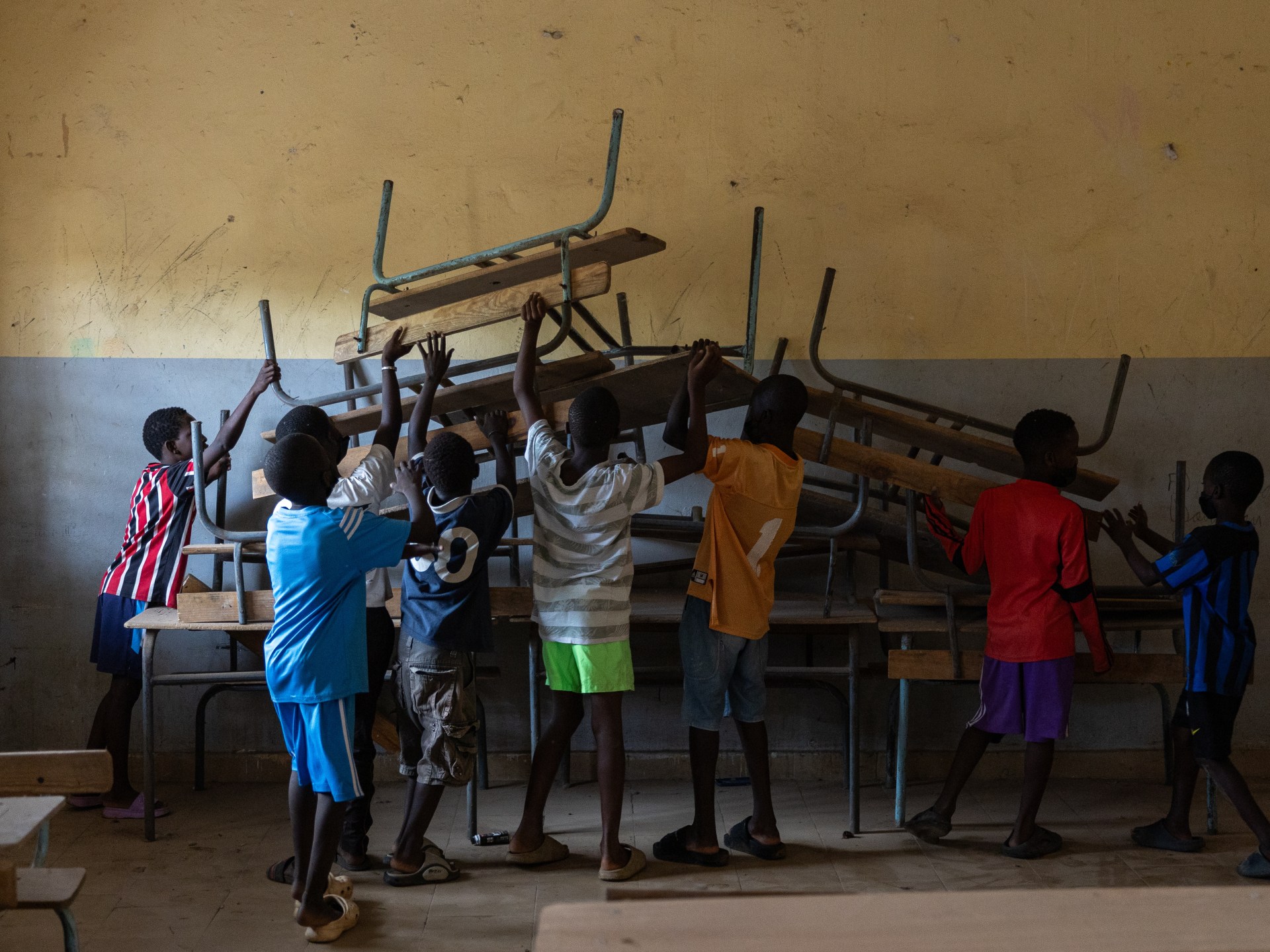
In the heart of Senegal's bustling capital, Dakar, a profound grassroots mobilization has taken shape as local volunteers, educators, and students converge to rehabilitate dilapidated school infrastructure ahead of the new academic year. Amid mounting pressures on municipal budgets, civil society groups have stepped in to clear debris, repaint faded classrooms, and repair structural damages in educational facilities that have suffered from years of underinvestment. This community-led intervention reflects a broader sociopolitical dynamic across West Africa, where state apparatuses frequently struggle to maintain basic public service delivery in the face of competing fiscal demands, security expenditures, and macroeconomic volatility. The mobilization in Dakar is not merely a localized maintenance effort; it serves as a powerful indicator of civic resilience and communal solidarity. As urban populations expand rapidly across the region, municipal authorities face escalating challenges in matching infrastructure development with demographic growth. State actors and regional bodies are increasingly pressed to integrate these spontaneous civil society initiatives into formal educational planning and resource allocation frameworks, ensuring that sustainable development goals are met through collaborative governance models rather than reliance on ad-hoc volunteerism.
Global Trade & Economic Ripples
While localized community clean-up drives directly impact domestic social welfare rather than international commodity exchanges, the underlying economic conditions driving such infrastructural deficits carry significant implications for regional commerce and labor markets. Public underinvestment in education directly correlates with long-term human capital development, which in turn influences productivity, industrial modernization, and foreign direct investment (FDI) inflows into West Africa's emerging economies. Senegal's strategic position as a stable democratic hub and a growing energy producer—particularly with upcoming offshore natural gas and oil projects—demands a robustly educated workforce capable of engaging with complex industrial supply chains. Persistent bottlenecks in public infrastructure, including educational facilities, risk constraining productivity growth and limiting the localized economic multipliers associated with major resource extraction ventures. Furthermore, international development finance institutions and multilateral lenders closely monitor domestic budgetary allocations toward social sectors like education and health. When local communities must absorb the costs of basic infrastructure maintenance, it highlights systemic fiscal constraints that can influence sovereign credit ratings, debt sustainability assessments, and the allocation of international development assistance across the broader Francophone West African economic zone.
Related Intelligence: US Arrests Spotlight Global Herbal Supplement Supply Chains and Regulatory Loopholes
International Reactions & Diplomatic Stances
International bodies, including UNESCO and various non-governmental human rights organizations, have increasingly emphasized the critical nexus between educational infrastructure and sustainable regional stability. While global multilateral institutions routinely disburse programmatic funding for educational reform across sub-Saharan Africa, analysts note that bureaucratic bottlenecks and domestic procurement challenges often delay the tangible delivery of resources to urban and rural classrooms alike. Consequently, international observers have praised the adaptability and agency demonstrated by Dakar's local volunteers, viewing such community-driven resilience as a vital buffer against institutional inertia. At the same time, diplomatic missions and international aid agencies operating in Senegal continue to advocate for structural policy reforms that would institutionalize public-private partnerships, thereby reducing the burden on impoverished local communities. Diplomatic dialogue increasingly centers on the premise that long-term political stability and economic diversification in the Sahel and coastal West Africa are fundamentally contingent upon equitable access to safe, well-resourced learning environments for the burgeoning youth demographic.
Strategic Outlook & Future Scenarios
Looking ahead, the trajectory of Senegal's educational infrastructure will depend heavily on the newly elected government's fiscal policies and its ability to reallocate national revenues derived from emerging hydrocarbon sectors toward vital public services. As upcoming regional summits and economic policy forums address sustainable development goals, policymakers face the urgent task of formalizing support for grassroots initiatives while scaling up central government capital expenditures. Failure to systematically address infrastructural decay in schools risks exacerbating educational disparities between urban centers and marginalized rural areas, potentially fueling socio-economic discontent among the youth demographic. Conversely, successful integration of community-led rehabilitation efforts with robust state-led financing could establish a progressive blueprint for public service delivery across West Africa. Strategic investors and international partners will be watching closely to see whether Senegal can translate its macroeconomic growth potential into resilient, high-quality human capital development that secures long-term geopolitical and economic stability.
Join Our Official WhatsApp Channel
Receive live commodity alerts, policy changes, and commercial intelligence directly on WhatsApp.